MINNEAPOLIS (AP) — Saturday morning started frigid and quiet on Minneapolis’ “Eat Street,” a stretch of road south of downtown famous for its small coffee shops and restaurants ranging from New American to Vietnamese.
Within five hours, seemingly everything had changed. A protester was dead. Videos were circulating showing multiple federal agents on top of the man and gunshots being fired. Federal and local officials again were angrily divided over who was to blame.
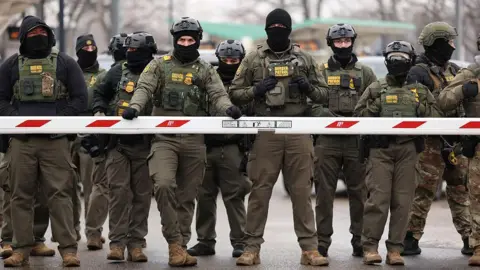
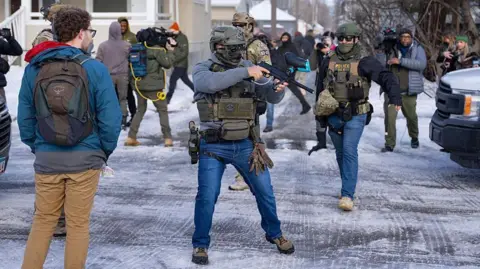
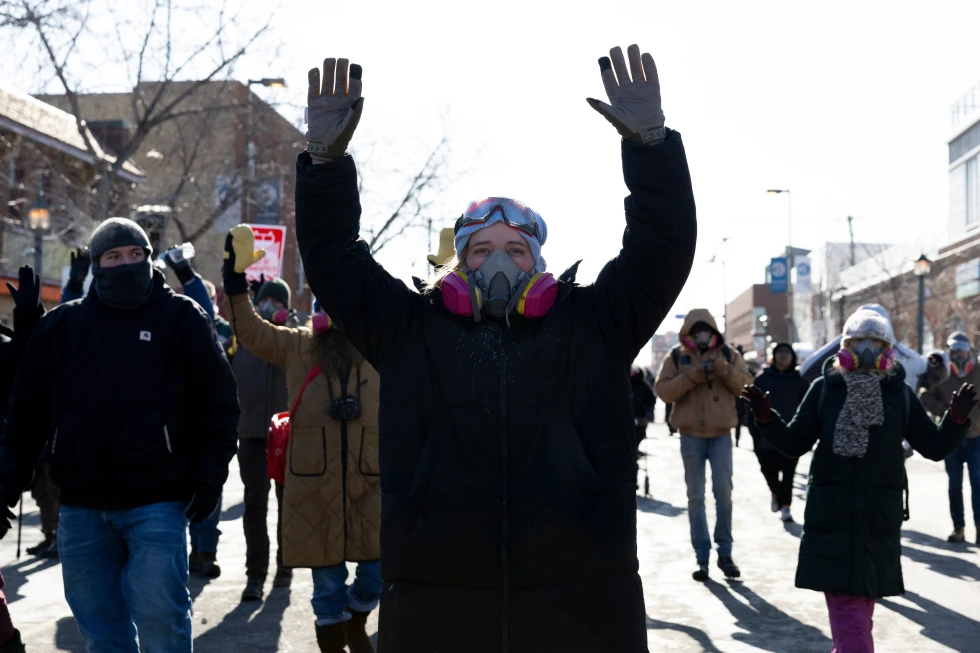
And Eat Street was the scene of a series of clashes. Federal officers and local and state police pulled back, and protesters took over the area.
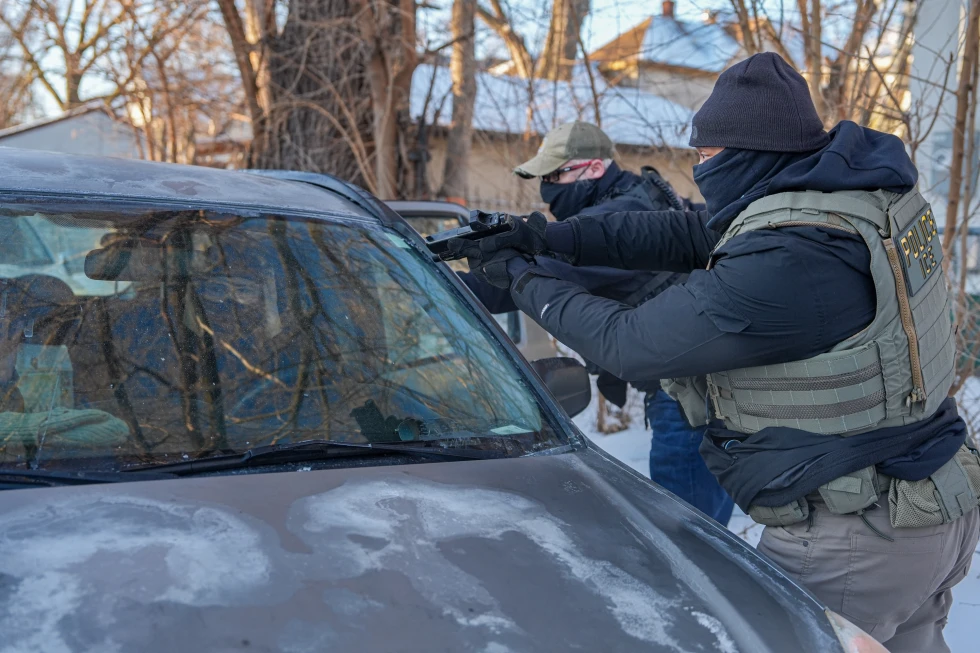
It all started around 9 a.m. when a federal immigration officer shot and killed a man there, about 1.5 miles from the scene of a previous fatal shooting of a local woman by an Immigration and Customs Enforcement officer that sparked outrage and daily protests.
As anger boiled over just an hour later, protesters swelled in numbers, confronting federal agents and chanting in outrage over the growing tensions surrounding immigration enforcement in the city.
They had been covering protests for days, but the atmosphere on Saturday felt more urgent. The crowd surged into hundreds, screaming insults as tear gas permeated the air, with clashes involving flashbang grenades and pepper balls.
Five hours after the shooting, enforcement officers began a retreat while protesters erected makeshift memorials for Alex Pretti, laying flowers and lighting candles in his honor.
As the National Guard mobilized to help keep the area secure, tensions remained high. The Minneapolis police Chief emphasized a commitment to allow “lawful, peaceful demonstrations” while trying to prevent traffic interference in the vicinity.
In the midst of the unrest, businesses closed their doors, some offering refuge to protesters by providing warmth and refreshments as they faced the biting cold.
As night fell, a somber crowd gathered at the memorial, reflecting on the escalating turmoil and uncertainty facing their community.