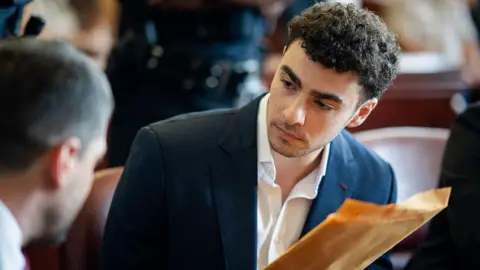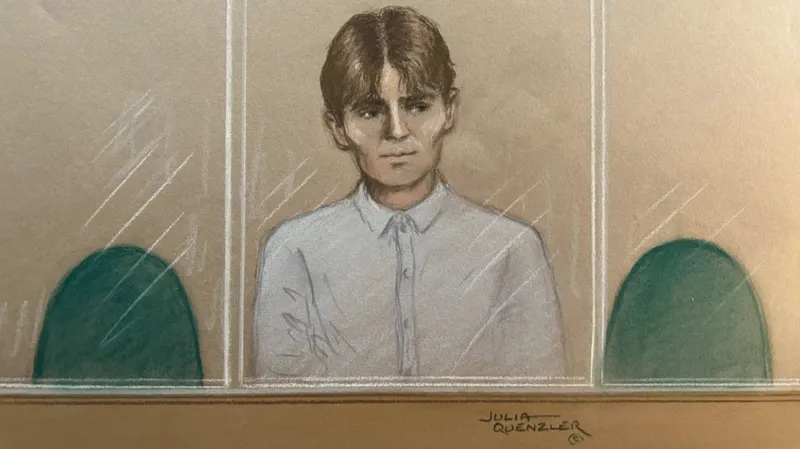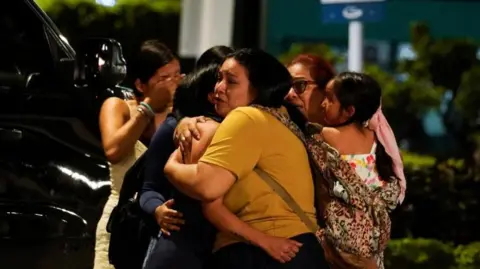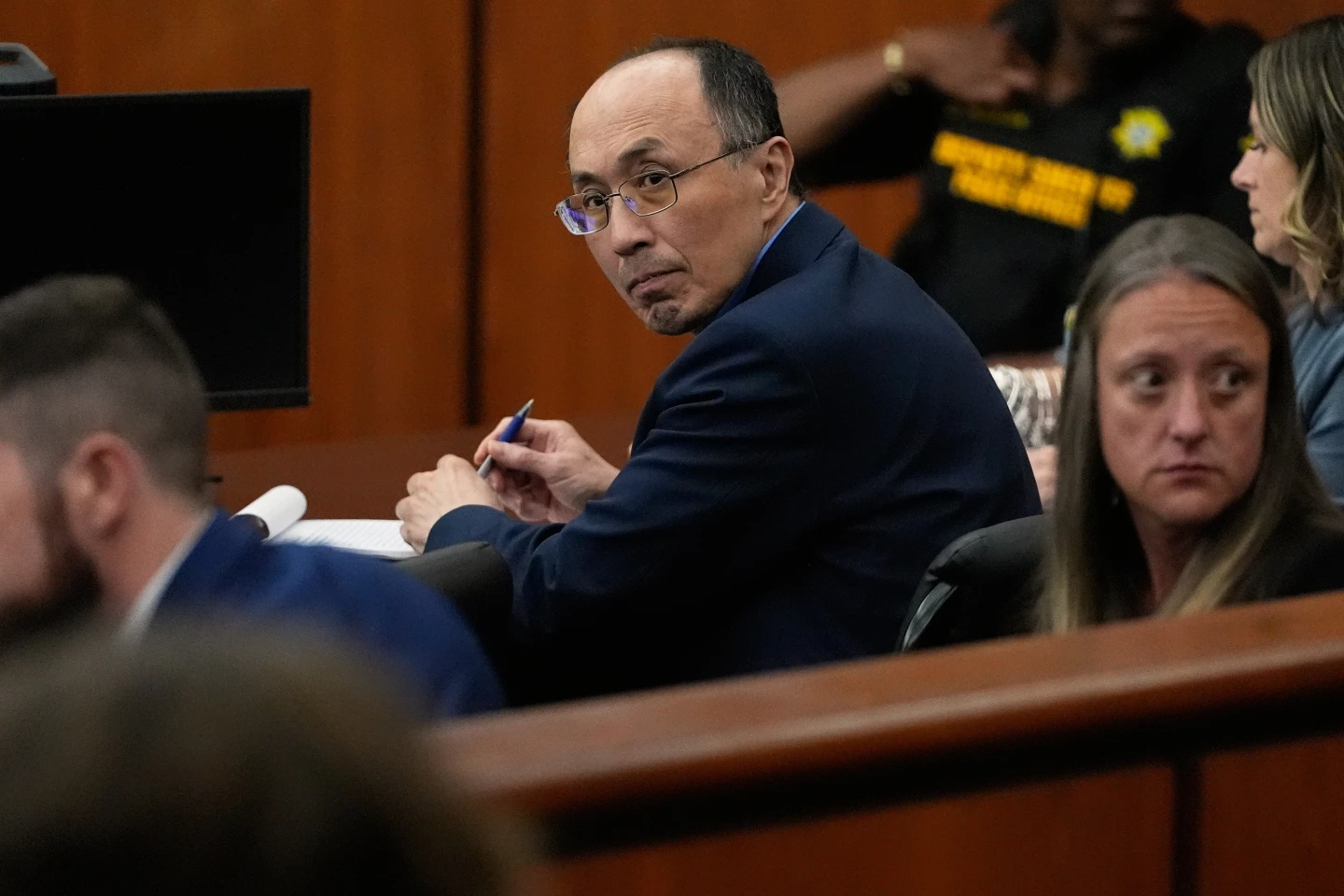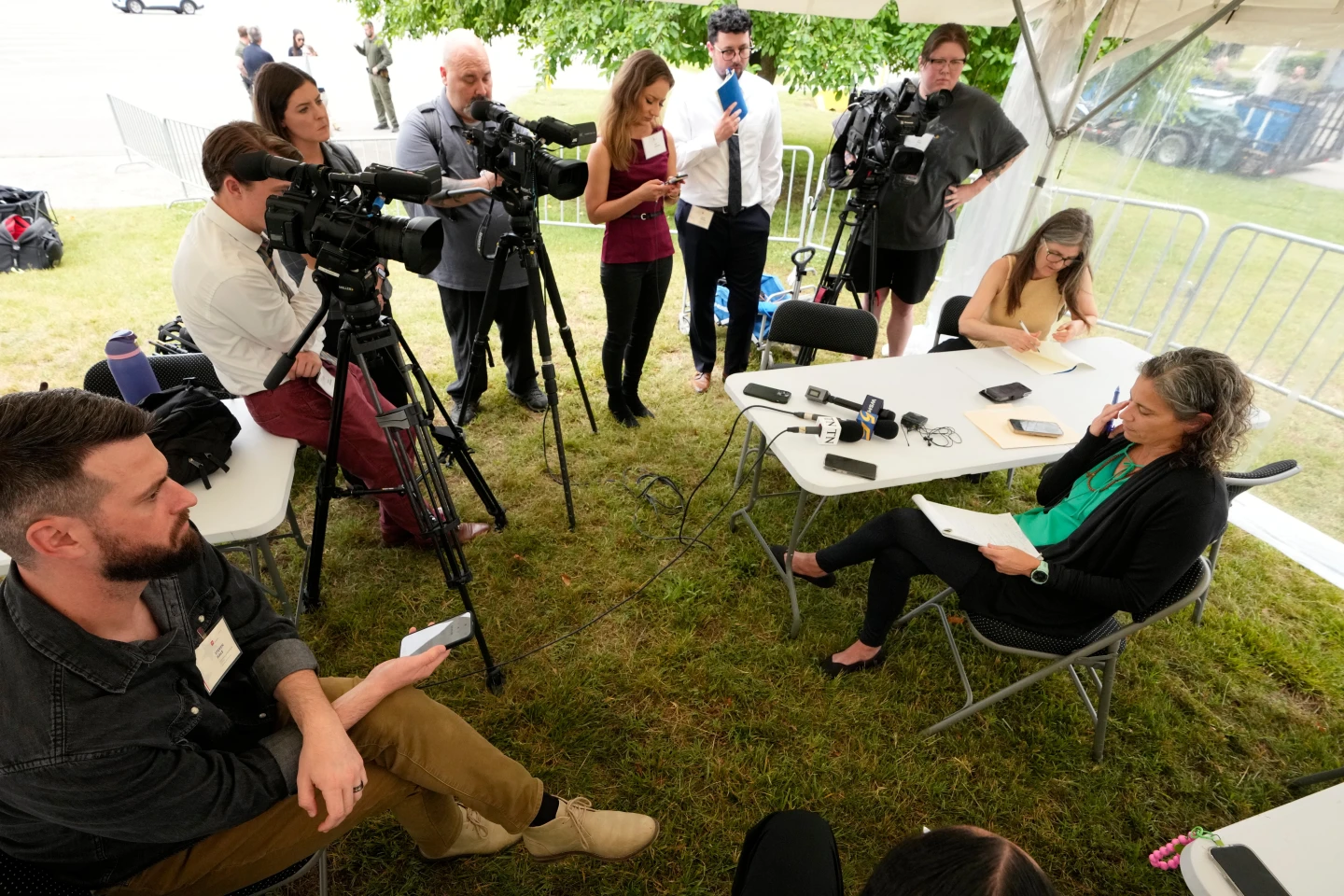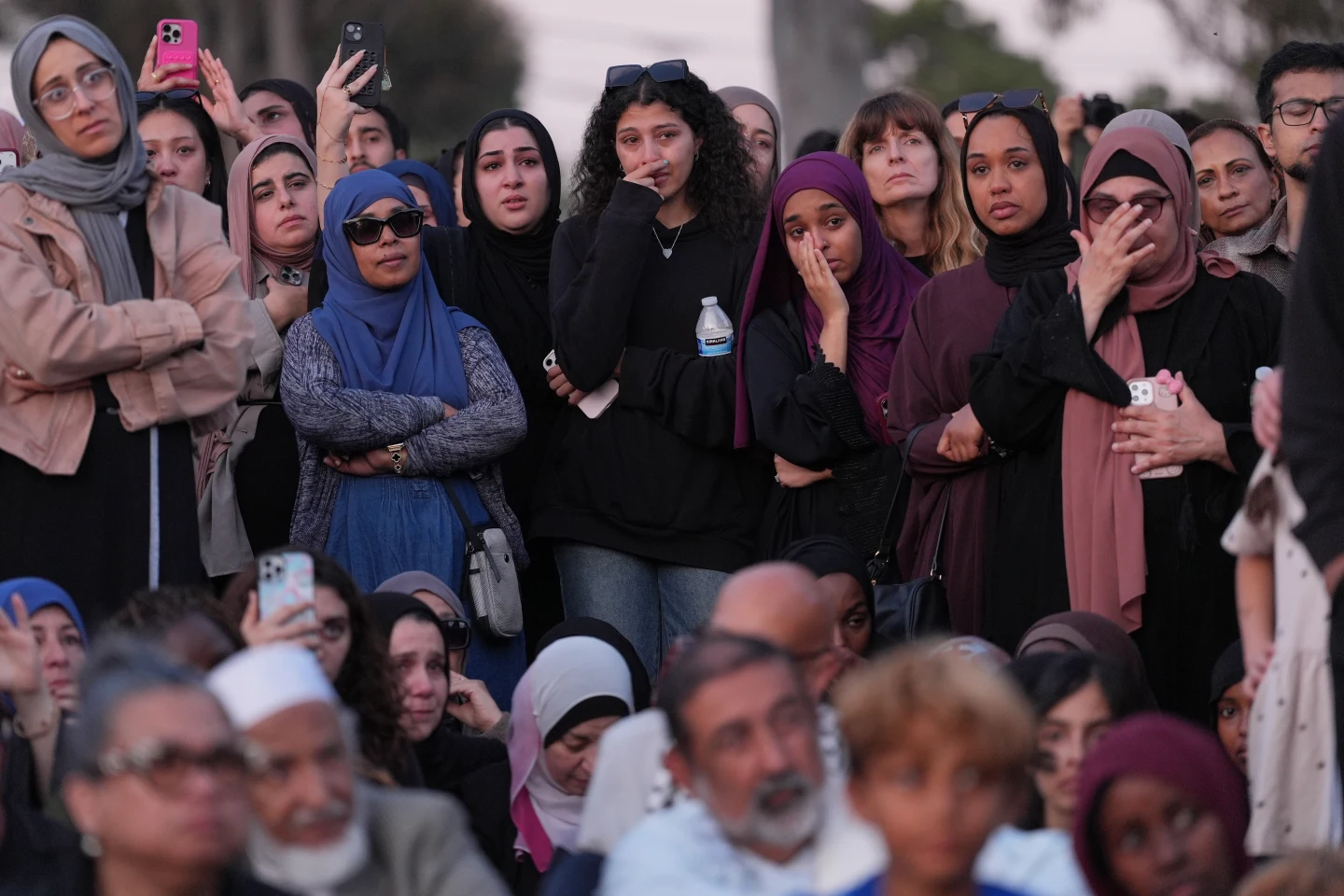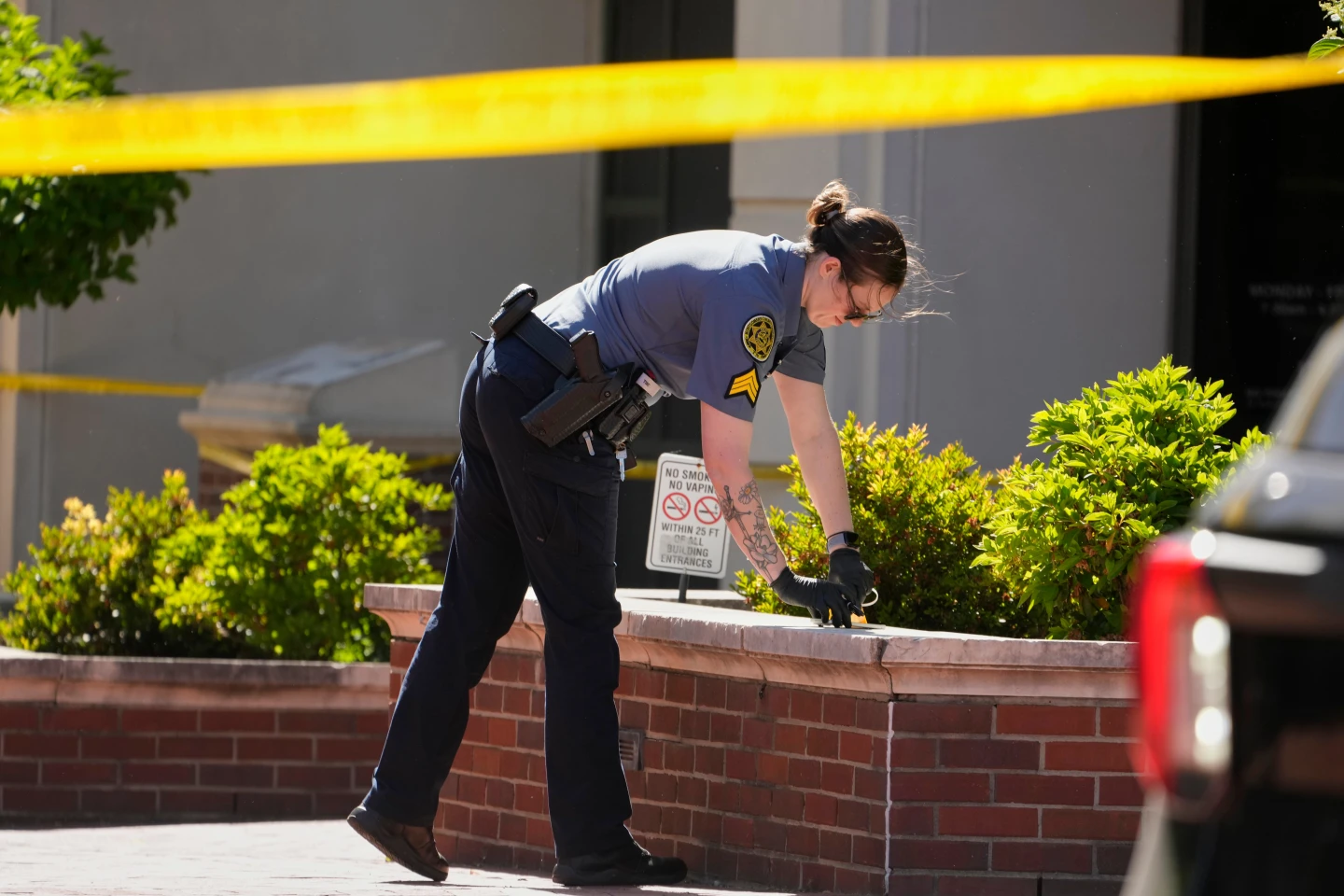
Graphic videos showing the killing of Charlie Kirk, a conservative activist, during an event at a college in Utah have gone viral, garnering millions of views. Now, defense attorneys for the accused shooter, Tyler Robinson, are asking a state judge to prevent the display of these videos in the courtroom at an upcoming hearing. They further seek to exclude media from the courtroom, arguing that major news outlets present a biased narrative that could compromise the fairness of the trial.
Both the prosecutors and attorneys representing the interests of Kirk’s widow are advocating for the maintenance of a transparent judicial process. Erika Kirk's attorney filed a statement underscoring that without transparency, the public is likely to descend into speculation and conspiracy theories, further diminishing trust in the legal system.
Legal experts highlight that concerns from the defense team regarding media influence on jurors are valid. They suggest that pretrial publicity can lead jurors to form biased perceptions that impact their judgment of the evidence presented in court.
The prosecution aims to pursue the death penalty for Robinson, who faces charges of aggravated murder related to the incident in which Kirk was shot at an event that attracted around 3,000 attendees. Prosecutors assert that graphic videos of the attack can demonstrate that the crime was particularly heinous, an aggravating factor necessary for capital punishment considerations.
Moreover, the defense alleges bias not only from the media but also claims a local prosecutor has a conflict of interest arising from familial connections to the rally where Kirk was shot. As the case progresses, legal strategies around media coverage and trial transparency continue to evolve, spotlighting the intense intersection of law, public opinion, and media involvement.