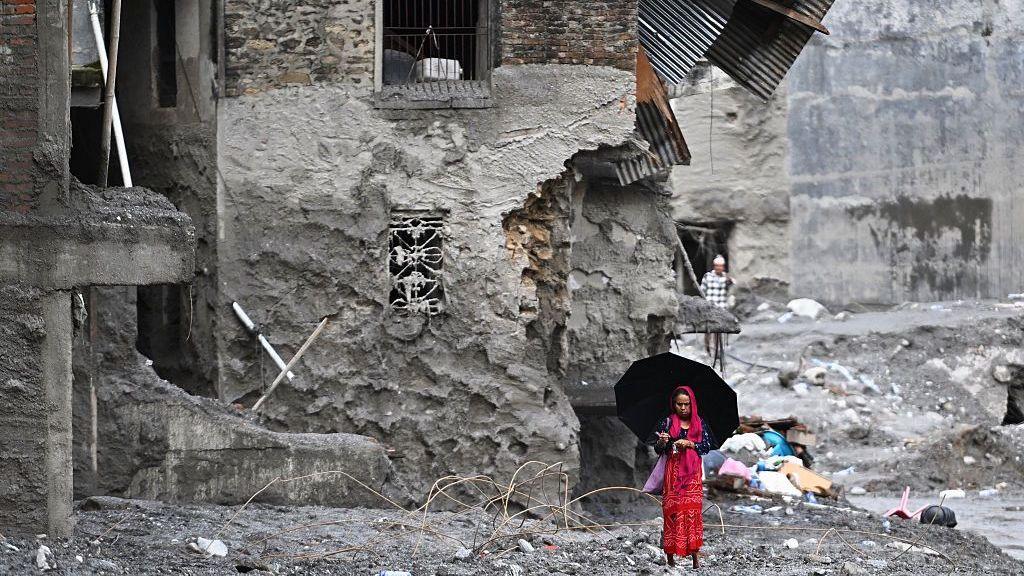
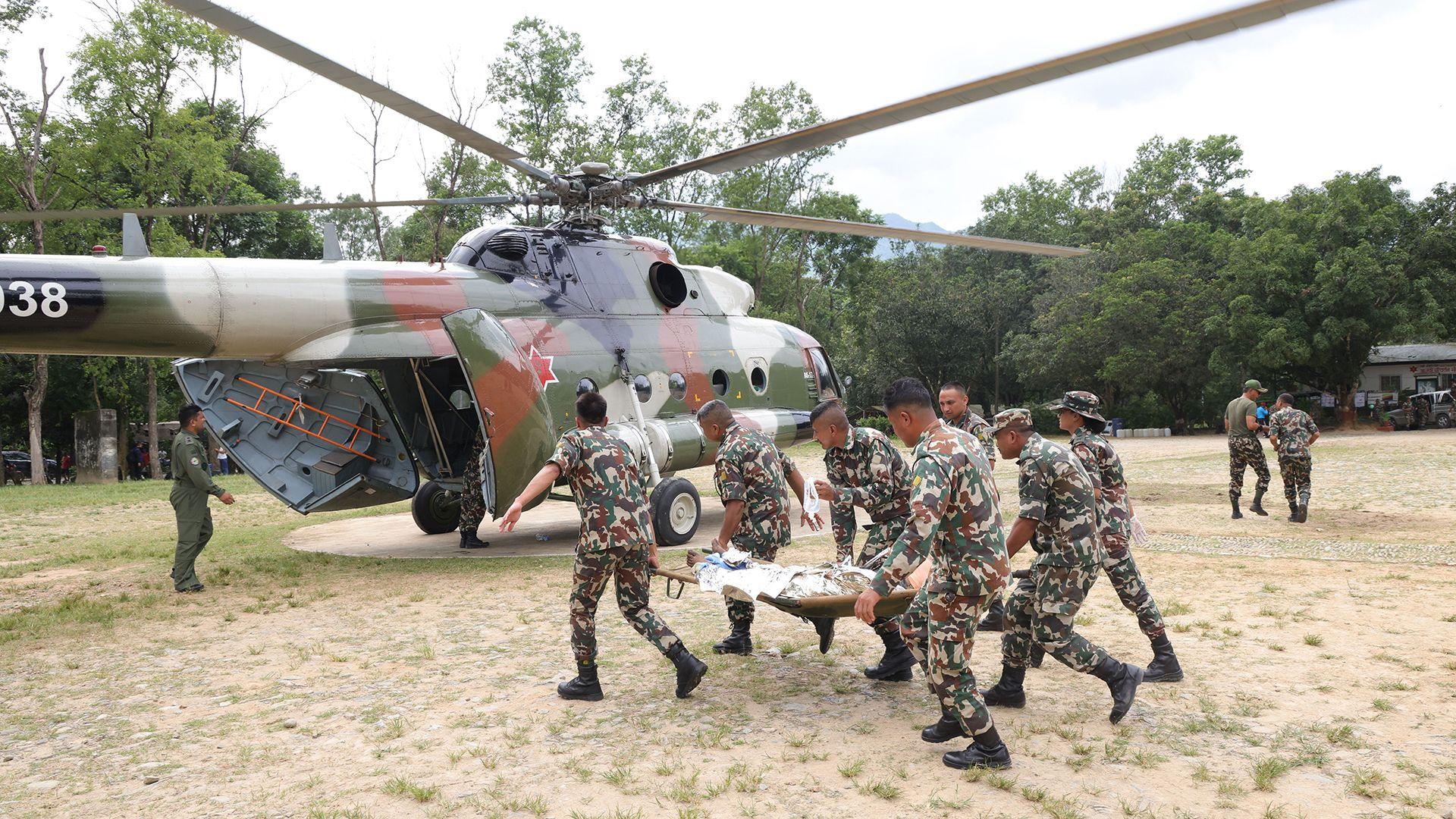
In the early hours of a southwestern monsoon, a torrent of rain unleashed a series of flash floods along the rugged frontier between Nepal and Tibet. Scientists are still pin‑pointing the precise trigger, but the result was a humanitarian nightmare: at least 1,200 lives lost and thousands of families uprooted, leaving a smog‑laden trail of destruction in its wake.
While the world watches the country grieve, Nepal’s authorities are already working to lay the groundwork for a monumental rebuilding effort. New estimates indicate that the nation will require billions of dollars to replace shattered homes, repair roads, and restore critical infrastructure—an ask that underscores the profound economic toll that climate events exact on fragile societies.
BBC South Asia correspondent Azadeh Moshiri has made her way to the heart of the disaster zone. “In the villages we’ve seen blocked streets, collapsed roofs and rivers that still swell with debris,” she reports. “The government is calling on international partners and domestic investors to contribute to the rebuild, but they fear that the flood’s impact will stretch into the coming decade.”
The disaster has exposed a paradox: Nepal stands as one of the world’s most vulnerable targets for climate erosion, yet it ranks among the lowest greenhouse‑gas emitters. Against this backdrop, the call for billions in funding carries a dual urgency. If the country can tap the necessary capital to elevate its infrastructure, it may set a global example of resilience forged from cooperation and adaptive planning.