In brief
Recent Israeli airstrikes on Iran have led to mixed reactions among young Iranians opposing their government, with some expressing relief at the prospect of Israeli action, while others remain skeptical about external attempts at reform.
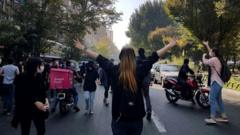
Last Friday saw Israel execute extensive airstrikes on Iran, prompting a retaliatory missile barrage from Tehran. Israeli Prime Minister Benjamin Netanyahu delivered a video message, urging the Iranian populace not only to support Israeli actions against Iran's nuclear ambitions but also to seize the opportunity for freedom. This timely intervention has spurred fragmented responses from various factions within Iran's opposition. While some factions have aligned themselves with Netanyahu's sentiment, others harbor skepticism regarding his actual intentions.Media access inside Iran remains confined due to extensive governmental crackdowns on dissent. Citizens have reported mass executions and imprisonments over the past decades, leading to opposition groups largely operating abroad. Among these groups are pro-monarchy supporters and the exiled Mojahedin-e Khalq Organisation (MEK), two of the more organized factions pushing for regime change.In spite of repressive internet controls, some young Iranians have shared their opinions on the conflict anonymously for safety. A 26-year-old named Tara highlighted governmental strategies to limit information during air raid warnings, suggesting that authorities aim to maintain higher casualties by delaying civilian evacuations.Sima, 27, articulated that although she does not support Israel's actions, her fatigue with the Iranian regime leads her to wish for swift foreign intervention. Her sentiments resonate with Amir, a 23-year-old who fully supports Israeli strikes, believing local and international responses have been insufficient to dismantle the regime. Amir referenced the protests following the death of Mahsa Amini, linking the regime’s violence towards dissenters to a greater historical narrative of oppression.Conversing opposition to the Israeli strikes, others expressed disdain for potential collateral damage amongst ordinary citizens. Navid, a 25-year-old activist, remarked on the challenges of regime change amid conflict, fearing that external military actions could aggravate rather than alleviate the suffering of the Iranian populace.Darya, also 26, echoed similar frustrations and pointed towards the lack of mass protests as an indication of the general sentiment against Netanyahu's rhetoric. Arguing that Israeli bombardments threaten to decimate infrastructure, she accused Netanyahu of exploiting nationalist sentiments while disregarding the implications of his military tactics.The complexity of this split opinion is perfectly captured in the reflections of Arezou, 22, who feels torn between her hatred of the regime and the bombings occurring under the auspices of foreign intervention. Her comments along with others emphasize a collective desire for peace and safety, illustrating the moral dilemma faced by everyday Iranians who are wary of both their oppressive government and the consequences of foreign military actions. Mina, 27, summed up the conflicting sentiments: she opposes the regime vehemently but opposes any violence that harms innocents. This sentiment underscores an essential truth—that many Iranians are seeking methods beyond violence and warfare to ensure a brighter future for their nation.