In brief
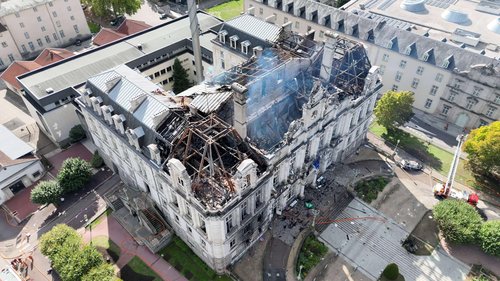
Following a week of widespread protests that turned violent, President Emmanuel Macron has announced a crackdown on public demonstrations in French towns and cities. Only union‑organised rallies will be permitted on Saturday, with non‑union plans barred or rerouted by prefects. Interior and justice ministers are scaling police deployments and fast‑track trials, with over 2,700 arrests already made. The move comes amid heavy media scrutiny and a looming national election, as France seeks to restore calm after riots that burned historic sites in Lyon and Paris.
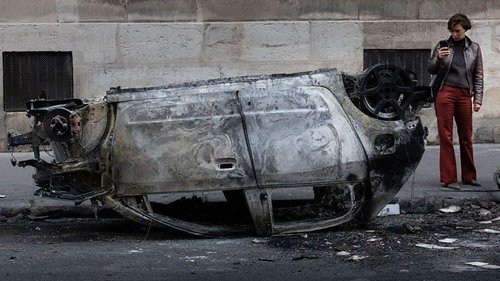
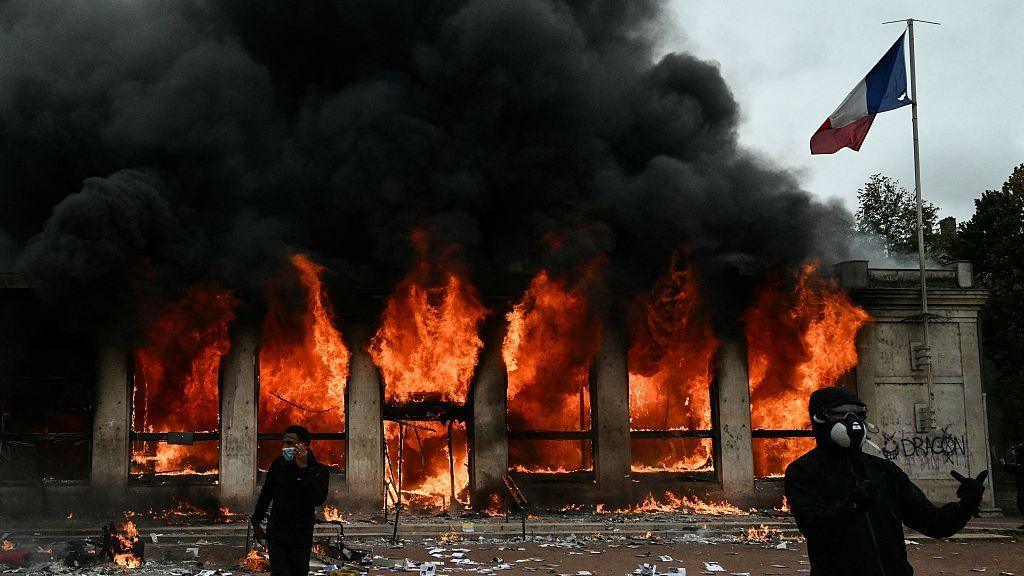
French President Emmanuel Macron has declared that only authorised union demonstrations will be permitted in towns and cities on Saturday, following a weekend of violent unrest that saw businesses and historic buildings destroyed across the country.
"Illegitimate" protests were banned, while unions were offered alternative routes by prefects to ensure businesses remain protected. This decision comes after cities such as Lyon, Nice, Toulon, Rouen and Grenoble imposed blanket bans on demonstrations.
The interior minister, Jean‑Didier Berger, announced a 20% increase in police deployment compared to the previous weekend, after the government was criticised for being blindsided by the scale of the unrest. In total, over 2,700 people have been arrested nationwide, and 217 have already been jailed in fast‑track trials, with more expected to follow.
Macron accused far‑left groups of organising "political and even seditious acts aimed at bringing down the Republic," and warned that non‑union marches would be banned wherever possible. The president met with intelligence services and ministers on Thursday to prepare for the next national day of protests on Saturday.
The unrest, spurred by rising fuel prices and a cost of living crisis, drew an estimated 550,000 participants on 17 October. While the marches were largely peaceful, they were marred by looting, fires and the destruction of key sites, including a 19th‑century tourism office in Lyon and parts of the city hall in Limoges.
The incident has intensified political pressure on Macron as he approaches the final months of his presidency and the French elections slated for 18 April and 1 May next year.