In brief
As Israel prepares for next week’s general election, the far‑right National Security Minister Itamar Ben Gvir is courting a surge of first‑time voters. A series of polls suggests over 16% of the 500,000 young citizens plan to back Ben Gvir’s Jewish Power or allied parties. Youths cite security concerns, a sense of national pride and social‑media outreach as persuasive factors. The election, seen as pivotal for Israel’s identity, could be determined by this new cohort, while long‑time politicians scramble to appeal to a generation more lithe and digitally connected.
Israel’s Far‑Right Reaches New Heights Among Youth in Election Race
Israel’s upcoming election is turning into a battle for the country’s future, with the far‑right National Security Minister Itamar Ben Gvir riding a wave of enthusiasm from first‑time voters. Long outcast from the political establishment, Ben Gvir now occupies a ministerial post in Prime Minister Benjamin Netanyahu’s coalition, and his message to young Israelis is simple: get to the polls.
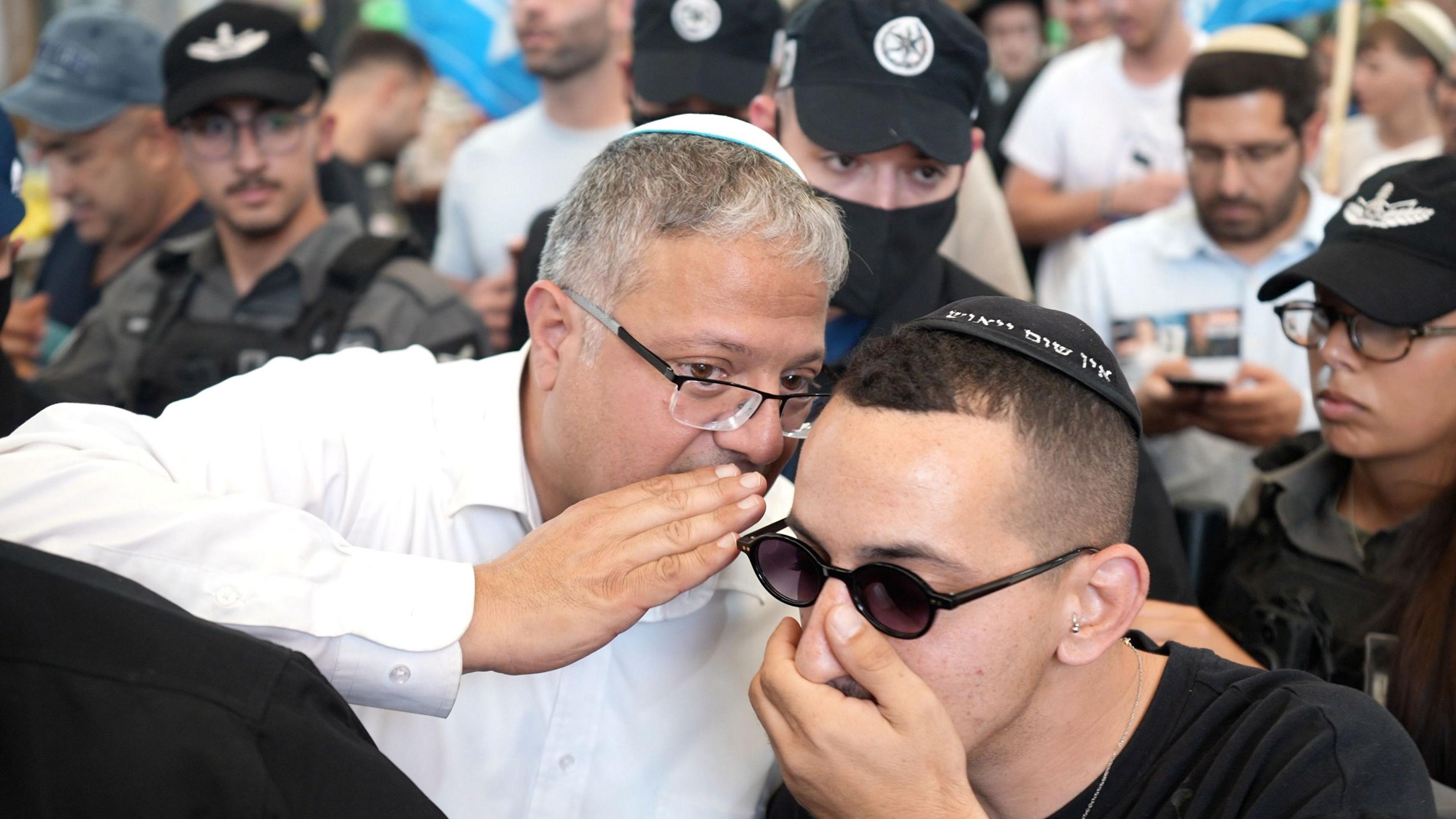
During a trip to the mixed town of Ramle, the minister was surrounded by jubilant teenagers lifting large party flags, their faces lit by the glow of security guards. In a short interview, he urged youngsters, "We see the support, we see the love and we want to win!" – a call that resonated with a generation increasingly vigilant about national security after the 7 October attacks.
Polls released by the popular Yedioth Ahronoth and Channel 12 indicate that more than 16% of first‑time voters are planning to back Ben Gvir’s Jewish Power or the Religious Zionism party of his ally Bezalel Smotrich. These figures mirror a broader trend of senior Israeli society looking for stability, while the younger cohort leans toward the right‑wing promise of hard security measures.
"Itamar Ben Gvir gives me a sense of security," says 20‑year‑old Mordechai, who marched with the minister through Ramle’s bustling market. “The youth emerge from this moment with a strong conviction – ninety percent of my peers think we’ll be safer if Ben Gvir leads.” A similar sentiment comes from 18‑year‑old Nadav: "If we go to the army, someone will have our backs and be behind us," he adds.
The youth’s enthusiasm is not limited to rhetoric. A series of classroom debates staged by satirist Lior Schleien showcased the extremity of some young Israelis’ views, prompting the removal of controversial videos that called for violence against Arab citizens. Yet many remain soothed by Ben Gvir’s portrayal of Israel as a strong, united nation.
The shifting political landscape is partly a product of the 7 October attacks and the ensuing Gaza war, which have hardened attitudes and intensified the perceived need for powerful leadership. Yet analysts argue that the core issue is generational: Israeli Jews aged 18‑22 have grown up in a climate of constant conflict, which has molded them into a class more receptive to hard‑line security dossiers and societal segregation.
Ben Gvir’s marketing savvy is evident on TikTok and Instagram, where his follower base eclipses that of many rivals. While Navely Bennett’s younger‑oriented party, Beyachad, has begun to challenge him with social‑media‑centric campaigning, Ben Gvir’s brand of charismatic, unfiltered media presence continues to attract a sizable segment of the electorate.
Amid fierce competition between the pro‑government coalition and an anti‑government opposition bloc, the vote of a few hundred thousand new voters could be decisive. The campaign’s focus has intensified on mobilizing these youthful participants, countering a trend of disengagement with traditional political debates and petitions.
While far‑right influence is palpable among the new voters, the broader Israeli electorate remains deeply divided, with clashing views on national security, identity and the handling of the Gaza conflict. As the election approaches, every ballot will count as the country weighs its next chapter.