In brief
Israel’s parliamentary vote on October 27 is being watched by U.S. voters who are set to choose the next Congress on November 3. The outcomes are intertwined: Israel’s leadership will dictate its stance on Iran, while the U.S. Congress will decide the level of aid and sanctions. Dual‑citizen voters in the U.S. with Israeli passports could tip close races, and President Trump’s campaign has opened the possibility of a renewed strike on Iran. Economists warn that any escalation would crash energy prices and hurt a fragile global economy. The two elections therefore hold the key to the future of the Middle East and the world’s energy markets.
On October 27 voters in Israel will decide the makeup of the 26th Knesset, while a week later, on November 3, American voters will determine the next U.S. Congress. Though separated by nearly 6,000 miles, these two contests are deeply linked, with outcomes that could ripple across the Middle East, global markets and public policy.
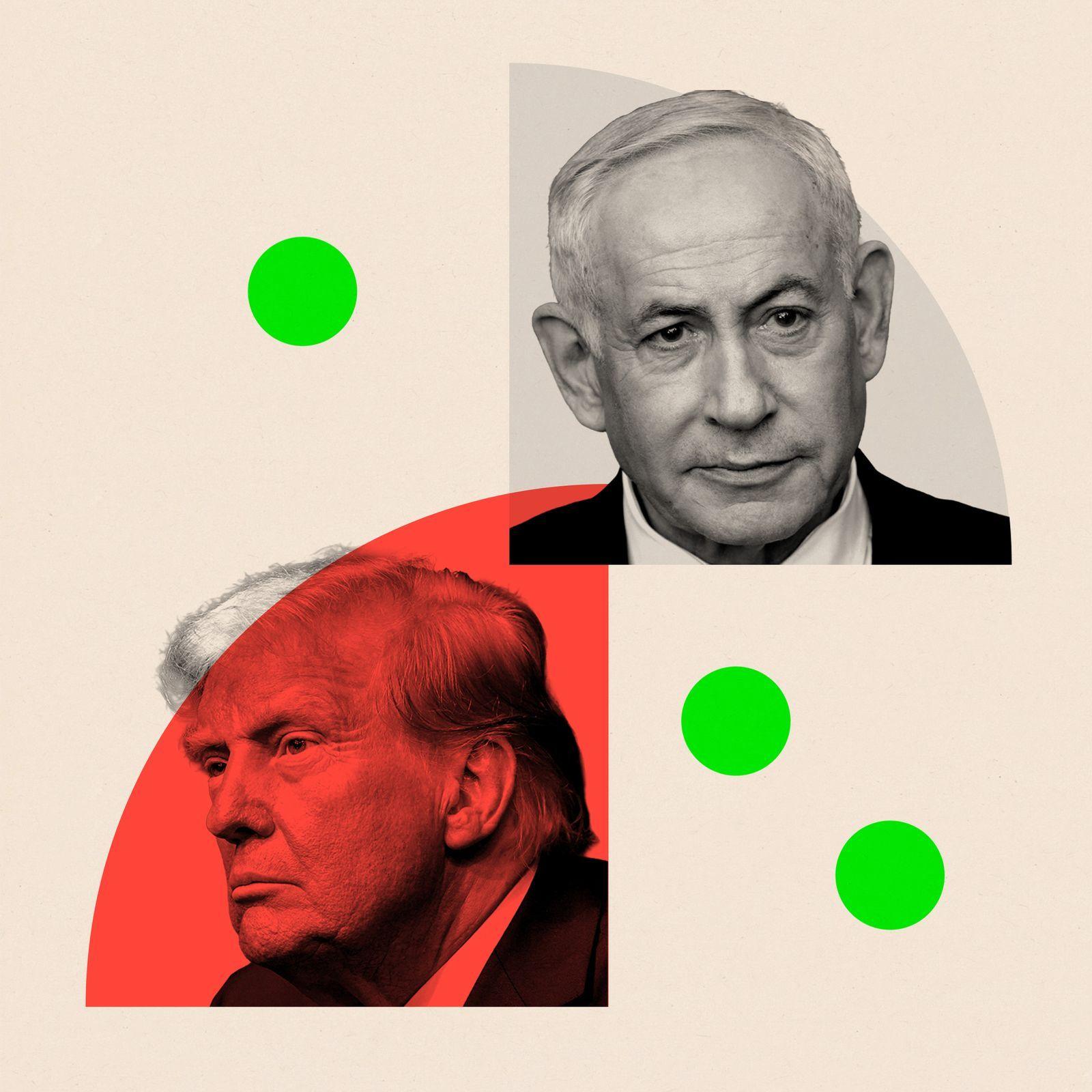
Israel’s election comes at a time when the country is on a high‑tension path after a series of aerial strikes on Iranian targets earlier this year. Prime Minister Benjamin Netanyahu is using the campaign to rally support for a repeat assault, claiming that the Islamic regime must be toppled to prevent further regional destabilisation.
In Washington, President Donald Trump is openly endorsing Netanyahu’s re‑election, saying that the two leaders should “soon finish the job” in Iran. Meanwhile, his opposition in the mid‑term races is anxious that a new Congress might reduce military aid and impose stricter sanctions if the balance of power shifts.
Adding to the intrigue are about half a million Israelis who hold U.S. passports. According to Republican Overseas Israel, these dual‑citizens can vote in both Israel and U.S. elections – a factor that could sway close Senate contests, especially in swing states such as Michigan, where an estimated 10,000 absentee ballots will be cast from Israel.
Beyond the immediate security debate, the wars in Israel’s backyard are already compressing global energy supplies through the Strait of Hormuz. The price inflation of oil, gas and other essential commodities has become a key campaign issue for both Democrats and Republicans, shaping voter priorities and party platforms.
Analysts warn that a post‑midterm Iranian strike could trigger a chain reaction of attacks against oil rigs, pipelines, and U.S. bases, further jolting the world economy. Conversely, a cautious post‑election stance might allow for diplomatic thaw or at least prevent an escalation that would spike prices worldwide.
Both elections also test the limits of democratic accountability. A new Israeli government could elect a prime minister less personally invested in a hardline war, possibly shifting policy to a more restrained approach. If the Democrats gain a majority in the U.S. Senate, they will have new leverage to curtail military aid and reform foreign policy priorities.
In short, the next weeks will decide whether the push for a decisive strike against Iran continues, how the U.S. and Israel will cooperate moving forward, and how the global economy will respond to the aftermath of these high‑stakes elections.