In brief
In Nazareth, Arab students are handing out leaflets to encourage voter turnout, as polls suggest Arab parties could become kingmakers in Israel’s 120‑seat parliament. Historically low engagement among Arab Israelis is now rising, driven by frustration over the current right‑wing coalition's hardline policies following the October 2023 Gaza conflict. If Netanyahu’s bloc fails to secure a majority, mainstream parties may need to court Arab parties to form a coalition, as leader Gadi Eisenkot has already ruled out such a partnership. The elections also spotlight key Arab concerns, including rampant gang crime and alleged state discrimination, which swing Arab voters toward parties that promise greater security and equal rights.
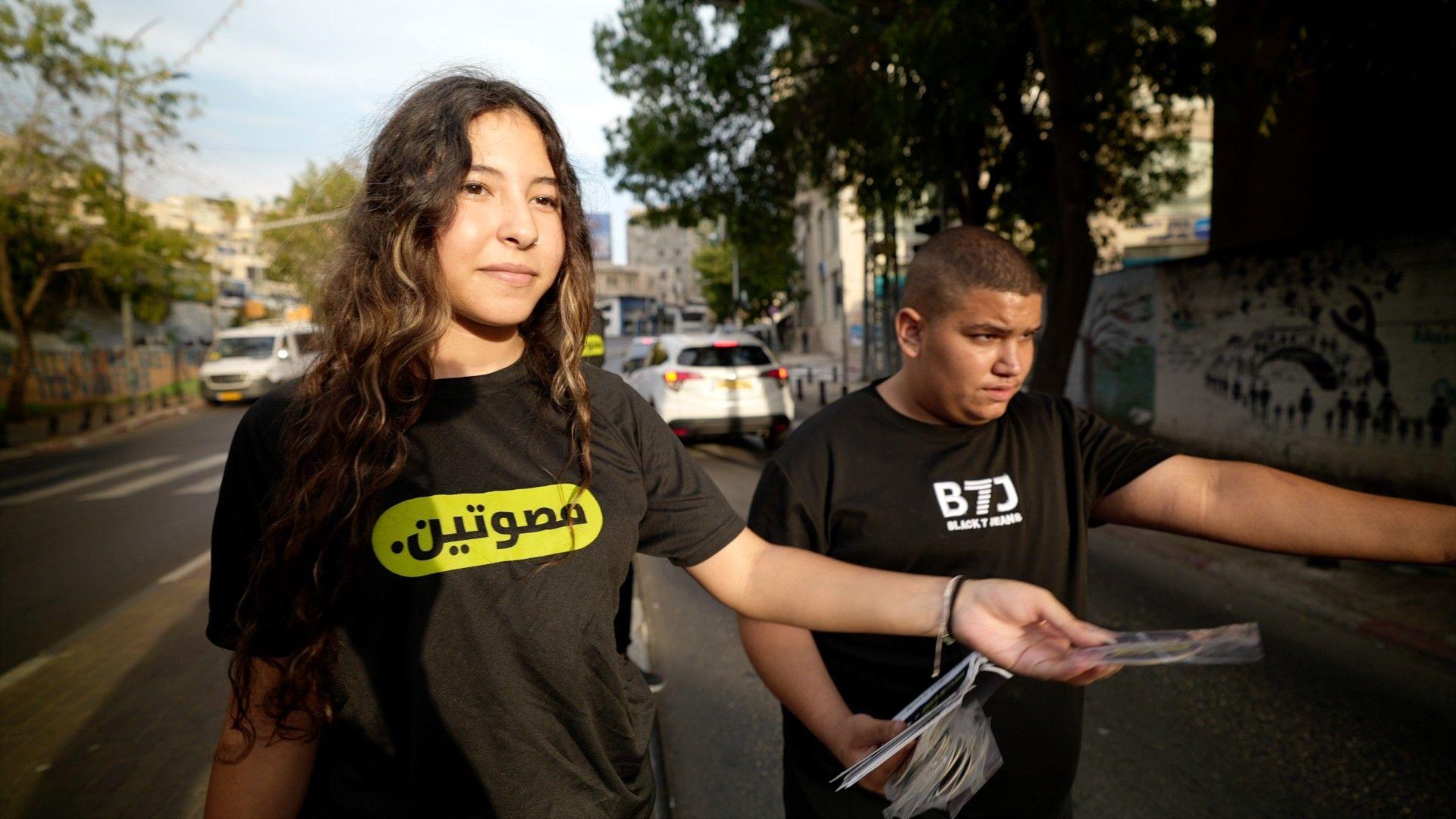
In the rolling streets of Nazareth, Israel’s largest Arab‑majority city, the sound of students shouting "Vote, vote, vote" mingles with the hum of traffic. These young activists are handing out flyers at a curb, urging Arab citizens to head to the polls next week, where the stakes have never been higher: polls show the main parties are in a tight race, and Arab parties could hold the swing votes that decide whether the current coalition or the opposition wins.
For years, Arab Israelis have been a small minority, about one‑fifth of the population, and have often voted in low numbers because many feel ignored or threatened by the ultra‑nationalist government that has been in power for twelve years. The 2023 Hamas‑led assault on Israel and the ensuing war in Gaza have exacerbated religious and ethnic tensions, earning Arab voters a hard‑line backlash that has included widespread arrests and budget cuts to Arab communities.
If Netanyahu’s coalition fails to gain a clear majority, the opposition – led by former military chief Gadi Eisenkot – might feel compelled to seek alliances with Arab parties. Eisenkot has already ruled out such a partnership, citing a lack of shared values. That leaves the streets of Nazareth as a potential arena for a shift in power, with Arab parties requesting a “position of influence” rather than mere representation.
The compact of the Arab League in Israel is not monolithic. The Joint List, a coalition of secular parties like Hadash and Balad, pushes for equal rights, an end to the occupation of Palestinian territories and a two‑state solution. Their smaller counterpart, the United Arab List, led by Islamist‑oriented politician Mansour Abbas who now sits beside a Jewish centrist in his slate, is willing to negotiate in parliament. Polls this week put about 13 to 14 seats in the Knesset in the hands of Arab‑majority lists, which could sway a coalition’s leanings.
Beyond political alignment, Arab Israelis face severe internal challenges. A recent study by the Israel Democracy Institute found that gang crime is the number one factor guiding Arab voters; last year 252 murders in Arab communities, five times more than among Jewish Israelis, underscored the urgency. Survivors like Ziad Samouni, who lost his son to a gang‑related shooting, call for a government that takes crime seriously.
The electoral debate has also taken on a culture warfare tone. Far‑right Finance Minister Bezalel Smotrich has promoted the idea of “Judaizing” northern Galilee and southern Negev communities, echoing settlement expansion rhetoric. In the months before voting, the Supreme Court overturned a decision that would have barred Arab parties from registering, a move that many applauded as a defence of democratic rights.
With the vote just days away, residents of Nazareth have begun flanking their cars with flags and signs. The coming elections will determine who will steer the country and how Arab citizens will be treated in the future.