In brief
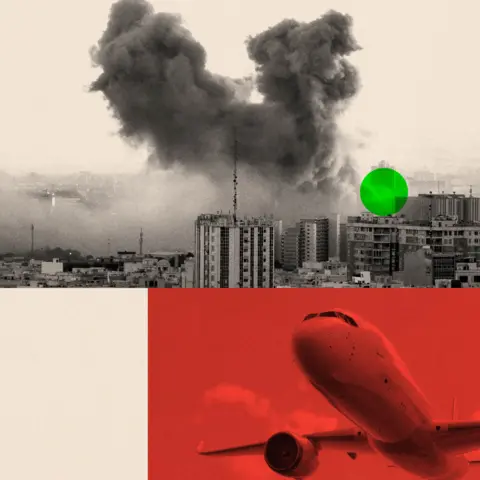
The ongoing conflict in the Middle East poses a severe threat to global aviation. Major hubs in the Gulf, like Dubai International Airport, are experiencing significant disruptions due to closed airspaces and fuel shortages, leading to flight cancellations and stranded passengers. Experts are concerned about the long-term impact on the Gulf's role in global travel, which could result in higher ticket prices and changes to established flying patterns.
It was once a humble outpost in the world of global aviation, a dusty overnight halt for luxury flying boats making the arduous journey from the UK to far-flung parts of the British Empire, such as India and Australia. By the 1960s, it had a simple runway made of desert sand, used as a refuelling stop by airliners en route to arguably more exotic destinations. Yet today, Dubai is one of the key pillars of the industry, and Dubai International Airport (DXB) is its beating heart. In 2024, more than 92 million passengers made their way through its gleaming, marble-floored halls and sparkling, brightly lit shopping malls. That makes DXB the busiest airport in the world for international passengers - far outstripping London Heathrow, for example, which accommodated just under 83 million. **But the conflict in the Middle East has had a dramatic impact on global aviation**, leading to heavily disrupted air traffic. With supplies of jet fuel cut off after Iran blocked the Strait of Hormuz, prices have soared and many flights have been reduced. As passengers adapt to these challenging circumstances, they may choose alternative routes that bypass Gulf carriers, placing the traditional Gulf aviation model in jeopardy. Insiders wonder what the long-term implications will be on an industry that thrives on the efficiency of these hubs, which have transformed long-distance travel into a more affordable option. **While immediate concerns are present**, figures suggest that ongoing disruptions could change the face of air travel for years to come.