In brief
On Tax Day, the Trump administration reported significant use of new tax breaks, with over 53 million filers taking advantage of various deductions. This comes amid concerns that many Americans still feel burdened by high taxes, reflecting mixed opinions on the recent tax reforms. Average refunds have increased, but many remain skeptical of the benefits.
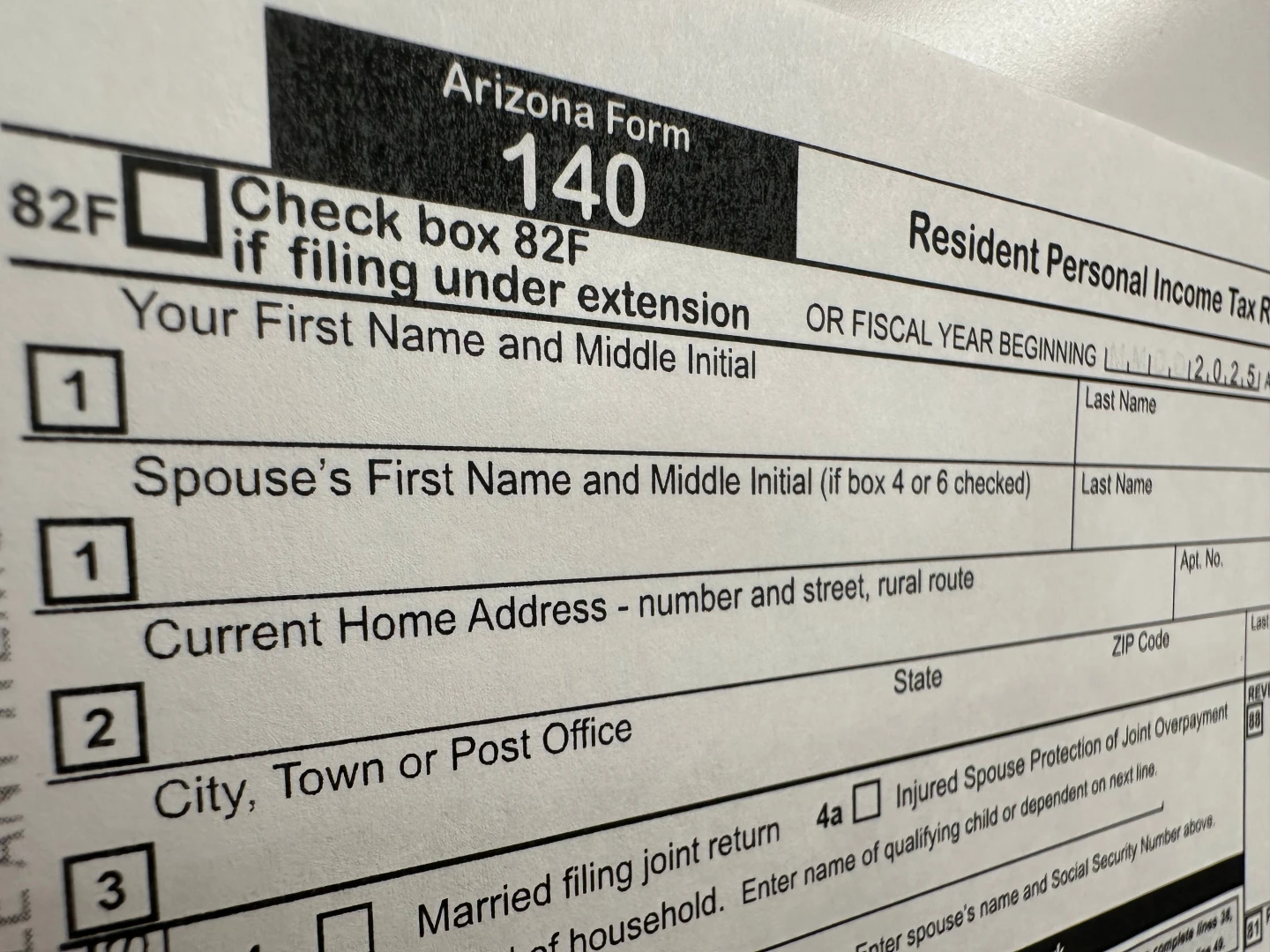
WASHINGTON (AP) — On Wednesday, Americans face the looming Tax Day deadline, with many already taking advantage of new tax breaks introduced under the Trump administration. The administration reported that millions have utilized provisions such as the elimination of taxes on tips and overtime, tax exemptions for specific car loans, deductions for seniors, and initiatives to promote children's savings. A Treasury official noted that over 53 million filers claimed deductions under these provisions, highlighting a significant uptake in the first tax season since the passage of the sweeping tax law.Despite these new incentives, a recent poll revealed that approximately 70% of Americans still believe their tax burdens are too high, reflecting a complicated reception of the proposed benefits. Additionally, the administration had previously projected higher average refunds this year, which are currently averaging $3,462, marking an 11% increase from the previous year's average of $3,116.As tax season began, the White House touted expected returns exceeding $1,000, aiming to reinforce the success narrative of the tax cuts ahead of midterm elections. However, the continuous rise in gas prices due to geopolitical tensions, notably influenced by the conflict in Iran, has overshadowed this messaging.The IRS's new leadership, encountering workforce reductions of nearly 27% over the past year, is facing tight scrutiny as it adapts to these cuts while attempting to implement the new tax laws effectively. In forthcoming sessions, IRS CEO Frank Bisignano is expected to address claims regarding the agency's handling of taxpayer information, especially concerning its partnership with other government departments in immigration matters, amidst claims of unlawful disclosures.As the tax season unfolds, the welfare and sentiment of taxpayers remain complex, mirroring a diverse range of opinions on the expected benefits of recent tax legislative changes.