Venezuelan President Nicolás Maduro said on Thursday he was open to talks with the US on drug trafficking and oil, after weeks of an escalating pressure campaign against his government.
In an interview with Venezuelan state TV, Maduro stated that he was ready for dialogue with the US 'wherever they want and whenever they want'.
He also evaded a question about a statement by President Donald Trump that the US had hit a docking facility in Venezuela - the first such attack inside the country reportedly carried out by the CIA.
US forces have been targeting vessels suspected of smuggling narcotics through the Caribbean and eastern Pacific for the past three months.
There have been more than 30 strikes on vessels as part of the Trump administration's 'war on drugs', resulting in over 110 fatalities since the first attack on a boat in international waters on September 2.
The latest incident occurred on Wednesday when two boats allegedly carrying drugs were struck, killing five people onboard, according to the US military.
Trump announced the US had carried out a strike on a 'dock area' associated with alleged Venezuelan drug boats, which resulted in a 'major explosion'.
This blast was reportedly caused by a drone strike executed by the CIA, marking the first known US operation inside Venezuelan territory.
However, Maduro remained vague when questioned about the attack, suggesting it could be a topic for future discussions.
In addition to drug trafficking, Maduro also expressed openness for dialogue on oil and migration.
In recent months, Trump has focused on combating the influx of drugs, particularly fentanyl and cocaine, into the US.
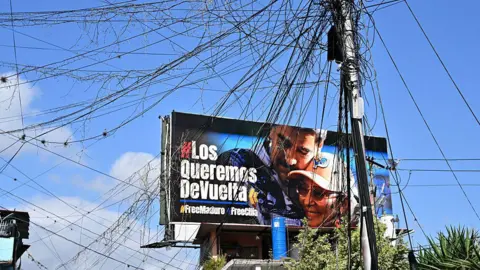
Donald Trump has increased the reward for information leading to Maduro's arrest, designating the Maduro government as a Foreign Terrorist Organization (FTO).
Maduro has vehemently denied accusations of leading a drug cartel and accused the US of using its 'war on drugs' as a pretext to undermine him and seize Venezuela's vast oil resources.
Experts in counternarcotics argue that Venezuela plays a relatively minor role in global drug trafficking, primarily functioning as a transit location for drugs produced elsewhere.
While Colombia is the world's top cocaine producer, most of its output is believed to enter the US through alternative routes, rather than through Venezuela.
Without substantial evidence, Trump has accused Maduro of 'emptying prisons and insane asylums' and 'forcing' inmates to migrate to the US.
An estimated eight million Venezuelans have fled the country since 2013, with many seeking refuge in the US.
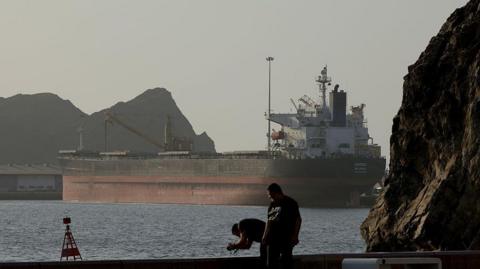
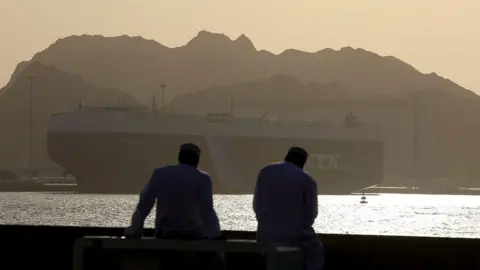
The US has intensified its efforts against sanctioned oil tankers moving in and out of Venezuela.
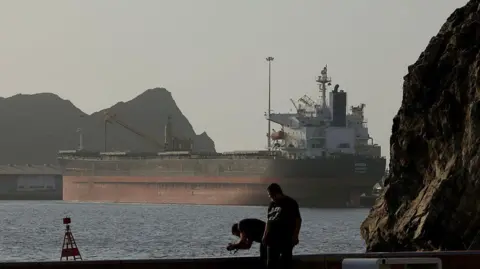
On December 10, US forces seized an oil tanker, claiming it was used for transporting sanctioned oil from Venezuela and Iran, a move Venezuela labeled as 'international piracy'.
Following this, another tanker was seized, and efforts are ongoing to pursue a third.
The Trump administration has characterized its operations against suspected drug boats as a non-international armed conflict against traffickers, although legal authorities warn these actions may violate conflict laws.
No evidence has been provided to substantiate America's claims regarding the targeted boats carrying drugs. Nevertheless, the US Southern Command reiterated this week that 'intelligence confirmed the vessels were transiting along known narco-trafficking routes and engaged in narco-trafficking'.