Alan Greenspan, Architect of the Modern American Economy, Dies at 100
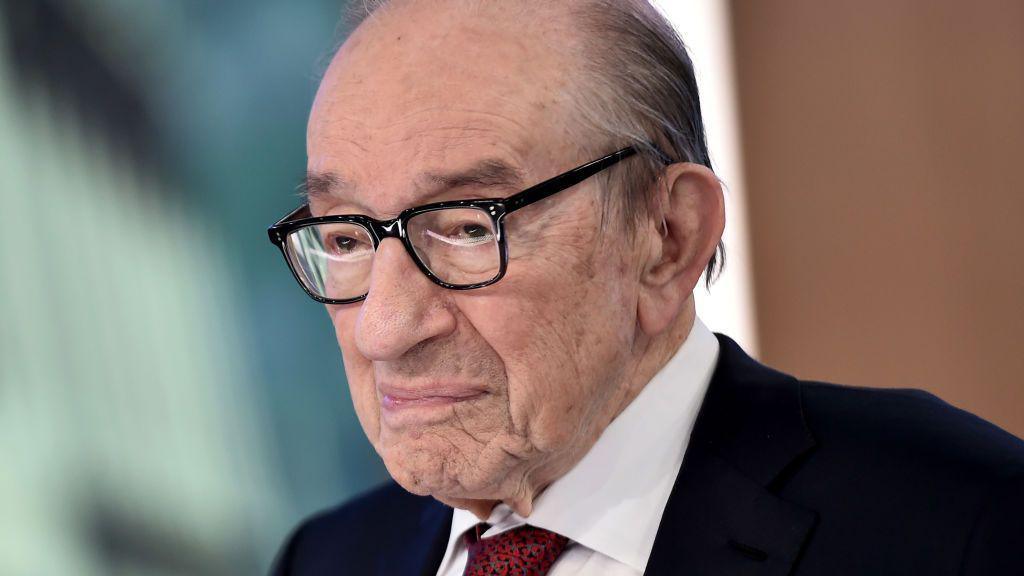
Former U.S. Federal Reserve chair Alan Greenspan has died at the age of 100, a statement from his wife confirms, bringing a long‑shaped career to a close.
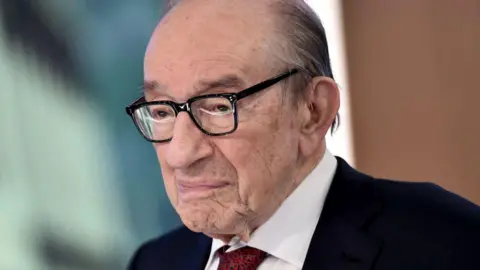
Greenspan served as the chief economist of the United States from 1987 until 2006, a period that included the longest sustained period of economic growth in a generation. He is cited as the “God in the machine” of American finance, known for his careful use of low interest rates and for resisting the temptation to issue public statements. His tenure saw the handling of the 1987 stock market crash, the 1990s boom, and the responses to the nine‑nine‑one attacks.
Critics argued that Greenspan’s insistence on a free‑market approach and his reluctance to regulate lending institutions helped stir the dot‑com bubble and, after the 2006 retirement of the chair, the sub‑prime mortgage crisis of 2008. In testimony to Congress he acknowledged that banks had misplaced their confidence in self‑regulation and that the policy of low rates had allowed risky lending to flourish.
Beyond policy, Greenspan’s personal life drew media attention. He married NBC reporter Andrea Mitchell in 1997 and was briefly linked to Barbara Walters in the late 1970s. He remained a sought‑after economics commentator in his later years, offering critiques of the Trump administration, the UK’s Brexit, and a 2023 Biden rate hike.
He was awarded the Presidential Medal of Freedom and an honorary knighthood, honors that underscored his lifetime influence. Greenspan’s legacy will always reflect a period where GDP contracted only once over two decades, though the debate over his regulatory philosophy and his role in key market crashes will persist. The world now mourns the departure of a central banker whose decisions shaped the modern U.S. economy for close to twenty years.