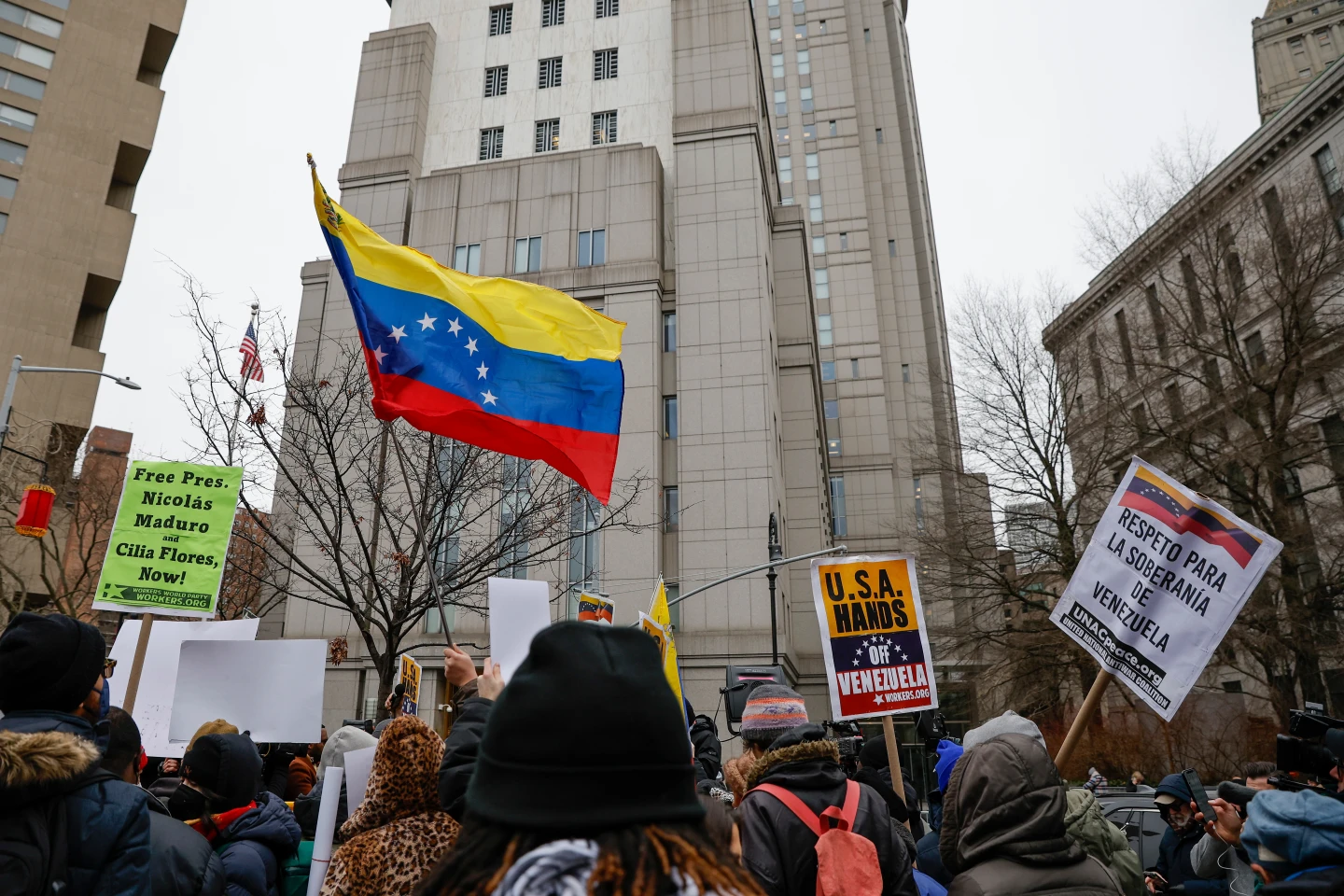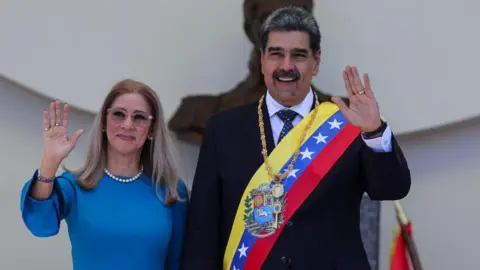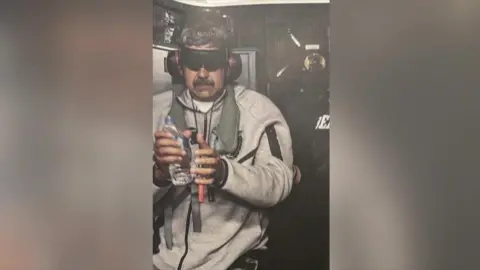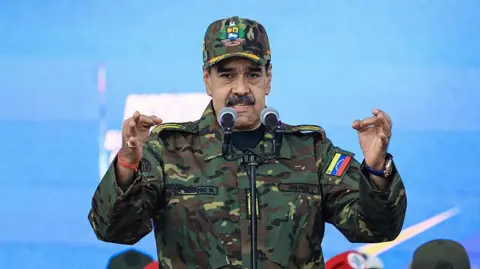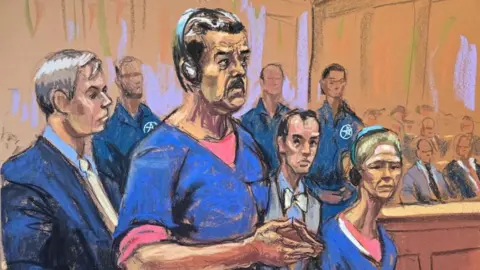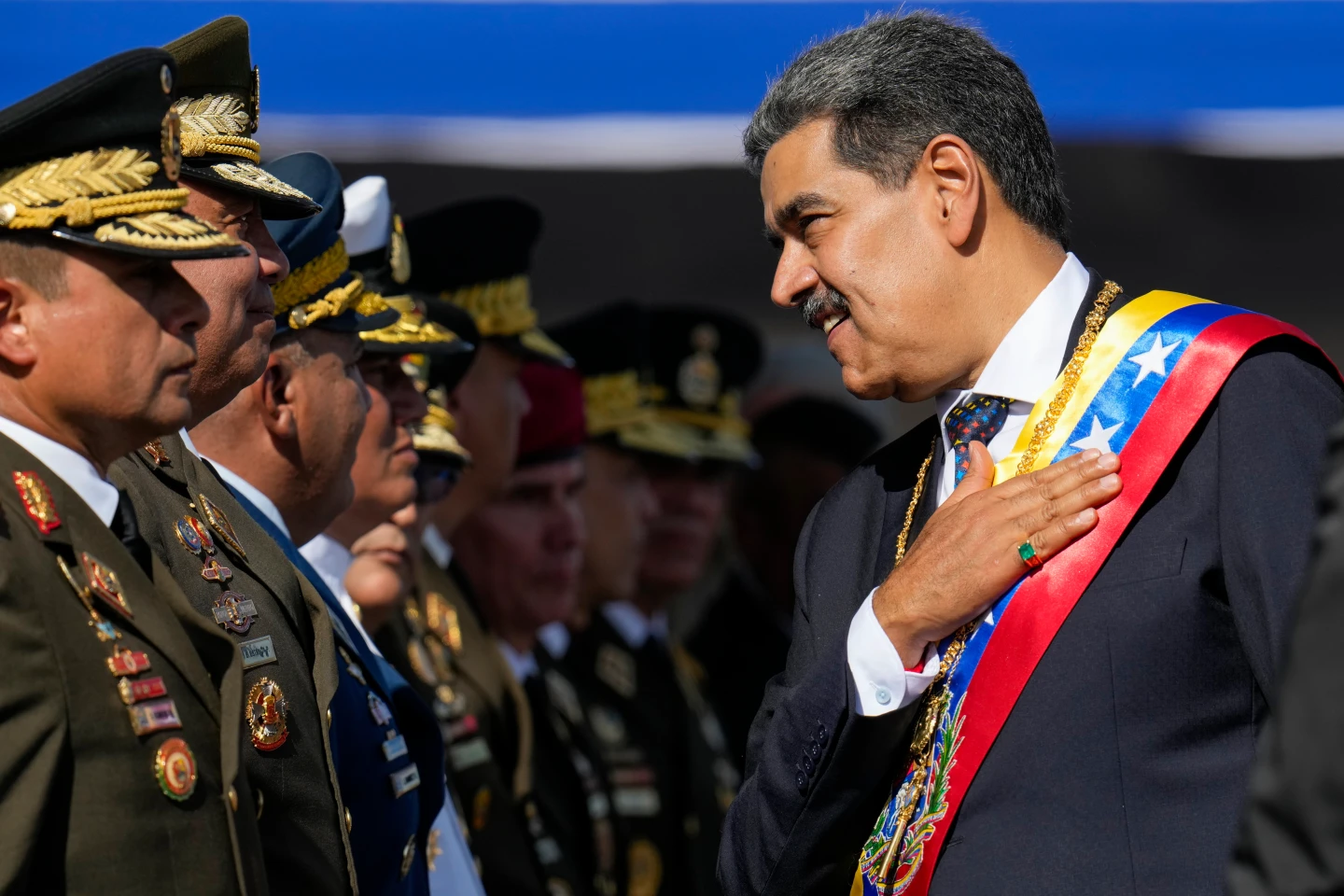
On Monday morning, a handcuffed, jumpsuit-clad Nicolás Maduro stepped off a military helicopter in New York City, flanked by armed federal agents.
The Venezuelan president had spent the night in a notorious federal jail in Brooklyn, before authorities transported him to a Manhattan courthouse to face criminal charges.
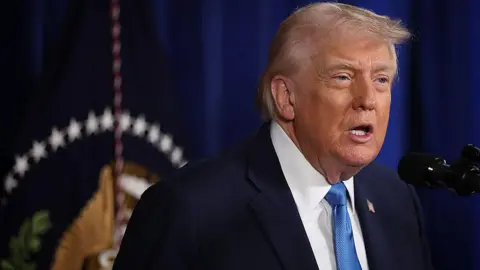
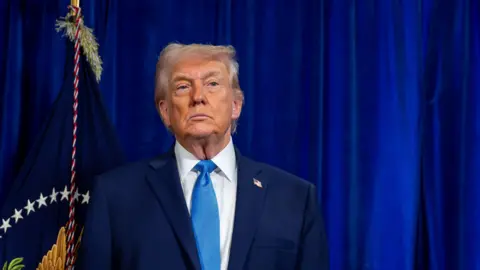
Attorney General Pam Bondi declared that Maduro was brought to the U.S. to 'face justice'. However, international law experts have raised questions about the legality of the Trump administration's actions, arguing they may have breached international statutes governing the use of force. Although the U.S. maintains its stance that its actions were justified, they fall into a complex legal grey area.
Maduro has been accused of 'narco-terrorism' and facilitating drug trafficking, but he vehemently denies these allegations. Facing drugs charges, he entered a plea of not guilty in court. Legal experts emphasize that the U.S. operation to extradite him without proper governmental agreement from Venezuela constitutes a serious violation of international law.
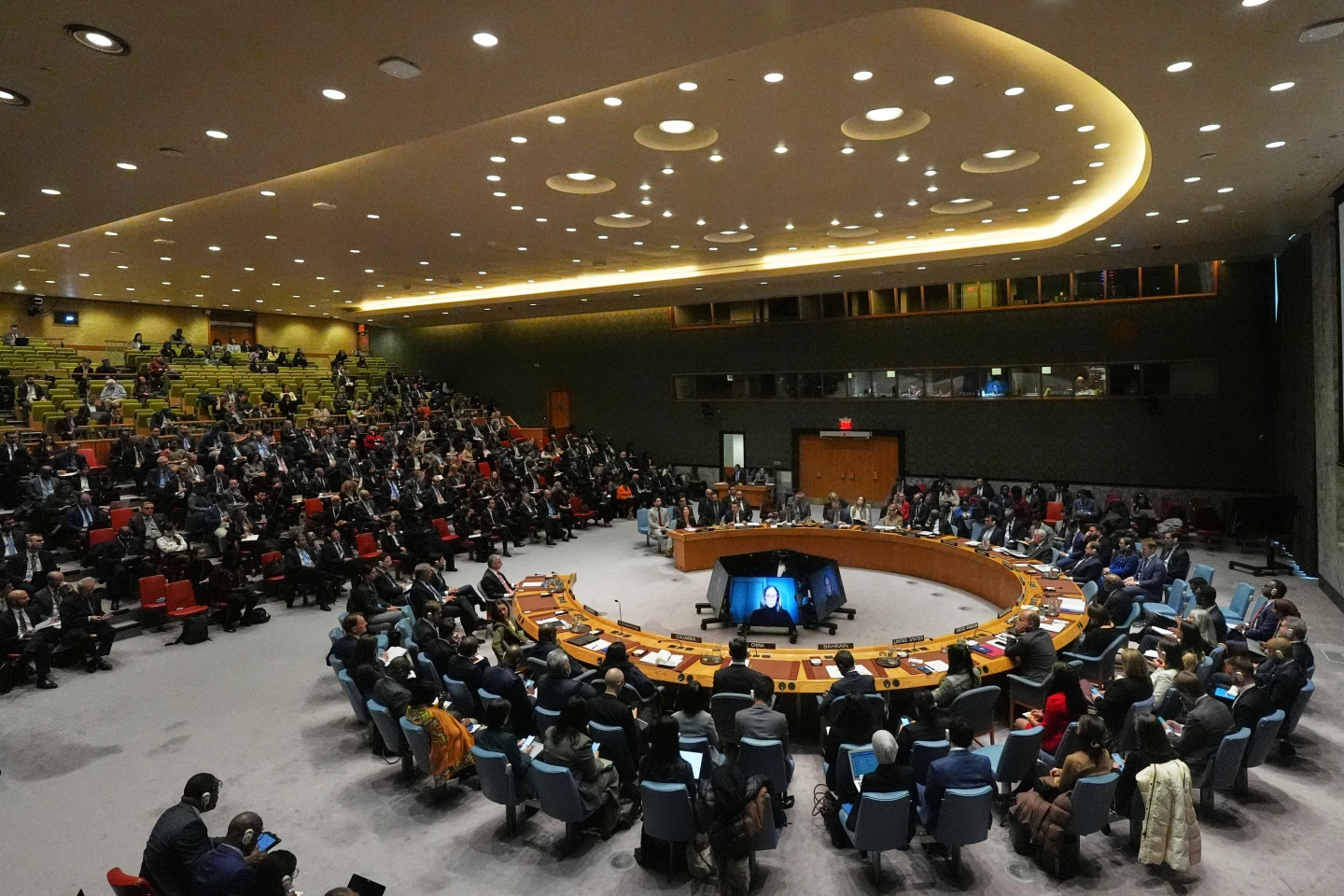
Prof. Luke Moffett from Queen's University Belfast pointedly contends that such military operations to arrest foreign leaders are illegal, highlighting that the UN Charter prohibits member states from coercively influencing others unless there is immediate self-defense or explicit UN Security Council approval.
This legal quagmire mirrors historical precedents, such as the U.S. indictment of Manuel Noriega in the 1980s under similar controversial circumstances. However, experts caution that domestic courts typically proceed with cases regardless of how the accused arrived in the U.S., suggesting that despite claims of wrongful capture, Maduro’s trial could continue unabated.
As the legal battles unfold, the implications of this case resonate on both national and international stages, challenging the boundaries of law enforcement, military actions, and sovereignty.