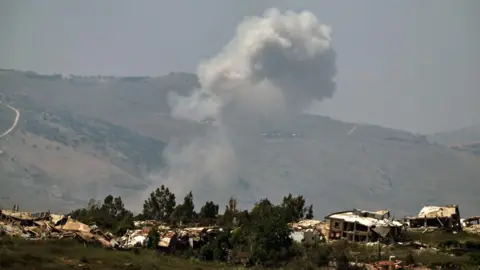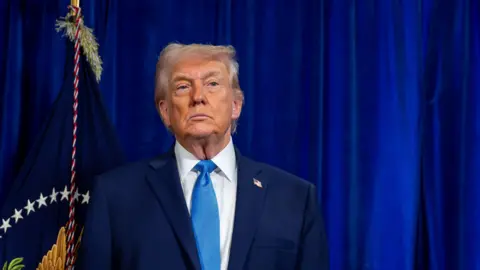
With the seizure of Venezuelan leader Nicolás Maduro, Donald Trump has demonstrated more powerfully than ever his belief in the power of his will, backed by raw US military force. On his orders, the US has Maduro behind bars and now will 'run' Venezuela.
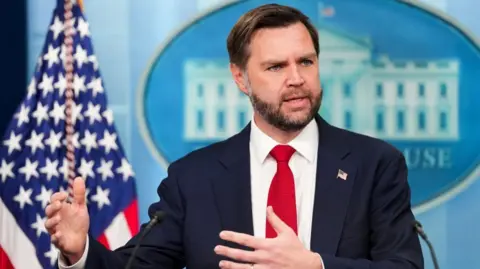
The US president made the announcement during a remarkable news conference with enormous implications for US foreign policy worldwide at his Florida club and residence, Mar-a-Lago. Trump stated that the US would be in charge in Venezuela 'until such time as we can do a safe, proper and judicious transition.'
He remarked, 'We're not afraid of boots on the ground if we have to have [them],' but the lack of detail raised questions on whether he believes he can govern Venezuela remotely.
As respected think tanks predict violence and instability following Maduro's fall, the military operation represents a significant assertion of American military power, with the US successfully removing Maduro without any American casualties.
While the immediate success of the military operation was noted, history indicates that the political aftermath is crucial to determining success. The US's past attempts at regime change often resulted in long-term chaos and suffering, as seen in Iraq and Afghanistan.
With Trump declaring a new 'Donroe Doctrine' to assert US dominance in the Western hemisphere, concerns rise about the implications this sets for international law and the potential for justifying similar actions by other nations, notably China regarding Taiwan.
In summary, while many Venezuelans may welcome the fall of Maduro, the broader implications of US military intervention are likely to cause lasting turmoil beyond Venezuela's borders, potentially restructuring global dynamics towards increased authoritarianism.
The US president made the announcement during a remarkable news conference with enormous implications for US foreign policy worldwide at his Florida club and residence, Mar-a-Lago. Trump stated that the US would be in charge in Venezuela 'until such time as we can do a safe, proper and judicious transition.'
He remarked, 'We're not afraid of boots on the ground if we have to have [them],' but the lack of detail raised questions on whether he believes he can govern Venezuela remotely.
As respected think tanks predict violence and instability following Maduro's fall, the military operation represents a significant assertion of American military power, with the US successfully removing Maduro without any American casualties.
While the immediate success of the military operation was noted, history indicates that the political aftermath is crucial to determining success. The US's past attempts at regime change often resulted in long-term chaos and suffering, as seen in Iraq and Afghanistan.
With Trump declaring a new 'Donroe Doctrine' to assert US dominance in the Western hemisphere, concerns rise about the implications this sets for international law and the potential for justifying similar actions by other nations, notably China regarding Taiwan.
In summary, while many Venezuelans may welcome the fall of Maduro, the broader implications of US military intervention are likely to cause lasting turmoil beyond Venezuela's borders, potentially restructuring global dynamics towards increased authoritarianism.