After Venezuela, there is no nation in the Americas more affected by the events in Caracas than Cuba. The two nations have shared a political vision of state-led socialism since a fresh-faced Venezuelan presidential candidate, Hugo Chávez, met the aged leader of the Cuban Revolution, Fidel Castro, on the tarmac at Havana airport in 1999. For years, their mutual ties only deepened, as Venezuelan crude oil flowed to the communist-run island in exchange for Cuban doctors and medics travelling in the other direction. After the deaths of these leaders, Nicolás Maduro, trained in Cuba, succeeded Chávez, ensuring continuity for both revolutions.
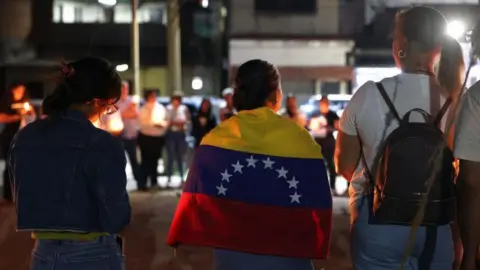
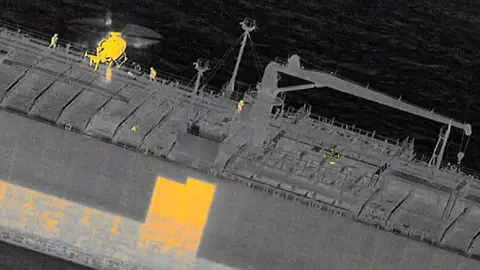
Now, following Maduro's forcible removal by US operations, Cuba faces dire consequences. The Cuban government has responded strongly, denouncing the attack as illegal and mourning the loss of 32 Cuban nationals killed in the military operation. This incident underscores Cuba's influential presence within Venezuela's military and security frameworks, long denied both publicly and privately by the Cuban regime.
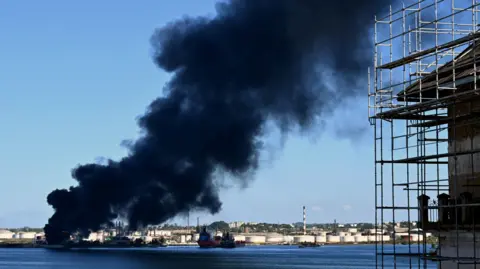
Amidst these geopolitical shifts, Cuba grapples with a worsening economic crisis, marked by severe fuel shortages and rolling blackouts, leaving many households struggling without electricity or sufficient food supplies. Recent outbreaks of diseases like dengue fever further stress the compromised healthcare system, once a point of pride for the island.
The impending alteration in the flow of Venezuelan oil to Cuba, especially under the new political leadership in Caracas, poses a significant threat to Cuba’s economy. The Trump administration's strategy has already begun exacerbating the energy crisis, raising fears among Cuban citizens regarding their already precarious situation.
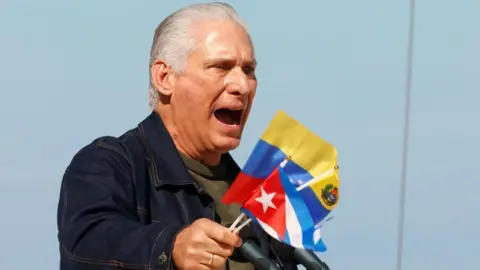
As political tension escalates, both nations stand at a crossroads, with Cuba defiantly maintaining its political ideology, yet vulnerable to the pressures exerted by US foreign policy and internal economic strains.
Now, following Maduro's forcible removal by US operations, Cuba faces dire consequences. The Cuban government has responded strongly, denouncing the attack as illegal and mourning the loss of 32 Cuban nationals killed in the military operation. This incident underscores Cuba's influential presence within Venezuela's military and security frameworks, long denied both publicly and privately by the Cuban regime.
Amidst these geopolitical shifts, Cuba grapples with a worsening economic crisis, marked by severe fuel shortages and rolling blackouts, leaving many households struggling without electricity or sufficient food supplies. Recent outbreaks of diseases like dengue fever further stress the compromised healthcare system, once a point of pride for the island.
The impending alteration in the flow of Venezuelan oil to Cuba, especially under the new political leadership in Caracas, poses a significant threat to Cuba’s economy. The Trump administration's strategy has already begun exacerbating the energy crisis, raising fears among Cuban citizens regarding their already precarious situation.
As political tension escalates, both nations stand at a crossroads, with Cuba defiantly maintaining its political ideology, yet vulnerable to the pressures exerted by US foreign policy and internal economic strains.