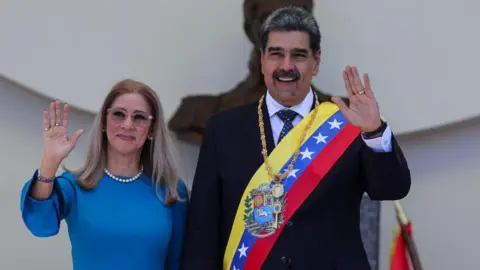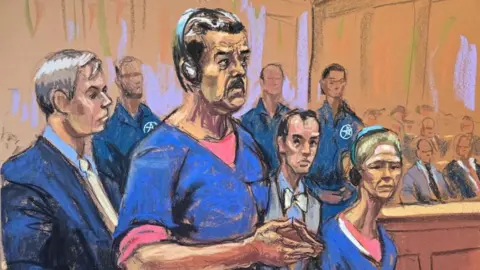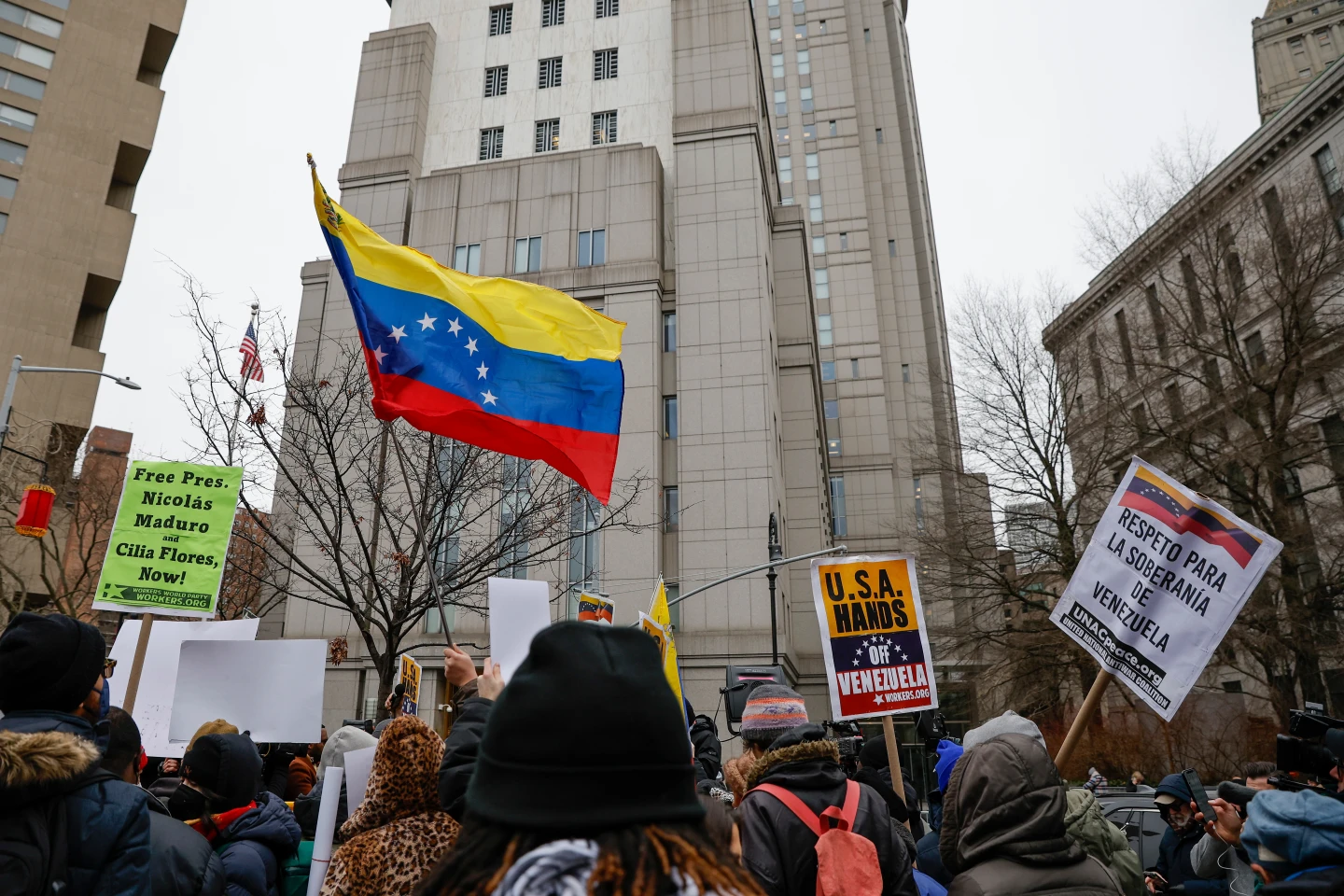
NEW YORK (AP) — Nicolás Maduro’s first court hearing in the U.S. was merely the beginning of a legal odyssey that could keep him locked up indefinitely. The recently deposed South American leader and his wife, Cilia Flores, who were apprehended by U.S. forces in a dramatic raid, have pleaded not guilty to drug trafficking charges.
The Trump administration characterized the operation that led to their capture as a surgical law enforcement action aimed at bringing Maduro to justice in a case that has been in the works for over six years. In court, Maduro called the operation a kidnapping and labeled himself a prisoner of war.
The pair is currently held in New York City, awaiting their next court appearance scheduled for March 17. Their lawyers hint that they may request bail in the future, although they recognize the challenges given the serious charges they face that could lead to life sentences.
Potential Legal Challenges
Maduro and Flores may face significant hurdles in securing bail due to their accused flight risk and the nature of their charges. Similar high-profile defendants, such as Manuel Noriega and Joaquín Guzmán, were denied bail when facing serious drug trafficking allegations.
Health Concerns for Flores
Deteriorating health conditions while in custody have raised concerns, particularly for Flores, who suffered injuries during her capture. Her legal team is requesting appropriate medical treatment, which may include an X-ray for her ribs, while Maduro's attorney has indicated that the former president also has undisclosed health issues.
Legal Representation and Challenges Ahead
Maduro has begun expanding his legal team as tensions mount. He and Flores are entitled to consular access, which may facilitate their legal and financial needs despite sanctions that complicate the transfer of funds.
Their attorneys have pledged to mount substantial legal challenges to Maduro’s indictment, citing issues of sovereignty and legality of his capture. The outcome of this legal battle could take years, raising questions about international law and diplomatic status.