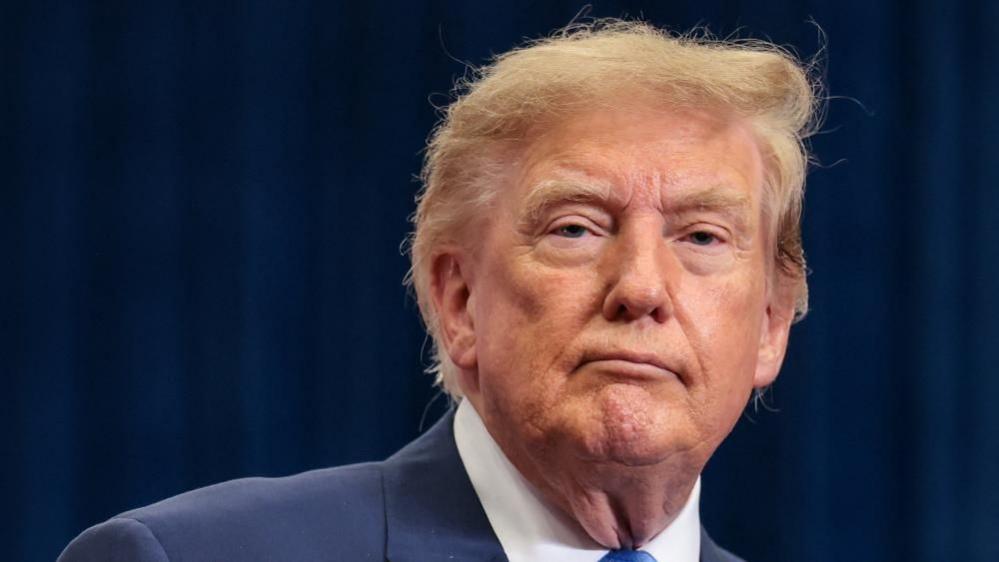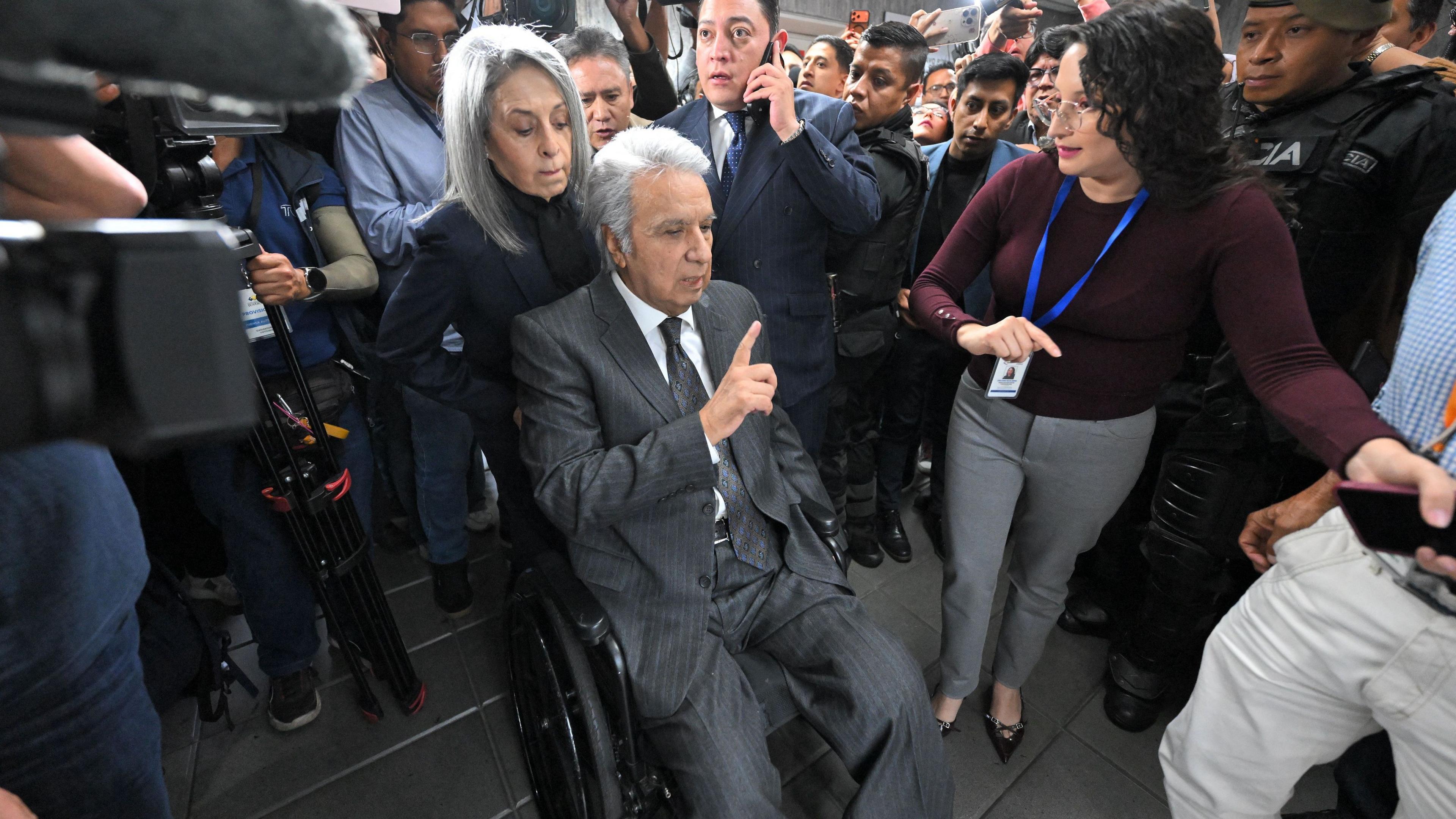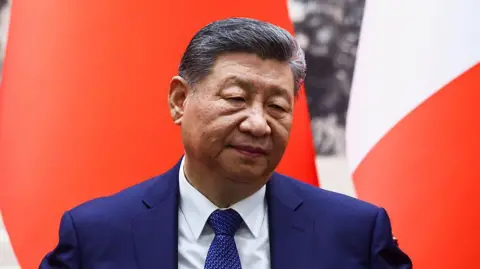
It took just a few hours for Donald Trump to upend a relationship that China had been cultivating for decades. Only hours before he was seized in a nighttime raid, Venezuelan president Nicolás Maduro had been praising his Chinese counterpart Xi Jinping as an older brother with a powerful message as a leader to the world during a meeting with senior diplomats from Beijing.
China has invested heavily in oil-rich Venezuela, one of its closest South American partners. Its state media displayed footage from that meeting, showcasing a friendly atmosphere alongside a shocking subsequent image of Maduro taken aboard a US warship, blindfolded and handcuffed, in grey sweats.
China joined many nations in condemning the US for its audacious move against Venezuela, accusing Washington of acting like a world judge and insisting that the sovereignty and security of all countries should be respected under international law. Nevertheless, Beijing is faced with a complex task of retaining its influence in South America while adapting to the unpredictable dynamic presented by Trump.
Despite viewing the turmoil as an opportunity, there are numerous uncertainties and risks as China grapples with how to respond to Trump's actions without destabilizing its investments and long-standing relationships in the region.
The raid collides with a period during which China traded with Venezuela extensively; between 2000 and 2023, it provided over $100 billion in loans, receiving oil in return. Now, around 80% of Venezuelan oil is sent to China, presenting both opportunities and risks if the situation escalates further.
China's concerns extend beyond Venezuela, with similar apprehensions surfacing regarding Taiwan. As tensions rise, voices within China question the implications of the US's actions, asking whether similar confrontational approaches could apply in the Taiwan strait.
While Trump’s raid fundamentally alters the landscape, it challenges China's strategy towards the Global South, risking its foothold in Latin America amidst ongoing US efforts to reshape regional engagement. The balance between capitalizing on opportunity and mitigating risk will be pivotal moving forward.