In brief
Russia and Ukraine have agreed to a temporary truce for Orthodox Easter, following calls from Ukrainian President Volodymyr Zelensky. This ceasefire, announced by President Vladimir Putin, is set to take effect from April 11 to Easter Sunday, although skepticism remains about its sustainability.
Russia and Ukraine have agreed to a truce for Orthodox Easter, with Vladimir Putin stating he ordered Russian troops to cease fire in all directions this weekend.
The declaration from Moscow followed numerous appeals from Ukraine's Volodymyr Zelensky, who had called for a ceasefire that the Kremlin had previously ignored.
Putin's announcement detailed a truce from 16:00 local time (14:00 BST) on Saturday, April 11, through Easter Sunday, conditional on Ukraine reciprocating and being ready for any provocations.
Despite the Kremlin's call for a ceasefire, Zelensky responded on social media indicating Ukraine's preparedness for symmetrical steps. He emphasized the need for a peaceful Easter and the opportunity for Russia to refrain from further strikes post-holiday.
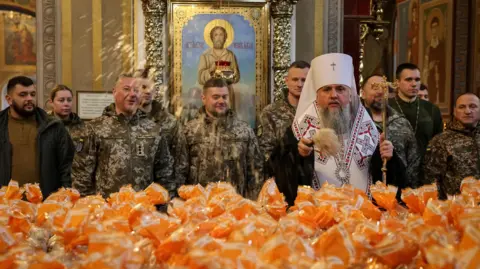
The truce provides a welcome reprieve for soldiers stationed along the frontline in eastern Ukraine, where they face relentless drone attacks. It also gives civilians a chance to experience a temporary break from the chaos of air raid sirens and ongoing threats from missile strikes.
Incidents of violence have persisted, with recent missile strikes killing civilians and the sound of sirens echoing through the streets of Kyiv even after the announcement of the truce.
Previously, Zelensky had sought U.S. assistance in proposing a holiday truce, hoping it might lead towards a longer-term peace. Ukraine's skepticism about Russia's commitment to ceasefire agreements remains strong, as past engagements have often led to further conflict instead of lasting peace.
As the Easter holiday approaches, the possibility of a temporary suspension of hostilities brings with it a renewed hope for dialogue, though many remain wary of the Kremlin's true intentions.