A Sudden Shift in Nairobi’s Business Climate
The bustling streets of Nairobi, once known for welcoming foreign entrepreneurs, have become a place of anxiety since President William Ruto announced a new mandate that requires foreign nationals running small‑scale businesses to leave the country by 7 September. The directive came months after the president cited concerns about unfair competition and lack of local sourcing. For many expatriates, the ruling felt abrupt and threatening.
Ndaikech Ali’s Story
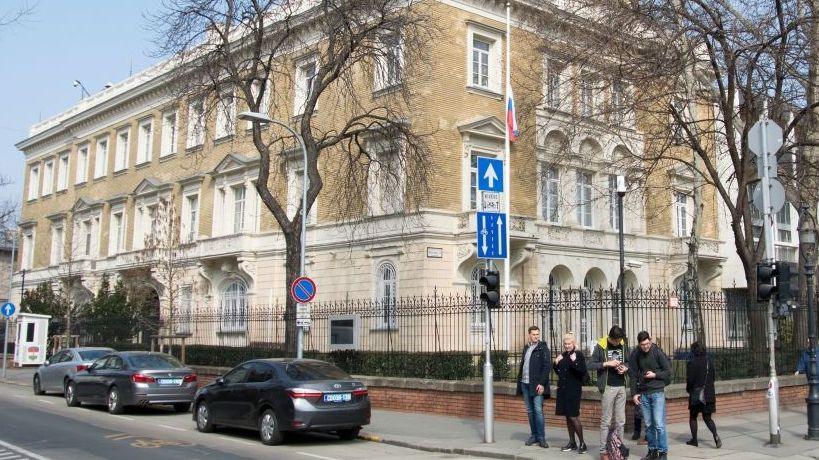
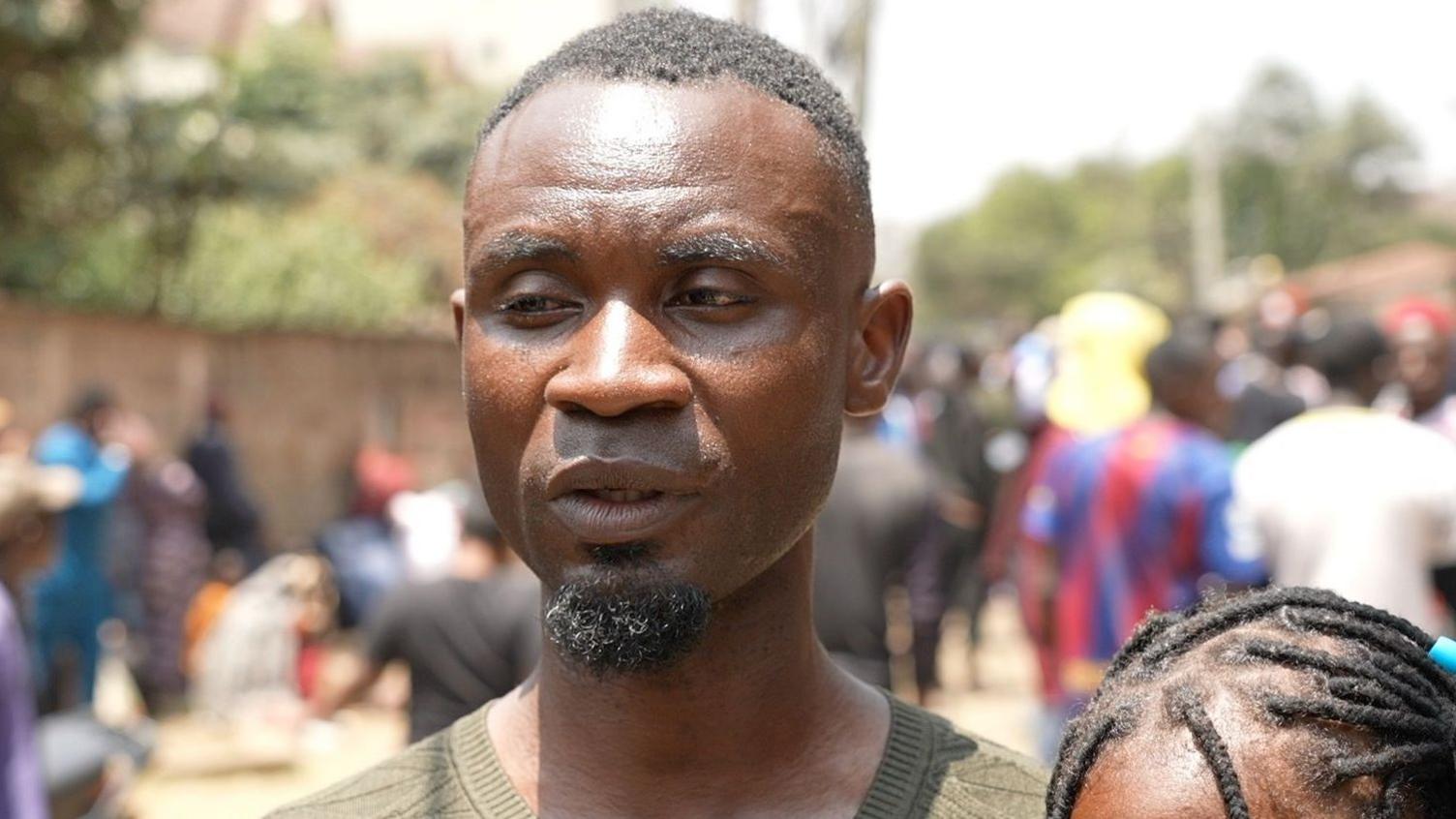
Ndaikech Ali, a 39‑year‑old Burundian who has driven a tuk‑tuk in Nairobi for nine years, felt the change like a “dog set loose on the streets.” He had seen the city’s hospitality as a gateway to livelihood, but the president’s speech at State House has led his community to face harassment, threats from strangers and even children. “Now they have turned against us,” Ali told the BBC from the Burundian embassy, where a line of foreign nationals is waiting for documents to secure travel back home.
When asked whether Ali could continue his tuk‑tuk business, he replied, “If we can’t work, we lose rent, food and we’re forced to leave.” Many shared his sentiment, fearing that a sudden exit would shatter families. 42‑year‑old Grace Wamaitha’s husband, a Burundian trader, left the island just after the decree, leaving her to support five children alone.
Broader Impacts on the Region
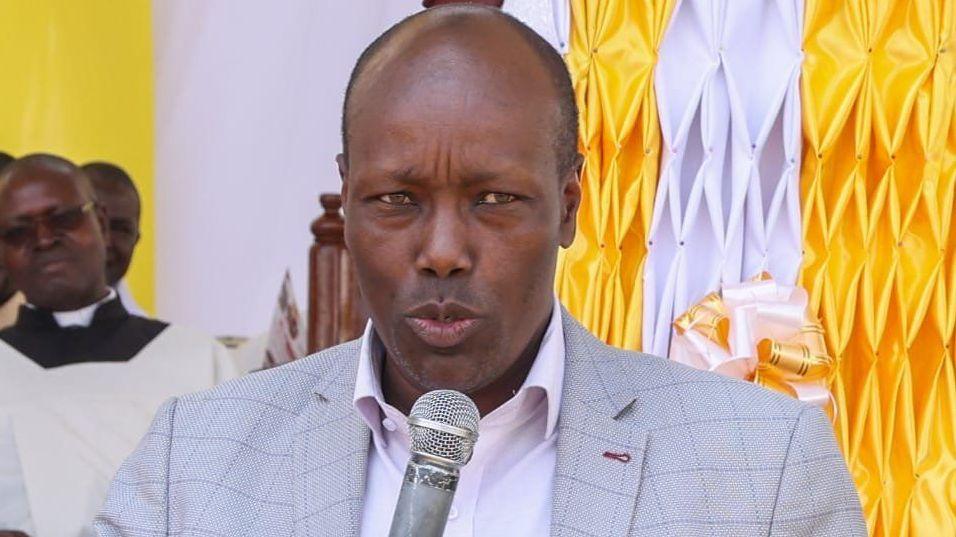
The crackdown has affected not just Burundians but also Ethiopians, Eritreans and Tanzanian nationals working across Nairobi. During the frenzy, many exported goods were seized, and some business owners chose to close voluntarily due to fear of protest or violence. The Kenyan government’s response included a statement from foreign affairs officer Korir Sing’Oei, who apologized to the affected community and guaranteed protection from potential violence.
In an attempt to mitigate backlash, President Ruto outlined a 90‑day window for undocumented foreign traders to register and comply with local laws. Officials say that those in the consent process are presumed to be residing legally, though critics claim it is a loophole that still leaves many in limbo.
Critics and the Politico Economy
Academic Hesbon Owilla mused that the president’s wording inadvertently fed xenophobia; "A much narrower policy could have simply targeted those without proper permits," he suggested. Economist Odhiambo Ramogi warned the policy could hamper Kenya’s role as a trade hub, noting that Kenya earned $56 million in exports from Burundi last year. "Disengaging foreign traders also removes competition that pushes local businesses to innovate," he said.
Some Kenyans pushed back, calling the decree an authoritarian predator over small businesses. Despite the criticism, Ruto’s spokesperson reaffirmed Kenya will remain "open, secure and welcoming," especially within the East African Community. Future elections may draw voters to the question of whether Kenya can balance job protection with freedom of movement.
For now, the sky appears overfilled with uncertainty for foreign nationals. While the Kenyan government attempts to tonight on a diplomatic floor, the headlines hint at an uneasy tug between national interests and humanitarian gestures.