In brief
Kenyan wildlife authorities have arrested four people, three Kenyans and one Tanzanian, amid a growing investigation into the mysterious deaths of 18 elephants in the Amboseli National Park. Preliminary lab tests suggest the animals were poisoned by cyanide residues found in tomato crops sprayed with illegal pesticides. The deaths, largely affecting female adults and their calves, have highlighted the threat posed by smuggled agrochemicals crossing the porous Kenya‑Tanzania border. While the suspects have been released on bail, the investigation continues to uncover the extent of the ecological crisis and the enforcement gaps that allow such incidents to occur.
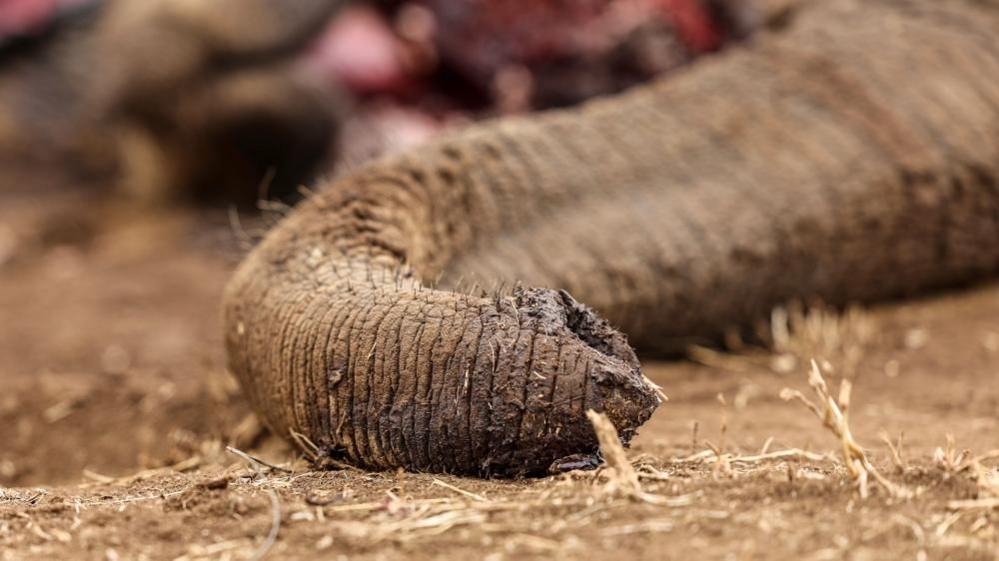
Four people have been detained in Kenya as part of an investigation into a burst of mysterious elephant deaths over the past two months, officials said.
Three Kenyan nationals and one Tanzanian suspect were arrested on suspicion of poisoning at least 18 elephants in the Amboseli National Park, the Kenya Wildlife Service (KWS) told the BBC.
The investigation is looking into whether the animals died from cyanide poisoning after consuming large quantities of tomatoes sprayed with illegal pesticides.
Preliminary laboratory tests detected traces of cyanide in crop samples found in the elephants’ stomachs, confirming the toxic link.
Affected elephants – mainly female adults and their calves – also displayed signs of paralysis, a symptom the authorities believe also points to cyanide exposure.
The tomatoes come from farms in the Kimana area, located in a corridor between Amboseli National Park and Tsavo National Park in southern Kenya.
This vast Amboseli ecosystem straddles the Kenya‑Tanzania border, supporting more than 2,000 elephants that traverse the area in search of food and water.
Pesticides that are prohibited in Kenya are sometimes smuggled across this porous border into local farms, where elephants, living near human settlements, raid crops for food.
Although regulations exist against illegal agrochemicals, enforcement remains weak and the potential impact on wildlife is often ignored.
The suspects were released on bail, and KWS says the investigation into the poisoning continues.