Germany’s eastern states are on the brink of a historic shift as the Alternative for Germany party (AfD) pushes for an outright majority in Saxony‑Anhalt’s state parliament. The goal is unprecedented: for a far‑right party to hold governmental authority for the first time since the end of World War II.
Ulrich Siegmund, 35, is the driving force behind the campaign. His speeches, often filmed riding an iconic East‑German scooter, emphasize a nostalgic return to “normal” family values and a hard stance against immigration, high energy costs and foreign aid.
Key points of the AfD manifesto include segregating refugee children into special classes, banning LGBT symbols in schools, and revamping history lessons to downplay Nazi crimes. Critics argue that such policies border on extremist ideology, a claim the party dismisses as political smears.
The stakes run beyond the state. If the AfD gains control, it can influence local education and policing and, through the Bundesrat, voice its agenda at the national level. This could destabilise the coalition‑free strategy that keeps the far right out of federal government.
Concurrently, Russian‑backed campaigns targeting AfD opponents have escalated, a backlash that Moscow describes as “anti‑Russian hysteria.” German intelligence agencies warn that the party remains under scrutiny for ties to a “racist ideology” and anti‑constitutional aims.
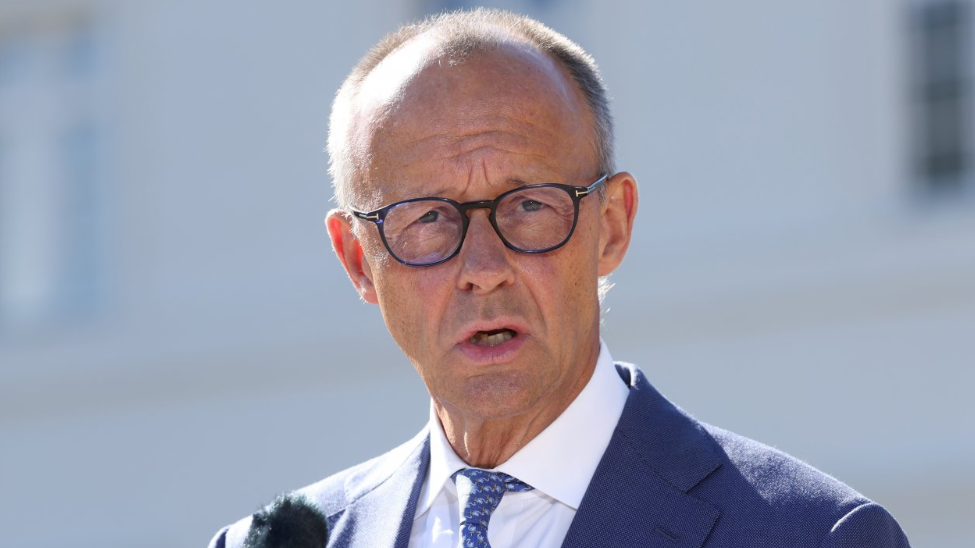
German conservative Chancellor Friedrich Merz, already under pressure, faces an uncertain future if the AfD strengthens its foothold. The upcoming election weekend is therefore not just about regional power but a barometer for Germany’s political direction.