In brief
Saturday’s looting and vandalism erupted into a national debate over who induced France’s turmoil. Police and officials point to far-left activists, while students and civil society voice frustration over political blame. The incident has sharpened the political divide ahead of the 2027 election, with parties vying to use the unrest to their advantage. Meanwhile, ordinary citizens call for a clear distinction between peaceful protest and actual violence.
Last week’s widespread looting and vandalism turned France into a frayed stage of political accusations. The prime minister, interior ministers and opposition leaders point fingers at far‑left groups, while students and ordinary citizens push back against what they see as scapegoating.
The Chaos Unfolds
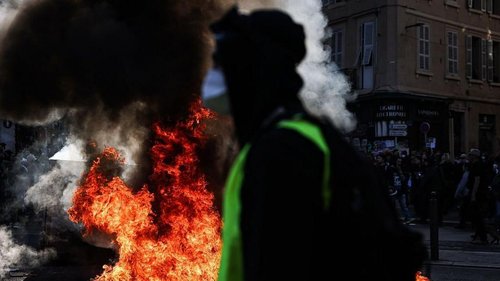
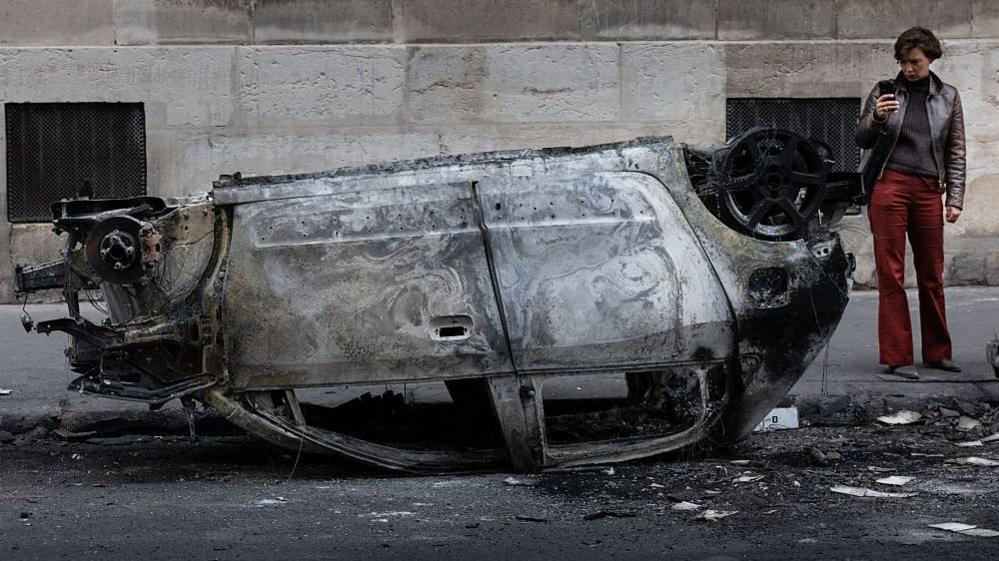
The violence began in the heart of Paris and spread to other cities. Over 3,000 shops were looted, with images of smashed glass and brand‑name goods made viral on social media. Some “associates” turned to online marketplaces to sell stolen goods, raising concerns about impunity.
Political Finger‑Pointing
Prime Minister Sébastien Lecornu and Interior Minister Laurent Núñez warned of “hard‑left” conspiracies planting the flare. Meanwhile, President Emmanuel Macron demanded accountability and threatened to prosecute those responsible. Opponents, notably from the radical left LFI, rejected any charge of electoral manipulation.
Students Speak Out
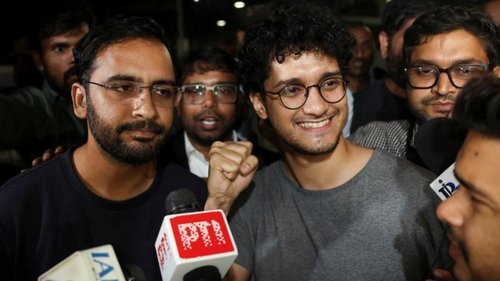
Student union representatives stressed that their protests were organised organically via social media, not by acting on a political agenda. They argue that genuine grievances—capped wages, inadequate public services, rising living costs—have fuelled dissent, rather than a coordinated plan for violence.
Public Frustration Grows
Surveys indicate a sharp rise in discontent, especially among Gen Z. People feel the state is failing to address core issues such as the climate crisis, affordable housing, and job security. As protests spill into neighboring countries, the sense that “the system” lies broken gains traction.