In brief
As US forces engage in ongoing operations, the importance of Combat Search and Rescue (CSAR) missions escalates. Recent incidents, such as the reported rescue of a downed F-15 pilot in Iran, underscore the complexity and urgency of these operations. The US Air Force's Pararescue units are specially designed for such missions, operating in hazardous environments where time is of the essence. These elite teams are trained to execute critical rescues, carrying a legacy that stems back to World War I.
Early reports indicate that the pilot of a US F-15 fighter aircraft downed over Iran was rescued—which, if confirmed, would mark yet another chapter in the long history of US combat search-and-rescue missions. According to CBS, the BBC's US partner, the search operation is ongoing deep inside Iran for a second crew member.
Combat Search and Rescue (CSAR) missions rank among the most complex, time-sensitive operations that US and allied militaries face. In the United States, elite Air Force units are specially trained for CSAR and are pre-emptively deployed near conflict zones where aircraft could be lost.
What is Combat Search and Rescue?
Simply put, CSAR missions are military operations aimed at locating, aiding, and potentially rescuing personnel in distress, including downed pilots and isolated troops. Unlike conventional search-and-rescue efforts, which take place during humanitarian operations or after disasters, CSAR missions are conducted in hostile or contested environments—even deep within enemy territory when necessary.
The missions demand rapid execution, as enemy forces are likely operating nearby, attempting to locate the same personnel in peril. Modern CSAR missions typically deploy helicopters, supported by refueling aircraft and other military planes prepared for strikes and patrols.
Recent verified footage from Iran purportedly shows US military helicopters and at least one refueling aircraft active over the Khuzestan province.
The History of CSAR Missions
The tradition of airborne rescue missions dates back to World War I, where pilots conducted impromptu rescues. The first helicopter rescue occurred in WWII, leading to the formation of formal CSAR units post-war, establishing practices that have evolved significantly since then, particularly through the Vietnam War.
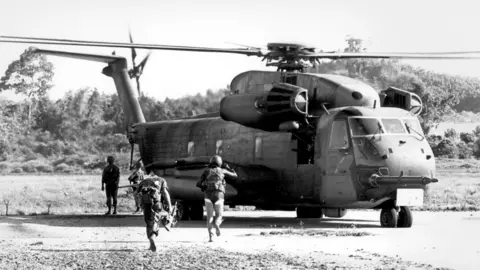
The challenges of CSAR operations were highlighted during the Vietnam War, where missions often resulted in further American casualties. This experience prompted a revolution in tactics and protocols that continue to shape modern CSAR operations.
The US Air Force's Pararescue Teams
While all military branches possess limited CSAR capabilities, the US Air Force holds primary responsibility for these operations, largely facilitated by Pararescuemen. These personnel are rigorously trained combatants and paramedics, embodying the motto These Things We Do, That Others May Live.
Their exhaustive training pipeline, requiring approximately two years completion, involves parachuting, diving, and intensive survival training, alongside advanced battlefield medical techniques and weaponry courses. Historically, around 80% of candidates wash out during this process, reflecting its military rigor.
Recent missions signal the continued relevance of Pararescue teams, which have conducted thousands of operations throughout Iraq and Afghanistan. Notably, an incident in 2005, later adapted into the film Lone Survivor, highlighted the critical nature of these teams in high-stakes environments.