In brief
After five years of turmoil since the military coup against Aung San Suu Kyi's government, General Min Aung Hlaing will be appointed president by a parliament dominantly composed of his supporters. Despite his claims of returning to civilian rule, analysts and citizens alike fear little will change in a nation ravaged by conflict and economic collapse.
Just seven days after he made the fateful decision to launch his coup against the elected government of Aung San Suu Kyi on 1 February 2021, General Min Aung Hlaing made a promise; to hold elections and return to civilian rule within a year.
It has taken him five years to fulfill that promise. Today, the newly-elected parliament will choose him to be the next president. Min Aung Hlaing has already stepped down as armed forces commander, as required by the constitution before he can take the post of president.
But this is civilian rule in name only. The parliament, sitting for the first time since the coup, is filled with his loyalists. With the armed forces guaranteed one quarter of the seats and the military's own party, the USDP, winning nearly 80% of the remaining seats in an election that was heavily tilted in its favor, this was a preordained outcome. More of a coronation than an election.
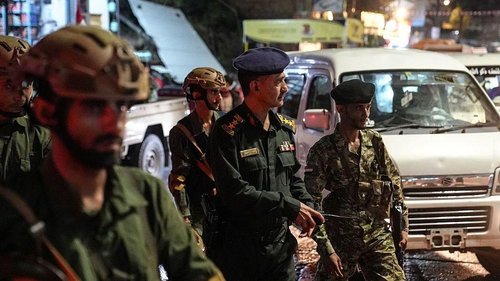
Military men are also likely to dominate the new government when it is formed. Min Aung Hlaing has ensured that a staunch ally, General Ye Win Oo, a hardliner with a reputation for brutality, replaces him at the head of the armed forces. He has also created a new consultative council that will exercise paramount authority over civilian and military affairs, ensuring that by taking off his uniform, he does not dilute his power.
For young activists like Kyaw Win—not his real name—all hope of change has gone. As a student, he was arrested for taking part in a flash mob protest against the coup in 2022 and tortured for a week, before being jailed. He was only recently released. They beat me on my back with an iron rod... They interrogated me, but it was never clear what they wanted me to say, he recounted.
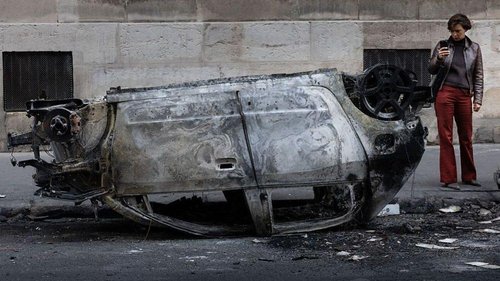
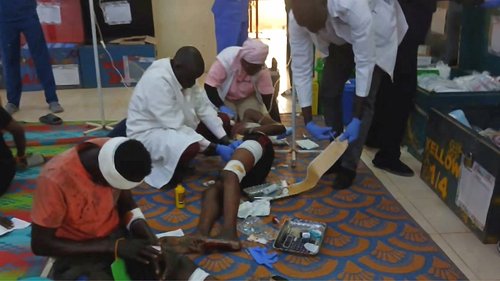
Min Aung Hlaing's rule has resulted in a civil war that has killed thousands and displaced millions, with the military responding to opposition-inhabited areas with violent force. A recent devastating blow to the economy has resulted in over 16 million people in need of life-saving assistance.
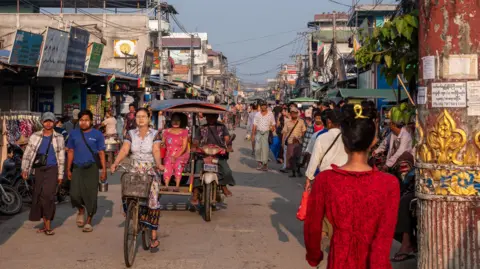
As fuel supplies dwindle and everyday life grows increasingly difficult, Myanmar's citizens express doubts about the capabilities of the new regime to uplift their dire circumstances. Mya Aye, a veteran political activist, warns that progressive change can only arise from compromises between the military and its many opponents, yet the military appears disinclined to pursue this path.
The tragic reality is that even with a change in leadership, the country remains trapped within the oppressive embrace of military rule, severely affecting the lives of everyday citizens.