In brief
General Min Aung Hlaing, the military leader behind Myanmar's coup, has been designated president by a parliament filled with military loyalists. This transition poses significant implications for the ongoing civil war, with military control still prominent and tensions between the ruling junta and opposition groups continuing to escalate. Citizens express skepticism over changes while facing a deteriorating economy and humanitarian crisis.
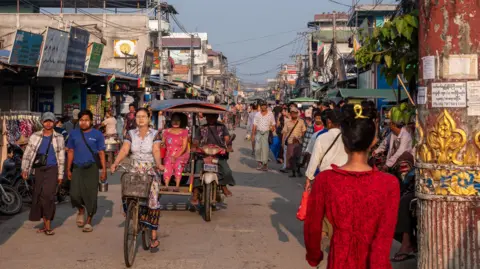
Just seven days after he made the fateful decision to launch his coup against the elected government of Aung San Suu Kyi on 1 February 2021, General Min Aung Hlaing promised to hold elections and return to civilian rule within a year. It took him five years to fulfill that promise. Recently, the newly-elected parliament selected him as the next president. Min Aung Hlaing has resigned as armed forces commander, complying with constitutional requirements before assuming the presidency, but many see this as civilian rule in name only.The parliament, convening for the first time since the coup, is predominantly comprised of his loyalists, with the military guaranteed a quarter of the seats and the military's party winning nearly 80% of the remaining seats in a heavily skewed election. This outcome was seen more as a coronation than a democratic election.Plans for a new government suggest that military influence will remain strong under the newly elected president. Min Aung Hlaing appointed General Ye Win Oo, known for his hardline reputation, as the new armed forces commander, reinforcing the military's grip on power.Reports indicate that a newly formed consultative council will oversee both civilian and military affairs further consolidating Min Aung Hlaing’s authority as he transitions to a civilian role.Activists in Myanmar express despair over the election's implications. They feel any glimmer of hope for change is extinguished, citing a history of brutal treatment and repression from the military. The impact of the coup has triggered a catastrophic civil conflict, resulting in thousands of deaths and millions displaced. The military's strategy includes severe actions against communities supporting insurgent groups, often leading to the destruction of villages, schools, and hospitals.The impact on Myanmar's economy has been devastating, with over 16 million people now in urgent need of assistance due to ongoing conflict and rising inflation rates. Fuel shortages, exacerbated by external conflicts, have further collapsed living standards, with citizens expressing pessimism over the new government's ability to address their needs. Amidst this turmoil, a call for dialogue and negotiation rises from some members of the opposition, emphasizing that the current situation leads to collective suffering and potential collapse if not addressed. However, the military's path under Min Aung Hlaing appears unwavering and focused on maintaining control rather than pursuing a genuine democratic process.