In brief
Iranians are facing deepening despair after a month of conflict, marked by sleepless nights and economic struggles. Citizens describe panic from bombings, loss of jobs, and soaring food prices, while fearing for their safety amidst government crackdowns. Their stories reflect a nation teetering on the brink of crisis and potential unrest.
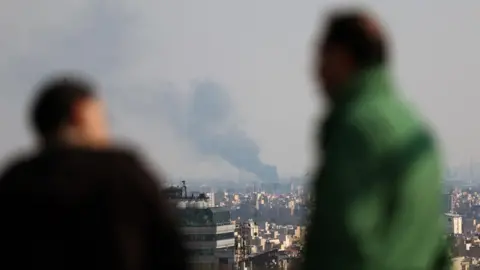
Until that moment the war was something happening in other parts of Tehran. It had not touched the lives of Setareh and her colleagues. Then she heard an ominous noise and vibrations reached into the office. She called out to her workmates: I think it's a bomb. They left their desks and climbed the stairs to the roof of the building. We saw smoke rising into the sky, but we didn't know what place had been targeted, she recalls. After that, everyone working in the company panicked. People were shouting and screaming and running away. For one to two hours the situation stayed like that complete chaos. That same day her boss shut the business and laid off his staff. Now the nightly bombing has stolen her ability to sleep naturally. I can honestly say I haven't slept for several nights and days in a row. I try to relax by taking very strong painkillers so I can sleep. The anxiety is so intense that it has affected my body. When I think about the future and imagine those conditions, I truly don't know what to do. Setareh describes mounting desperation as people run out of resources to survive. We cannot afford even basic food. What's in our pockets does not match market prices. The war has compounded the economic crisis in Iran, exacerbating the already skyrocketing food prices that had increased by 60% last year. The shortage is not yet widespread, but it is starting, says Tina, a nurse concerned about medicine shortages. The patients, including the casualties of airstrikes, paint a troubling picture of the humanitarian crisis arising from this conflict. Iranians are in a precarious position, fearing the continuing violence and potential regime crackdowns. I will not heal until the day we are free and in a free world.% One month into the war, the specter of further turmoil looms large over Iran, with escalating fears that the conflict will only deepen.