In brief
The world's most ambitious census has begun in India, aiming to gather detailed demographic information from over 1.4 billion people for the first time in more than a decade. This extensive two-phase project will involve over three million officials and includes questions on housing, internet access, and marital status, along with a politically sensitive caste enumeration. This census is crucial for shaping future policies in the world's most populous nation.
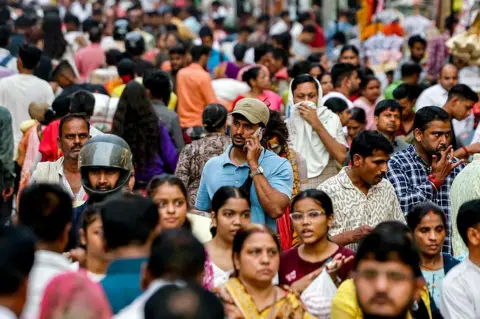
India has begun its mammoth census initiative, a monumental task that involves questioning over one billion citizens regarding 33 crucial parameters. The government has initiated the first census in fifteen years, with the last exercise occurring in 2011. The two-phase enumeration will deploy more than three million officials across the country to ensure that everyone is counted. Key topics in the census will address not just basic demographic information, but also aspects like housing conditions and access to technology, particularly the internet. For the first time, the process will incorporate digital tools, with enumerators using mobile apps and a self-enumeration option allowing citizens to report their details online in 16 different languages. Collecting accurate data is vital for India's policy-making and socio-economic planning, especially given the evolving nature of its demographic landscape. The first phase, focusing on housing, will run from April 1 to May 15, 2026, while the second phase will occur in February 2027, including a census of castes, a contentious issue in Indian politics. With India now proclaimed the world's most populous nation, overtaking China with 1.4 billion individuals, the census is not just about counting heads; it represents a critical touchpoint for addressing the country’s social contracts, welfare schemes, and future demographic research.