In brief
After a year's hiatus due to controversy surrounding a joke made during his popular show, comedian Samay Raina re-emerges with a new YouTube special titled 'Still Alive.' Through humor, he reflects on the challenges of maintaining identity in the volatile landscape of online fame, blending self-deprecation with poignant insights into today's comedy scene. Raina's journey illustrates the evolving nature of comedy in India and the delicate balance comedians must navigate with their audiences.
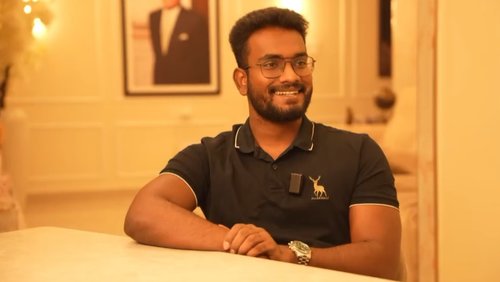
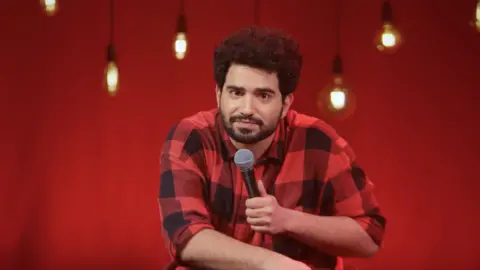
In an Indian city, an unassuming, slightly rumpled comedian walks into the spotlight for the first time in months. Tousle-haired and clad in a checked shirt, Samay Raina half smiles on stage, as if a punchline is already poised at the edge of his lips. The audience laughs even before he begins speaking.Until a year ago, Raina was at the top of India's burgeoning comedy scene, boasting millions of views online and sold-out shows across India and beyond. His flagship YouTube show, India's Got Latent—a ragged, exuberant parody of talent competitions—had become an online phenomenon, blending absurd humor with sharp improvisation to capture the sensibilities of a generation raised on streaming culture.But then, a joke made by a guest on the show triggered an avalanche of backlash. Trouble began after podcaster Ranveer Allahbadia, also known as BeerBiceps, posed a widely criticized question to a contestant. Police complaints alleging obscenity were filed, and as the scandal escalated, Raina’s editor was arrested and he found himself compelled to take down the entire series. This controversy nearly obliterated his career, pushing him into a long hiatus away from the public eye.Now, at age 29, Raina is back, employing the very medium that derailed him—humor—as a way to reclaim his spotlight. Earlier this week, he released Still Alive, a YouTube stand-up special described by critics as his most personal work to date. The set mingles humor with reflection, tackling his professional hiatus and the unpredictable nature of online fame, illustrating the pressures of building and losing public identity in a digital age.Once known for his brash, unapologetic humor, Raina's act now carries a quiet melancholy, revealing the survival tactics he's acquired through his journey. He jokes, 'I always knew there'd be an FIR against me one day; I just never thought it would be for saying nothing.'Still Alive does not serve as an apology; it is more a reassertion of Raina's voice and his unwavering determination to express himself freely. He highlights the fragile balance of what is now demanded of comedians in India, grappling with an expanding audience that is diverse and quick to judge.Raina illustrates that even amidst controversy and challenges, the desire to entertain and connect through humor remains unyielding. He concludes with a defiant message: 'I'm still here, and I am going to do whatever I want.'