In brief
India has launched its 16th national census, a colossal undertaking expected to last a year, involving more than three million officials. The census seeks to gather vital demographic information, including housing conditions, amenities, fertility rates, and caste data. This marks the first census in over 15 years, providing critical insights for policy and political representation as India continues to evolve into the world's most populous country.
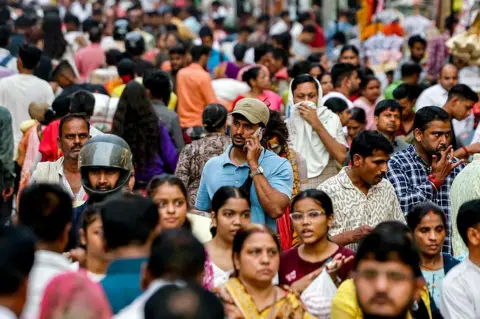
India has officially launched the world's largest census, marking an ambitious exercise to count over a billion people across the nation. This extensive effort, involving more than three million officials, aims to gather crucial demographic information to inform policies and services across India.
The government is set to administer 33 key questions to each household, covering aspects such as housing conditions, Internet access, and marital status. This census marks the 16th occurrence since independence in 1947 and the first since 2011, following delays due to the COVID-19 pandemic and administrative changes.
Significantly, this census will incorporate caste data, which experts assert will play a critical role in addressing inequalities and ensuring representation in policy. India, with its median age of 28, is among the world's youngest nations; about 70% of its population is of working age.
The census will unfold in two phases: the first will document housing and amenities, while the second, set for February 2027, will involve capturing detailed population data. For the first time, the census will also utilize digital apps for data collection, alongside a self-enumeration option for residents to submit their information online.
In its historical context, the Indian census has evolved tremendously from its first rudimentary counts under British rule, advancing to capture the complexities of modern living. The significance of this census extends beyond statistics; it is crucial for the future of India's social welfare and economic policies, as many areas have transformed since the last national count.