In brief
Sharks, the apex predators of the ocean, might face challenges to their survival as rising ocean acidity threatens the structural integrity of their teeth. A study conducted by German scientists indicates that more acidic waters could weaken shark teeth, putting their ecological dominance at risk. While acidification poses numerous threats beyond sharks, including impacts on shellfish and fish populations, it remains crucial to understand how these changes may affect marine ecosystems overall.
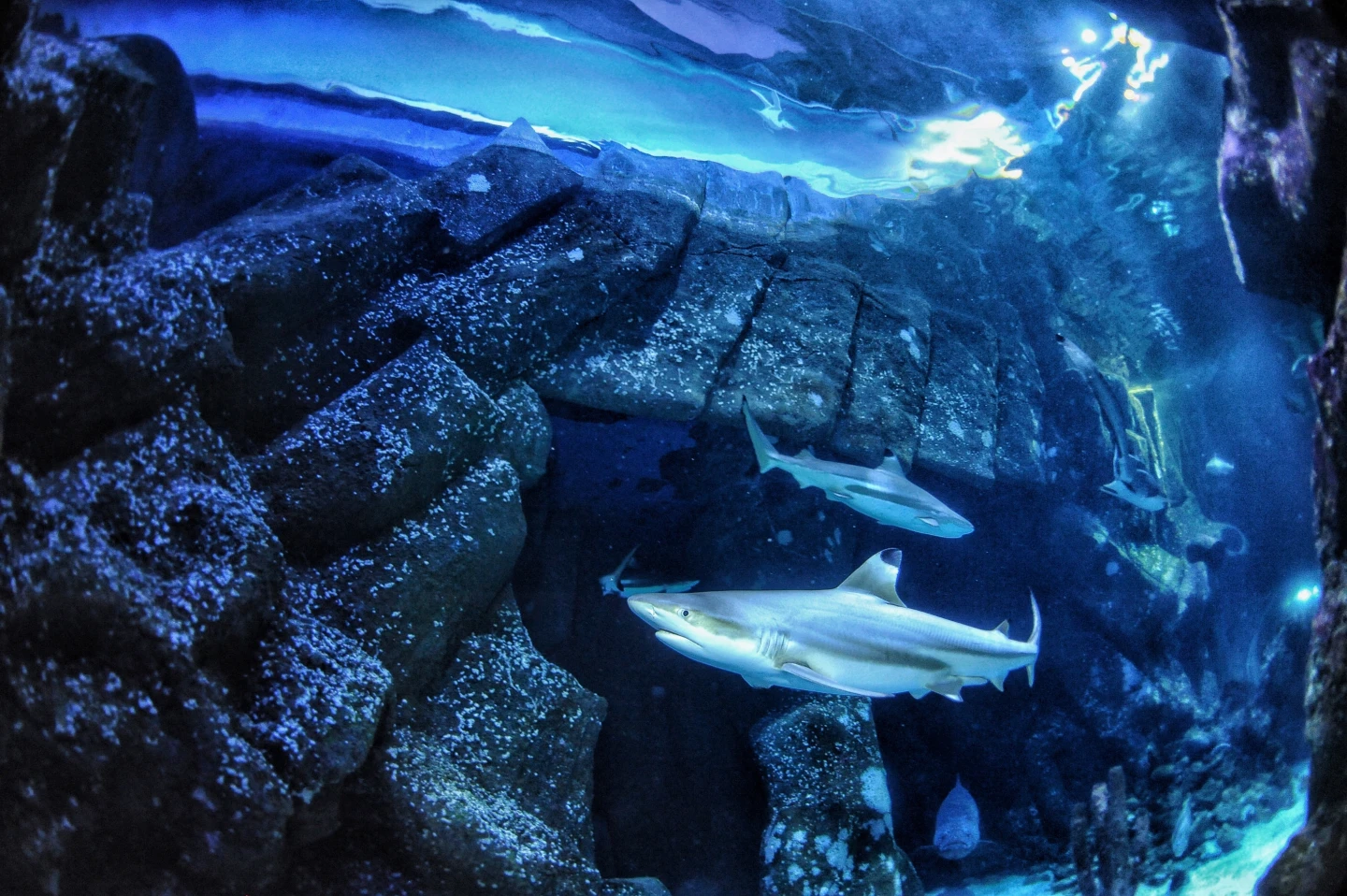
PORTLAND, Maine (AP) — Sharks are the most feared predators in the sea, and their survival relies on the formidable teeth that continuously regrow throughout their lives. However, a recent study by German scientists indicates that changes in ocean chemistry due to human activities, including fossil fuel combustion, could endanger these critical structures.As oceans acidify, the research suggests sharks' teeth may become weaker and more susceptible to damage, potentially altering their predatory status. Lead author and marine biologist Maximilian Baum from Heinrich Heine University Düsseldorf explains that while sharks won't become toothless overnight, the prospect of compromised teeth introduces a new danger for a species already contending with pollution, overfishing, and climate change.The researchers published their findings in the journal Frontiers in Marine Science, emphasizing that ocean acidification arises from increased carbon dioxide absorption, and predicts that ocean acidity could rise significantly by 2300.The study involved analyzing over 600 discarded teeth from blacktip reef sharks, where the teeth exposed to current and projected acidic water showed significant damage, including cracks and structural degradation.While shark teeth are designed for cutting and not for resisting acid exposure, sharks have historically proven resilient, having survived for over 400 million years. Although this study highlights a concerning trend, experts like Nick Whitney point out that sharks' teeth develop in tissue protected from immediate ocean changes, which may afford them time to adapt.The broader implications of ocean acidification extend beyond sharks, posing severe risks to other marine life, particularly shellfish, which struggle to form their shells. Gavin Naylor warns that while sharks face various threats, the consequences of ocean acidification could have wide-reaching effects on marine ecosystems, especially as some shark species edge closer to extinction due to these compounding factors.