In brief
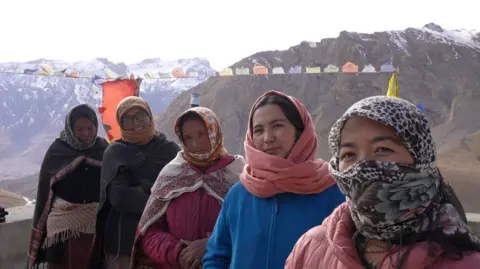
In the harsh landscape of Himachal Pradesh's Spiti Valley, a group of local women has taken on the crucial task of protecting the snow leopard, a species vital to the region's ecosystem. Working alongside conservationists and the local forest department, these women educate the community about the importance of snow leopards and help track their population. Their efforts illustrate a shift in perspective as they transform into stewards of wildlife conservation, ensuring the survival of these majestic predators.
In one of India's coldest and most remote regions, a group of women have taken on an unlikely role: protecting one of Asia's most elusive predators, the snow leopard. Found in just 12 countries across Central and South Asia, this majestic animal is crucial to maintaining the region's fragile ecosystem. India is home to one of the largest populations of snow leopards, and their presence is particularly notable in the Spiti Valley.Historically, local communities viewed snow leopards as livestock threats, but perspectives are changing as awareness of their ecological role grows. In Kibber village, nearly a dozen women, known as 'Shenmo', collaborate with the Himachal Pradesh forest department to monitor and protect snow leopards. They are trained to set up camera traps, a pivotal method for gathering data on this elusive feline.As these women collect vital information for snow leopard surveys, they contribute significantly to wider conservation methods. Not only do they help safeguard the species, but they also assist residents in accessing government programs for livestock insurance and promote protective measures against predation.Their work has improved community views of snow leopards, with residents now recognizing their importance in the ecosystem. 'Earlier, we thought the snow leopard was our enemy,' says Dolma Zangmo, highlighting the transformative effect of these women on local attitudes. As the climate changes and ecosystems face new challenges, the role of community involvement becomes ever more significant in conserving wildlife such as the snow leopard.