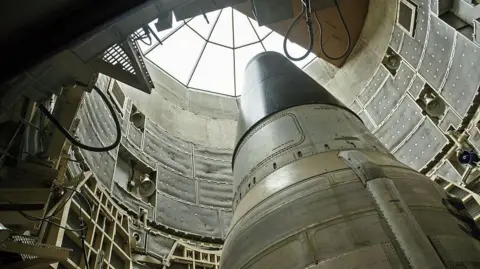
The last nuclear weapons control treaty between the US and Russia is due to expire on Thursday, raising fears of a new arms race. The Strategic Arms Reduction Treaty, known as New START and signed in 2010, was one of a few agreements designed to help prevent a catastrophic nuclear war.
The treaty capped the number of deployed strategic nuclear warheads for each party to 1,550. It also established some transparency measures such as data transfer, notifications, and on-site inspections. Its expiry effectively marks an end to the arms control cooperation between Washington and Moscow that helped bring about the conclusion of the Cold War.
In a recent statement, Pope Leo urged the US and Russia to renew the treaty, citing the pressing global situation as a reason to avoid a renewed arms race. The original START treaty, signed in 1991, prohibited the signatories from deploying more than 6,000 nuclear warheads. It was succeeded by New START, and despite a technical suspension three years ago, both nations were believed to abide by its terms until now.
The expiration of New START follows a worrying pattern, as other longstanding arms control agreements have also ceased to exist, including:
- The Intermediate-Range Nuclear Forces Agreement, which eliminated the deployment of shorter-range nuclear weapons in Europe.
- The Open Skies Treaty, which permitted unarmed reconnaissance flights over each other's territories.
- The Conventional Armed Forces in Europe Treaty, which limited the numbers of tanks and artillery systems both Russia and NATO forces could deploy in Europe.
Admiral Sir Tony Radakin, the former head of the British armed forces, has voiced concerns that the frameworks maintaining global security could unravel. Meanwhile, Russia's Dmitry Medvedev emphasized the alarming implications of the treaty's expiration, especially given his previous nuclear rhetoric.
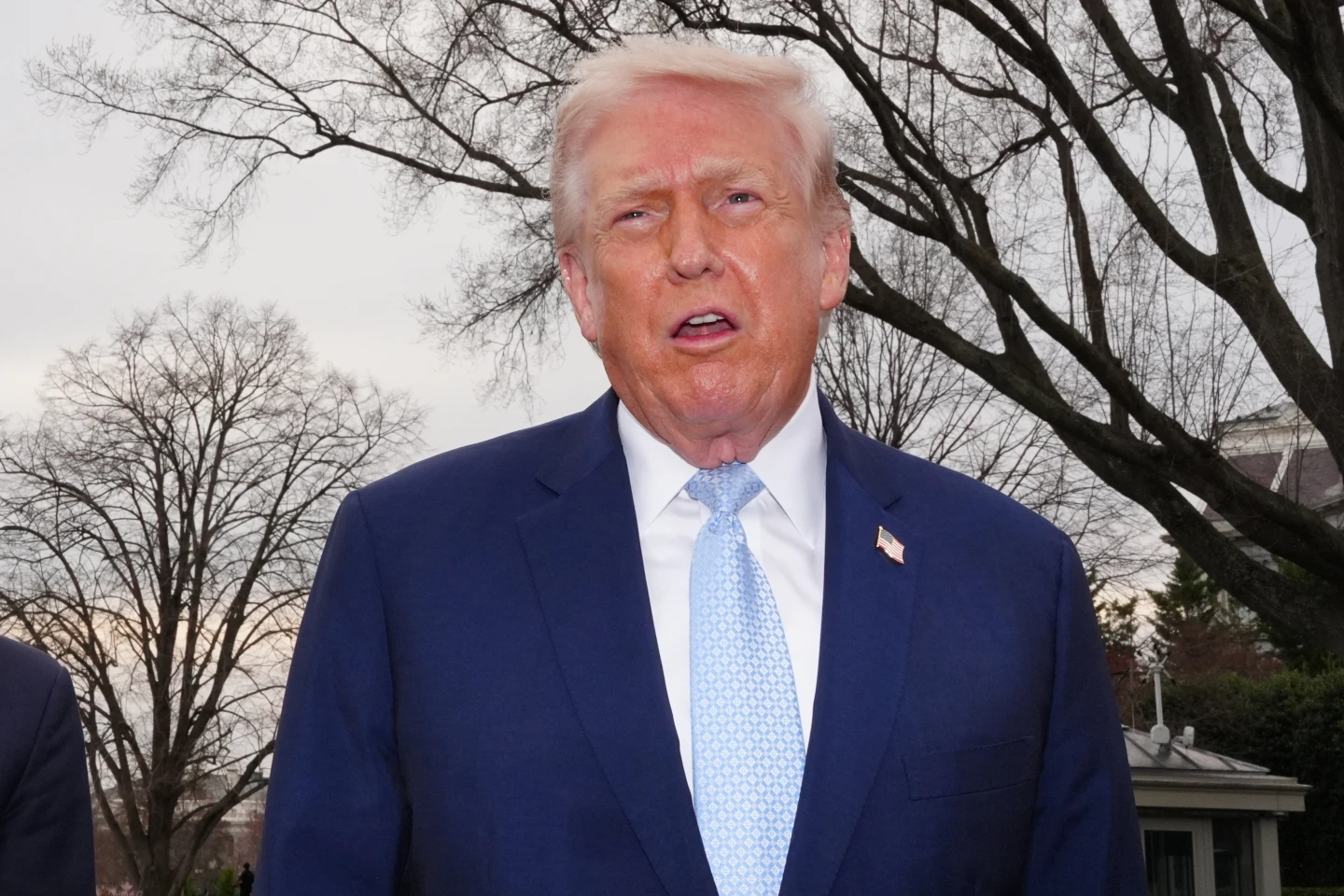
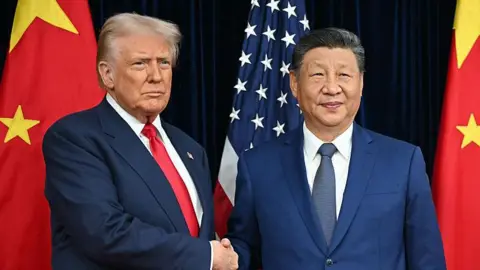
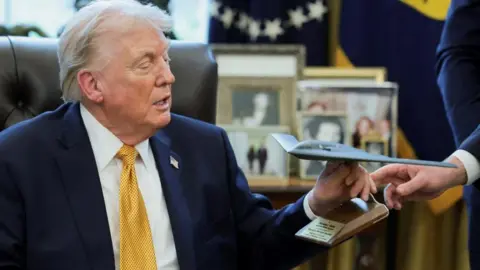
US President Donald Trump has expressed a more cavalier attitude towards the situation, asserting that if the treaty expires, a better agreement could be negotiated later. The possibility of including China, which is expanding its nuclear capabilities, has been floated by Washington, while Russia advocates for the inclusion of France and the UK in any future agreements.
As both nations continue to modernize their nuclear arsenals, experts warn that the current trajectory indicates a new arms race may be imminent. The ongoing development of advanced military capabilities, including hypersonic missiles and new weapon systems, complicates the prospect of reaching a new arms control agreement. With no urgency from either side to devise a new treaty, the expiration of New START signals the onset of a more volatile and dangerous era in global security.
The treaty capped the number of deployed strategic nuclear warheads for each party to 1,550. It also established some transparency measures such as data transfer, notifications, and on-site inspections. Its expiry effectively marks an end to the arms control cooperation between Washington and Moscow that helped bring about the conclusion of the Cold War.
In a recent statement, Pope Leo urged the US and Russia to renew the treaty, citing the pressing global situation as a reason to avoid a renewed arms race. The original START treaty, signed in 1991, prohibited the signatories from deploying more than 6,000 nuclear warheads. It was succeeded by New START, and despite a technical suspension three years ago, both nations were believed to abide by its terms until now.
The expiration of New START follows a worrying pattern, as other longstanding arms control agreements have also ceased to exist, including:
- The Intermediate-Range Nuclear Forces Agreement, which eliminated the deployment of shorter-range nuclear weapons in Europe.
- The Open Skies Treaty, which permitted unarmed reconnaissance flights over each other's territories.
- The Conventional Armed Forces in Europe Treaty, which limited the numbers of tanks and artillery systems both Russia and NATO forces could deploy in Europe.
Admiral Sir Tony Radakin, the former head of the British armed forces, has voiced concerns that the frameworks maintaining global security could unravel. Meanwhile, Russia's Dmitry Medvedev emphasized the alarming implications of the treaty's expiration, especially given his previous nuclear rhetoric.
US President Donald Trump has expressed a more cavalier attitude towards the situation, asserting that if the treaty expires, a better agreement could be negotiated later. The possibility of including China, which is expanding its nuclear capabilities, has been floated by Washington, while Russia advocates for the inclusion of France and the UK in any future agreements.
As both nations continue to modernize their nuclear arsenals, experts warn that the current trajectory indicates a new arms race may be imminent. The ongoing development of advanced military capabilities, including hypersonic missiles and new weapon systems, complicates the prospect of reaching a new arms control agreement. With no urgency from either side to devise a new treaty, the expiration of New START signals the onset of a more volatile and dangerous era in global security.