Hurricane Isaias Converted to Post‑Tropical Cyclone After Florida Landfall
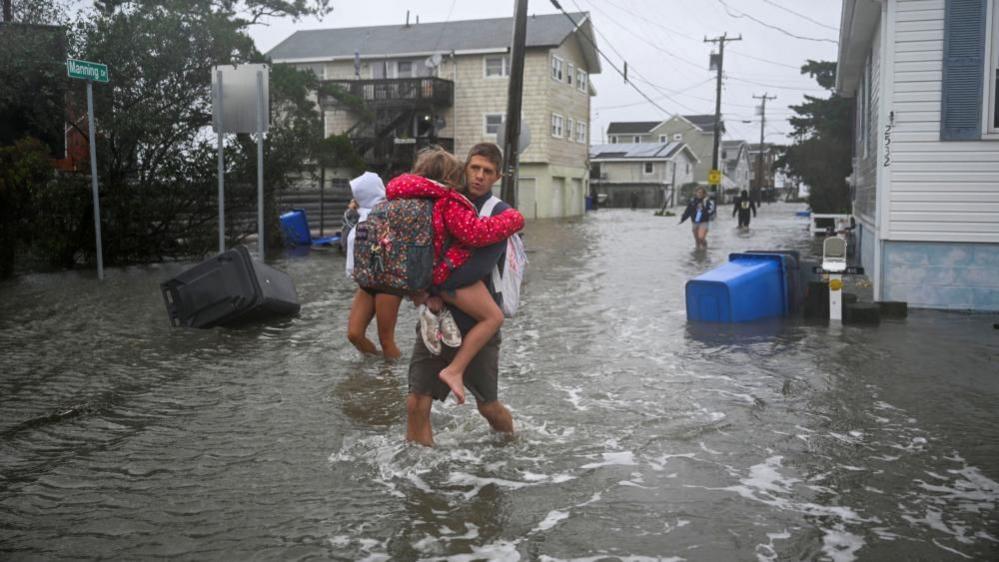
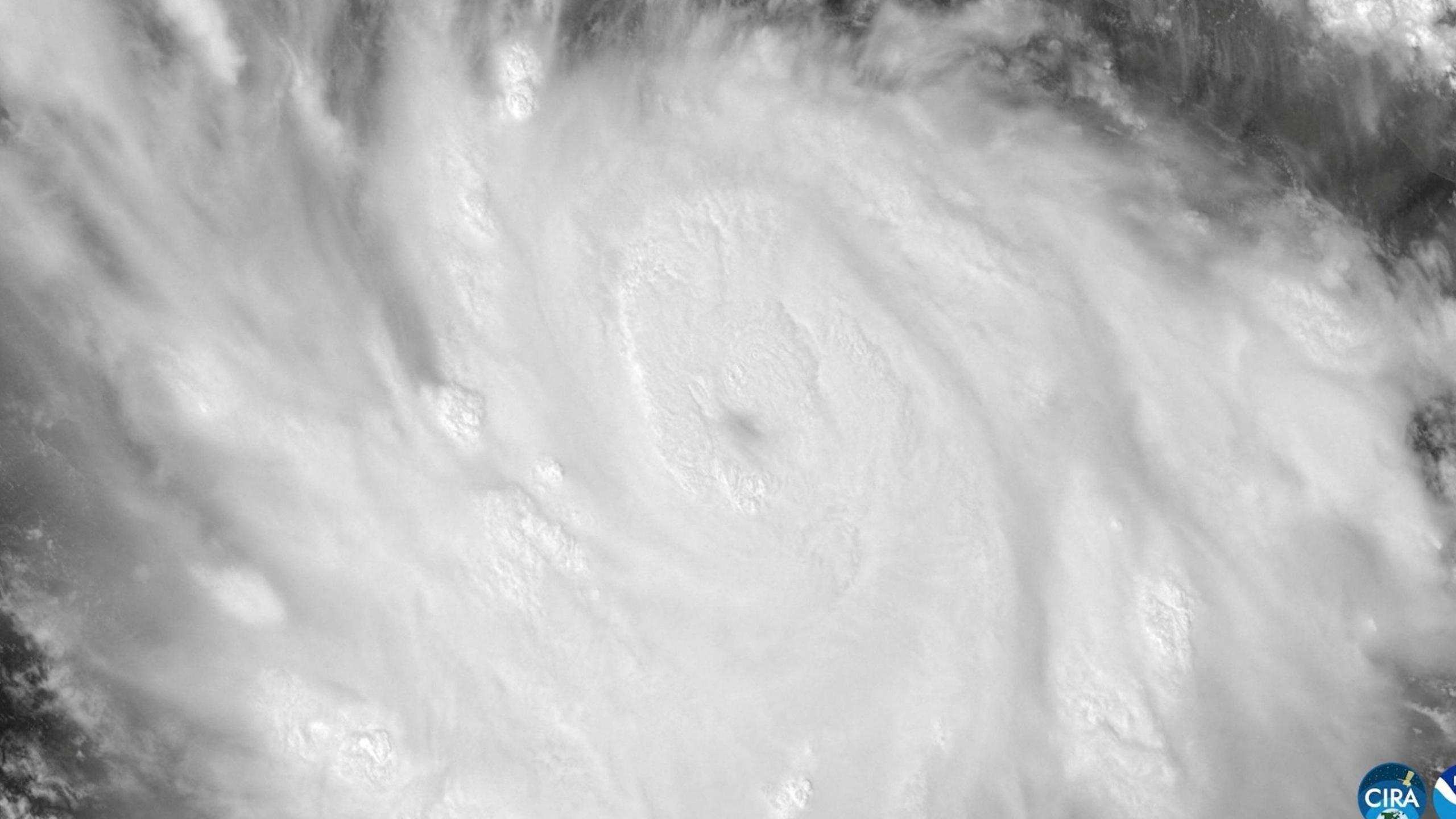
Hurricane Isaias was downgraded to a post‑tropical cyclone the day after it slammed into Florida’s northern Gulf Coast, bringing heavy rain and powerful winds that left widespread damage and power cuts.
Despite its downgrade, the system is still racing across the southeastern United States, with hurricane‑force winds stretching up to 35 miles from the centre and tropical‑storm force gusts reaching 205 miles.
State emergencies are in place in all three states affected. Hundreds of thousands of households in Florida, Alabama and Georgia have lost electricity, with Florida reporting over 400,000 customers dark, Alabama around 300,000 and Georgia more than 100,000.
Florida Governor Rick Scott and Alabama Governor Kay Ivey have issued mandatory evacuations for residents in high‑risk counties. President‑sized emergency approvals have also been granted by Homeland Security Secretary Markwayne Mullin to ensure federal resources are available.
The National Hurricane Center warned of a life‑threatening storm surge before the landfall, but all formal warnings were lifted late Saturday as the cyclone was no longer a hurricane.
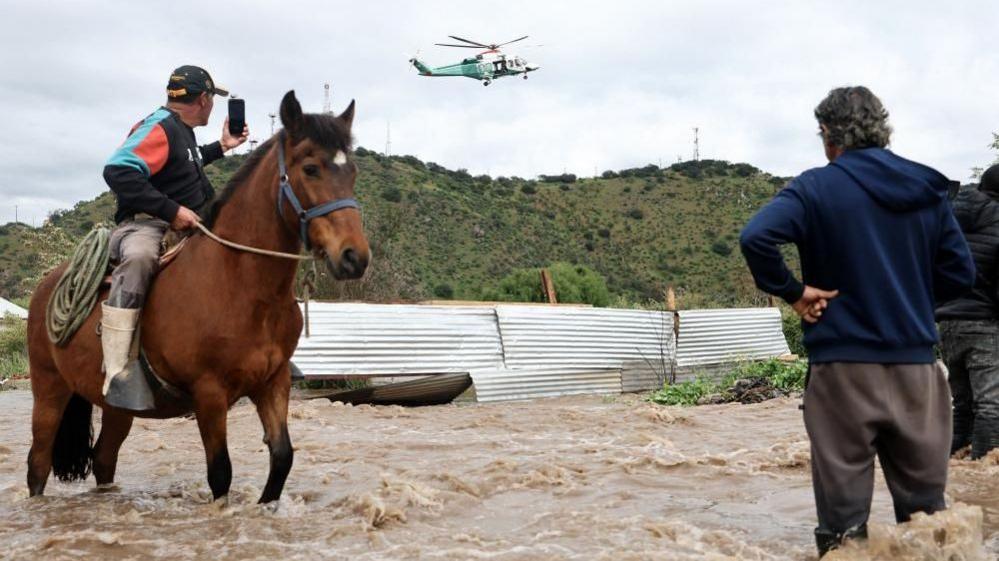
Residents are taking precautions: Penangans like John Guoth have secured boats and brought livestock indoors, while shops in Gulf Breeze are boarding up windows to protect against battering winds.
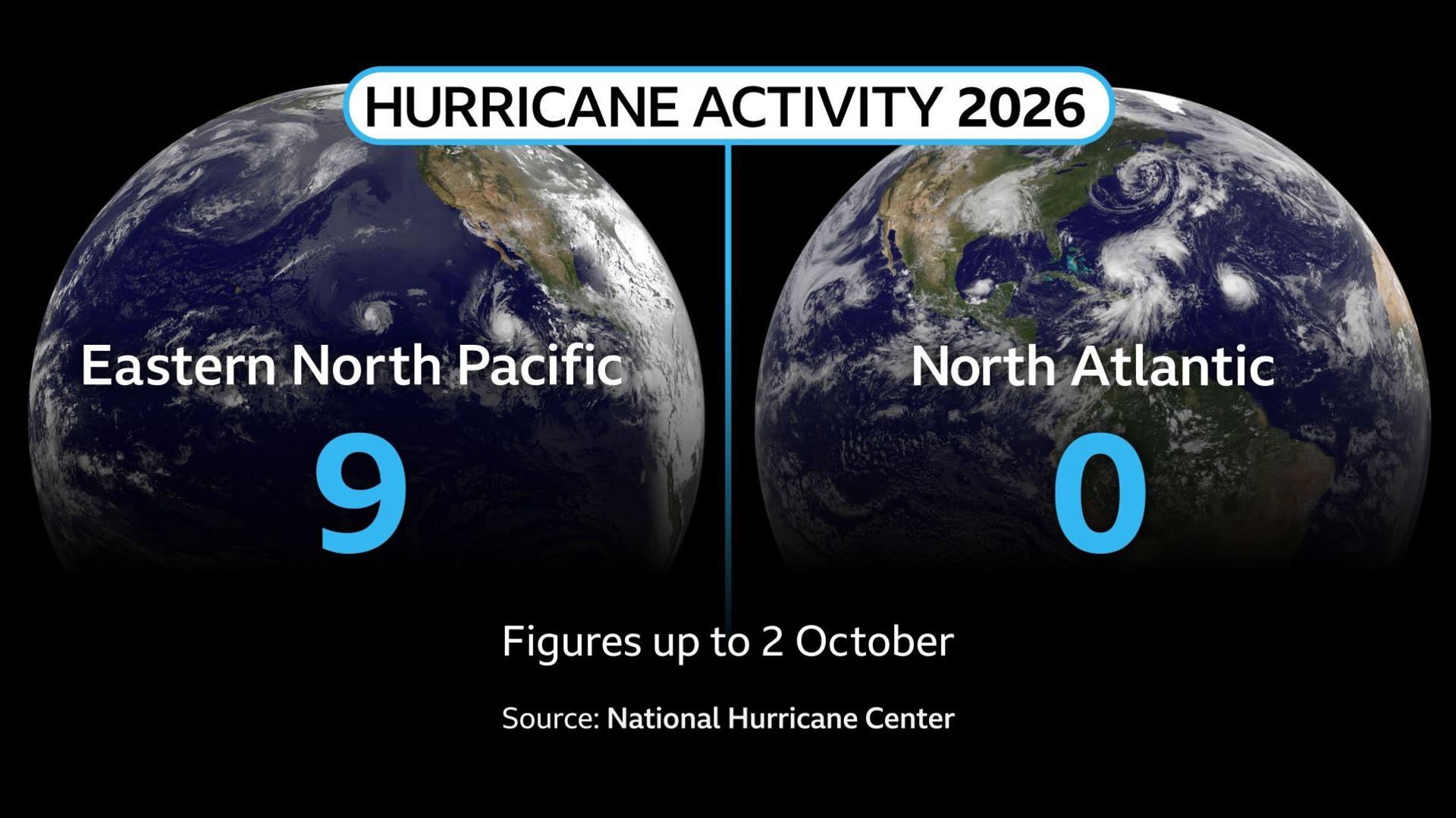
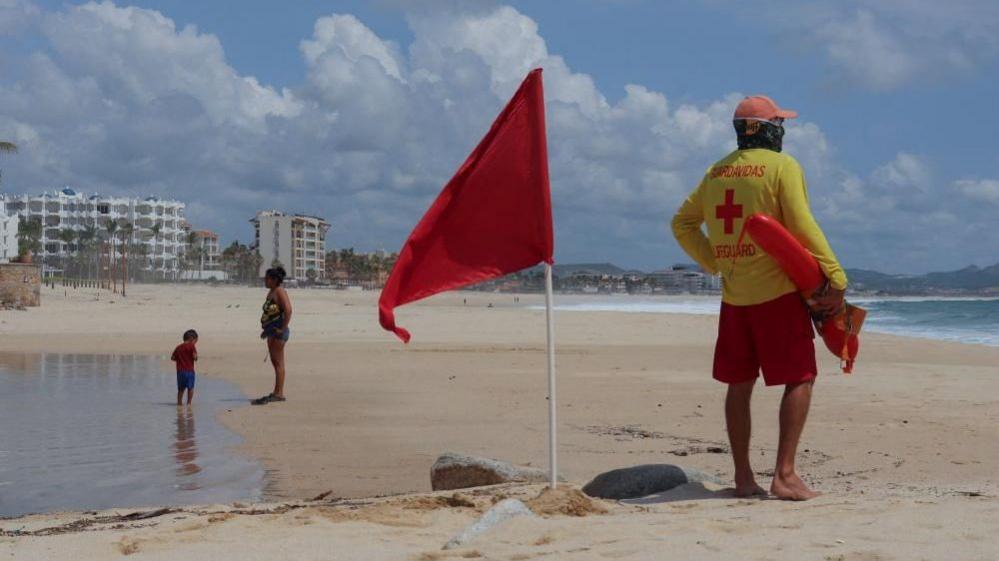
The broader weather picture is tense. Hurricane Simon is eyeing Mexico’s Pacific coast and could reach Category 4 by Saturday, while Tropical Storm Rachel is already influencing high tides and flooding in southern California.
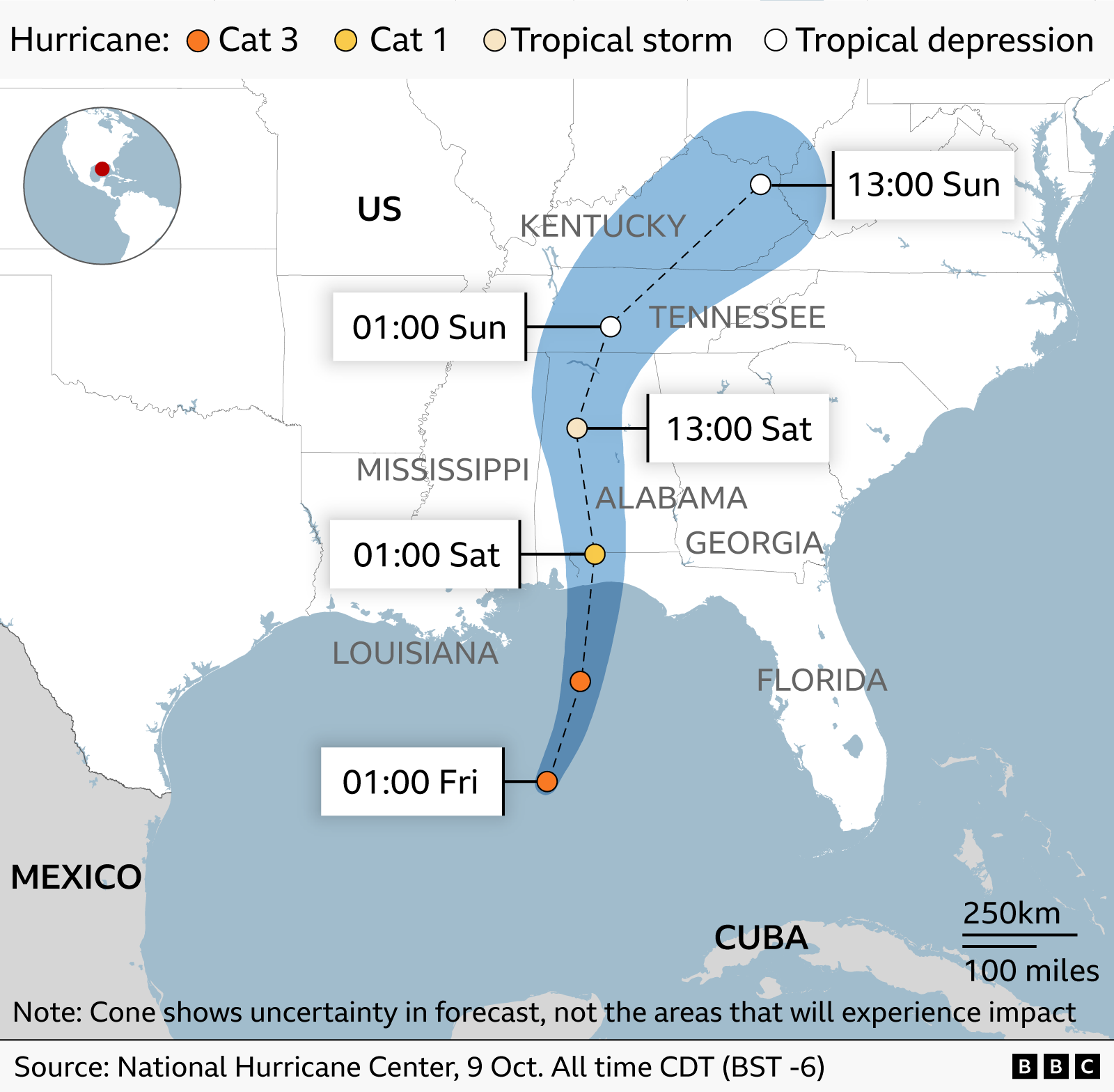
Officials in locations along the hurricane’s projected path urge residents to stay alert, avoid flooded roads, and heed any local evacuation orders. The post‑tropical cyclone is expected to cross Alabama and head into the Tennessee Valley over the coming days, at which point it could still bring significant wind and wave damage.