In brief
Saudi Arabia has recorded 347 executions this year, surpassing last year's total of 345, marking the deadliest year since monitoring began. Most of these executions are linked to non-lethal drug offenses, prompting human rights organizations to condemn the kingdom's practices and call for reform. Among the executed were foreign nationals, minors, and a journalist, highlighting the severe implications for human rights under Mohammed bin Salman's rule.
Saudi Arabia has surpassed its record for the number of executions carried out annually for a second year in a row.
At least 347 individuals have now been executed in 2025, up from a total of 345 in the previous year, according to Reprieve, a UK-based campaign group monitoring executions in the kingdom.
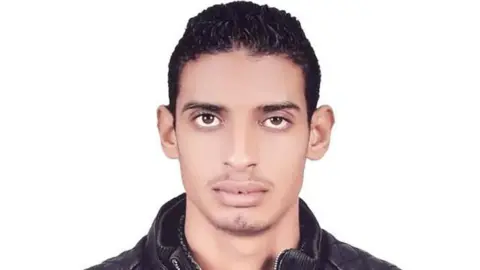
This year has been labeled the 'bloodiest year of executions' since tracking began. Among those executed were two Pakistani nationals for drug-related offenses, as well as a journalist and two young men convicted for crimes committed when they were minors.
The UN has criticized these practices, stating they are 'incompatible with international norms'. Disturbingly, around two-thirds of the executions stemmed from non-lethal drug-related convictions. Distressingly, many executed individuals were foreign nationals.
Jeed Basyouni, head of death penalty for the Middle East and North Africa at Reprieve, expressed concerns about the lack of accountability in Saudi Arabia's justice system, describing the use of torture and forced confessions as endemic.
The de facto ruler of Saudi Arabia, Crown Prince Mohammed bin Salman, has implemented social reforms while maintaining a notorious record of human rights violations. His administration continues to face global condemnation over the high rate of executions and its disregard for international human rights.
Amnesty International and Human Rights Watch have called for an immediate moratorium on the death penalty, pressing for reforms to protect legal rights for defendants and compliance with international standards.
In a stark summary of the ongoing crisis, a relative of a death row inmate described the atmosphere of fear, stating that families now live in terror of sudden executions, underscoring the human cost of the Saudi government's hardline policies.