In brief
Two prominent members of India’s Gen Z‑led Cockroach Janta Party (CJP) were freed from Tihar jail a week after a magistrate ordered their release following a brief detention for trespassing at Jantar Mantar. The leaders, Saurav Das and Ashutosh Ranka, had crossed barricades at the venue after it was removed from the official list of protest grounds. They have long criticized the election commissioner, claiming manipulation of voter rolls to favour the ruling BJP, a charge the commission rejects. The CJP, which began as a viral internet joke, grew into a youth‑centric movement focused on electoral reform. Their sudden release has amplified media attention on the growing political dissent among Indian youth.
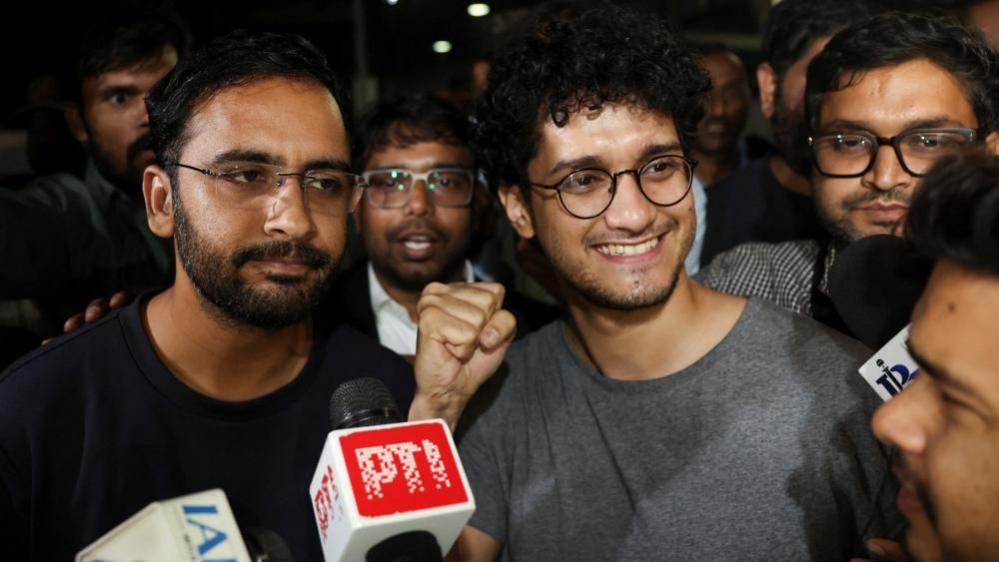
Two prominent members of India’s Gen Z‑led Cockroach Janta Party (CJP) were freed from Tihar jail a week after a magistrate ordered their release from a brief detention following a trespassing incident at the historic Jantar Mantar site.
Saurav Das and Ashutosh Ranka had been arrested after crossing a barricade and climbing over a locked gate at a venue that recently was removed from the government’s list of authorised protest sites. They were held at Tihar for several days before a Special Executive Magistrate granted bail.
The pair have become vocal opponents of Chief Election Commissioner Gyanesh Kumar, accusing him of revising electoral rolls under a court‑ordered exercise known as the Special Intensive Revision (SIR). They claim the move favours Prime Minister Narendra Modi’s ruling Bharatiya Janata Party (BJP), a claim the election commission denies, stating the exercise removes dead and duplicate entries.
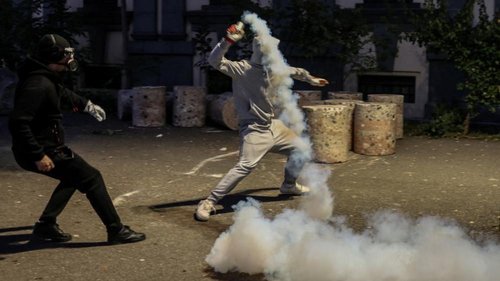
The CJP began in May 2026 as a satirical online community after a top judge likened unemployed youth to cockroaches. Within a few months it had mobilised thousands to protest leaked exam papers and organised a march that ended in clashes with police, drawing national attention. Its latest focus is on electoral fairness, drawing criticism from both opposition parties and mainstream media.
The release of Das and Ranka has reignited discussions about the limits of protest in India’s democratic space and the growing influence of digital grassroots movements in shaping public discourse.