Greek Wildfires: Hundreds Evacuated by Sea as Blaze Ravages Coastal Town
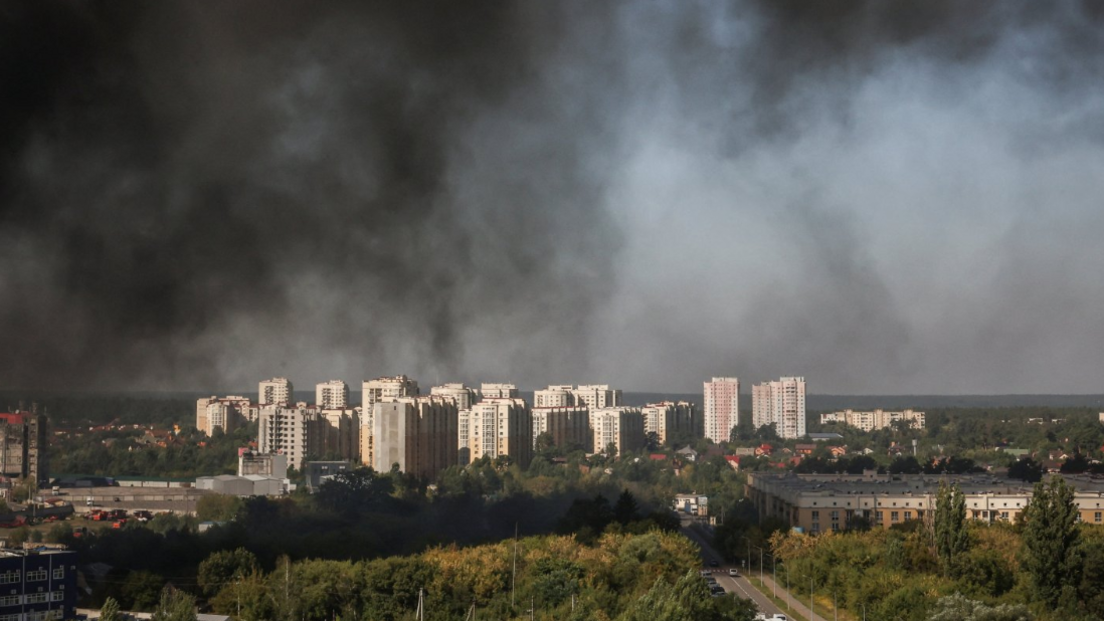
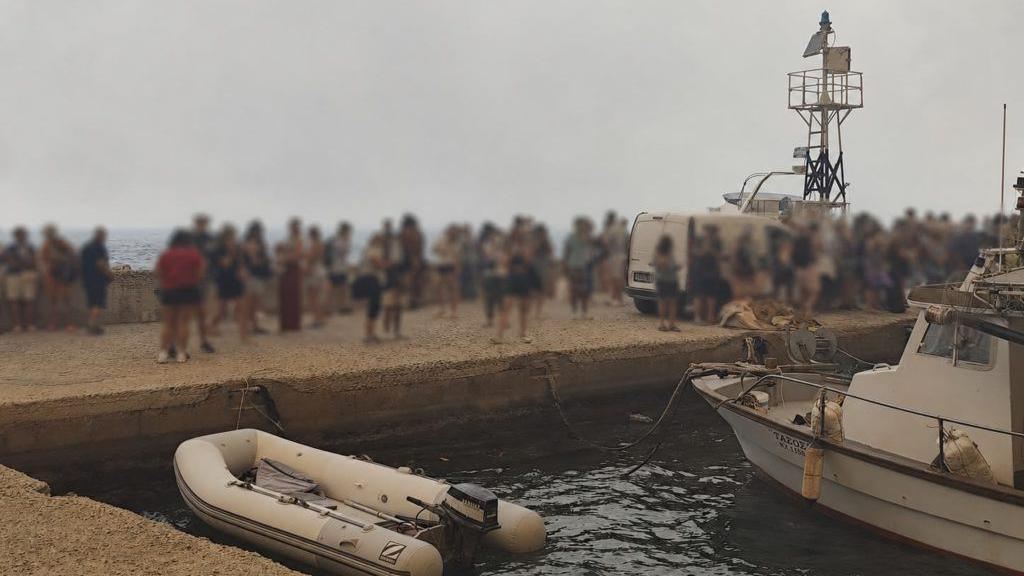
In the early hours of Friday, a wildfire exploded near the coastal village of Agios Vasileios in the Viotia region, forcing around 500 residents – mostly tourists – to be evacuated by boat. The fire spread rapidly under high winds, creating a deadly barrier that left the town surrounded and cut off from the mainland.
Greek firefighters are battling three separate fires along the coast. One of the most intense blazes is on the island of Crete, where thousands of hectares have been scorched and 8,000 people have been temporarily evacuated. Additional fires have ignited on the islands of Paros, Andros and Kalymnos.
Across Europe, power‑generating heatwaves have created optimal conditions for large fires. In Spain, more than 200,000 hectares have burned by early August – five times the average – while Portugal is grappling with a major blaze that has already consumed 15,000 hectares of vineyards and olive groves. Turkey’s Mediterranean coast hosts four active fires, including one near the popular resort of Antalya. Conflicts between strong winds and dry fuels are making these blazes particularly difficult to control.
Most wildfires are sparked by humans, whether intentionally or accidentally. Climate change is increasing the frequency and intensity of these conditions, turning ordinary activities into tinder for massive fires. Authorities warn that the risk of new or rekindled blazes remains high until at least Sunday, as Europe’s temperatures continue to climb.
- Approximately 500 residents evacuated from Agios Vasileios by sea.
- Crete blaze has scorched thousands of hectares and prompted an 8,000‑person evacuation.
- Spain: >200,000 hectares burned — the largest wildfire in the country’s history.
- Portugal: 15,000 hectares of vineyards and olive trees consumed by a single blaze in Valpaços.
- Turkey: Four active fires on the Mediterranean coast, one near Antalya.
- High winds and dry fuels are worsening containment efforts across Europe.