In brief
Spanish officials report 23 sexual assaults—nine involving children—in Ceuta since a mass arrival of migrants in July, equating to almost a daily occurrence. The chief prosecutor highlighted the vulnerability of migrant girls with irregular status and cited a 5,000‑person population still present after many returned. The crisis has sparked violent clashes, prompted a multi‑million euro aid package, and drawn sharp criticism of Prime Minister Pedro Sánchez for his handling of the situation.
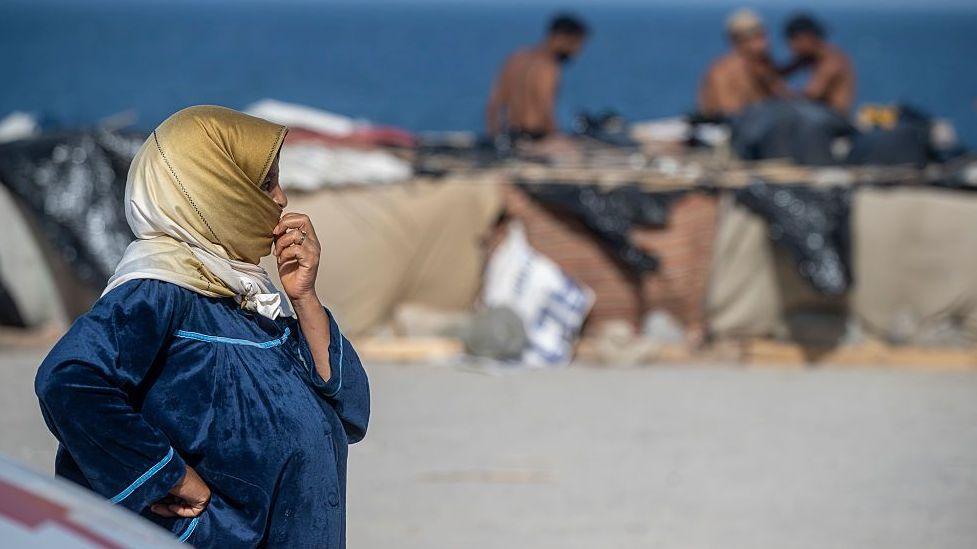
Some 5,000 migrants who entered Ceuta from Morocco are estimated to still be in the Spanish exclave.
Spanish prosecutors have recorded 23 sexual assaults—nine involving children—in Ceuta since the mass influx of migrants at the end of July, equating to almost one case every day.
Chief prosecutor Silvia Rojas warned that girls with irregular status are especially vulnerable, and that many victims have not filed reports because of fear of repercussions.
The influx began with at least 72,000 migrants crossing from Morocco on 30 and 31 July; most have returned, but an estimated 5,000 remain in Ceuta, of whom 1,400 to 1,600 are children.
Suspected attackers include four Moroccans, three Spaniards and a Belgian, according to Efe news.
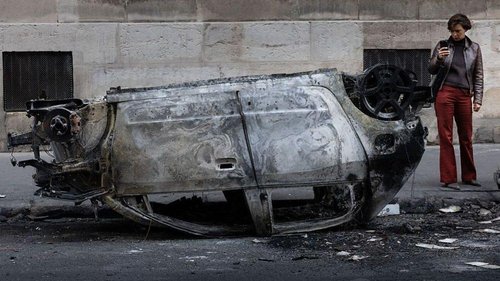
Violence erupted as tensions flared between migrants and local residents.
Prime Minister Pedro Sánchez convened a national security council meeting to address the crisis, while announcing a multi‑million euro aid package to support essential services and care for unaccompanied children.
Local authorities urged Spaniards to demonstrate solidarity in support of Ceuta during its annual holiday, coinciding with heightened criticism of the Spanish government’s handling of the situation, especially from the hard‑right Vox party.
“We cannot do anything unless these people leave,” warned the president of the Ceuta Employers’ Confederation, highlighting the lack of a comprehensive government plan and uncertainty over screening timelines.
In a separate statement, Sánchez said King Felipe VI would visit Ceuta “as soon as conditions allow” to reinforce Spanish authority over the exclave—a visit that may strain diplomatic relations with Morocco, which has a long‑standing claim over Ceuta and Melilla.
Meanwhile, Sánchez has focused on digital disinformation, citing foreign state actors and far‑right movements as potential culprits for stoking the crisis, though both Russia and Israel have denied involvement.
Spanish fact‑checking groups report that social media messages circulated before July’s influx, portraying the border fence as safe, leading to at least 100 deaths trying to cross.