In brief
Malaysia’s 100‑billion‑ringgit project, Forest City, intended to host 700,000 residents, remains largely vacant: only less than 1 % of houses are occupied. In July, police raided 32 premises, arresting 335 people and seizing more than one million ringgit worth of electronics, exposing cryptocurrency investment and love‑scam operations. Experts say the empty, modern infrastructure offers a perfect cover for organised crime, echoing notorious scam centres like Shwe Kokko in Myanmar. The crackdown highlights a growing trend of professionalised syndicates using legal‑appearing developments to launder money and defraud overseas victims.
Forest City: From Luxury Dream to Scam Hot‑Spot
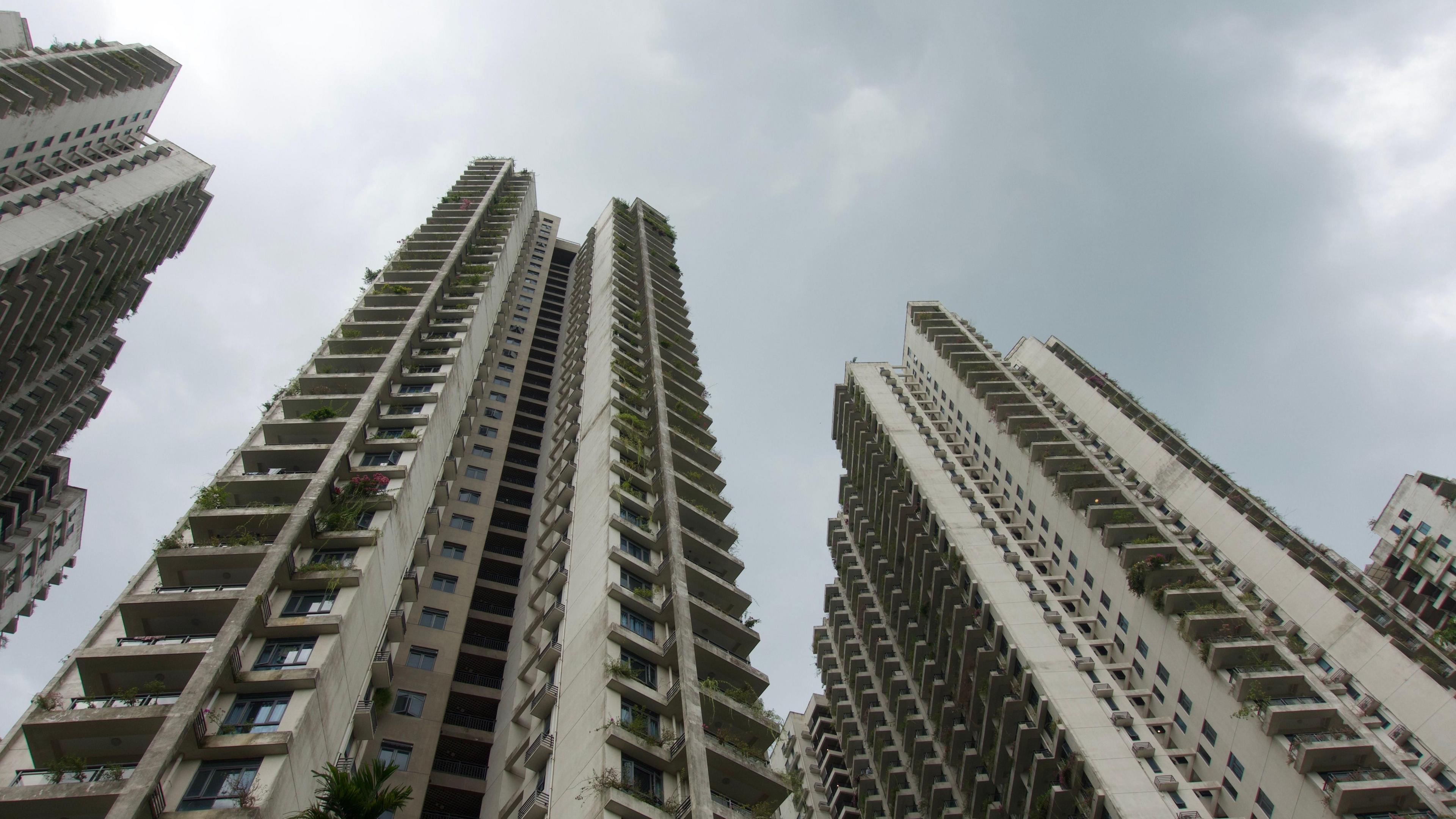
High‑rise apartment blocks on an artificial island off the Malaysian coast look like a 3D‑printed city at a glance. The $100‑billion project was launched in 2016 by Chinese developers to create a special financial zone for a projected 700,000 residents, but today only a few thousand live there.
Rows of vacant towers cast long shadows over quiet streets. Inside empty apartments, dust‑laden windows sit in place of living occupants.
Police raid the empty city
In mid‑July, Johor police seized 32 alleged scam operations across five bungalows and an apartment tower, arresting 335 people and seizing 313 computers, 1,557 mobile phones, 17 laptops and 10 modems—an estimated worth of one million ringgit (£181,810).
The targets: cryptocurrency investment and love scams aimed at victims worldwide. Among those arrested were 309 Chinese nationals, 19 Indonesians, three Malaysians and four Myanmar residents. Police are coordinating with Interpol to track the mastermind behind the network.
Experts call this operation a "ghost city" of crime: vacant buildings provide a cover for a modern infrastructure that appears legitimate, allowing scammers to launder money and recruit workers under threat, a trend evident in places like China’s Belt and Road Initiative sites.
Local residents report that scams are common, yet many ignore the risk: "I don't care; it is not my business," says a Forest City tenant. Others, who moved into the development for lower prices, note increasing activity, with occasional police action bringing them small relief.
The Forest City raids underscore a deeper problem: empty, well‑connected developments often become traps for global fraud syndicates. The police crackdown is a reminder that any ghost‑town paradise can quickly become a leaky crime syndicate hub, if not monitored closely.