In brief
In a landmark ruling, a Sudanese court sentenced Rapid Support Forces leader Mohamed Hamdan Dagalo, known as Hemedti, to death in absentia for widespread war crimes, crimes against humanity and genocide in West Darfur. The decision also condemned 15 senior RSF figures and condemned the group’s attacks on civilians, infrastructure and places of worship. International bodies such as the ICC and UN investigators have identified concrete evidence linking RSF leaders to ethnic targeting of the Masalit. While the verdict signifies a powerful judicial claim for accountability, the RSF still controls large areas of western Sudan and Hemedti’s whereabouts remain unknown, casting doubt on enforcement. The case marks the first judicial conviction of the RSF’s leadership, though its practical effect on the ongoing civil war remains uncertain.
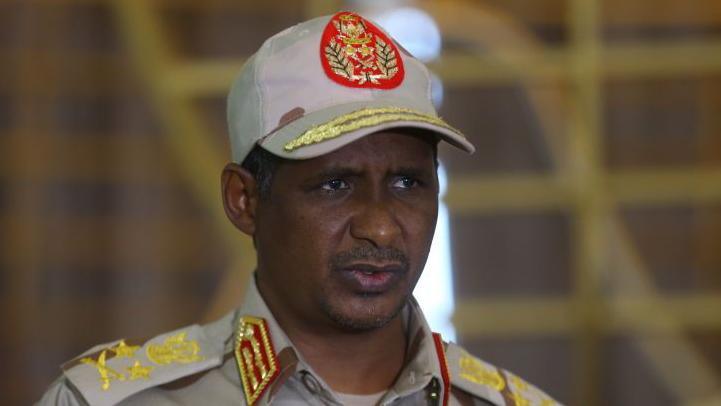
A Sudanese court, operating under the purview of the army in Port Sudan, has sentenced Mohamed Hamdan Dagalo – also known as Hemedti – to death in absentia for a series of war crimes, crimes against humanity and genocide linked to the rapid support forces’ operations in West Darfur.
The verdict, delivered in Port Sudan, also condemned 15 other senior RSF members, all of whom were given the same death sentence. The court found the defendants guilty of orchestrating large-scale attacks on civilians, extensive looting, and the destruction of schools, churches, and residential neighborhoods.
Key names in the conviction include Hemedti’s brother and deputy, Abdelrahim Hamdan Dagalo; another brother, Al‑Qoni Hamdan Dagalo; and the RSF’s West Darfur commander, Abdul Rahman Juma Barkallah. Despite the ruling, the RSF has yet to respond, and the group continues to maintain control over significant parts of western Sudan. Hemedti’s location remains unknown to the public, limiting the practical impact of the verdict.
Special Judge Mohamed Al‑Amin ordered the confiscation of all RSF assets and requested Interpol to issue Red Notices for all convicted members, signalling an international push for extradition.
International bodies, including the ICC and U.N. investigators, have provided “concrete evidence” linking RSF leaders to ethnic targeting of the Masalit population, an act deemed a war crime and part of an ethnic cleansing campaign. In May 2024, Human Rights Watch documented a campaign that killed thousands and displaced hundreds of thousands between April and November 2023 in and around el‑Geneina.
The civil war that erupted in April 2023 following a power struggle between army chief Gen. Abdel Fattah al‑Burhan and Hemedti has resulted in a devastating death toll of over 150,000 and an estimated 12 million displaced. Aid agencies report that around 28 million people in Sudan face acute hunger amid the ongoing conflict.
While the court’s conviction marks a historic judicial move, the RSF’s continued influence and the absence of key figures raise questions about the ruling’s enforcement and the broader path toward accountability in Sudan’s turbulent political landscape.