In brief
South Korean police stormed the national headquarters of Starbucks Korea following backlash over a promotional campaign dubbed “Tank Day,” which many accused of evoking the 1980 Gwangju Uprising. The campaign, launched in May, was swiftly withdrawn after civic groups filed a criminal complaint alleging defamation of the uprising’s victims. The company’s parent, Shinsegae Group, admitted the mistake as unintentional and announced an internal review, while senior staff—including the CEO—were dismissed. Starbucks stores were closed for half a day in June to allow staff to attend history lessons, and the incident has become a potent symbol in the ongoing political drama surrounding the Korean presidency.
Police raid Starbucks Korea headquarters over “Tank Day” fiasco
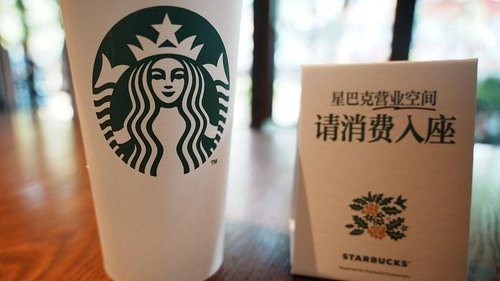
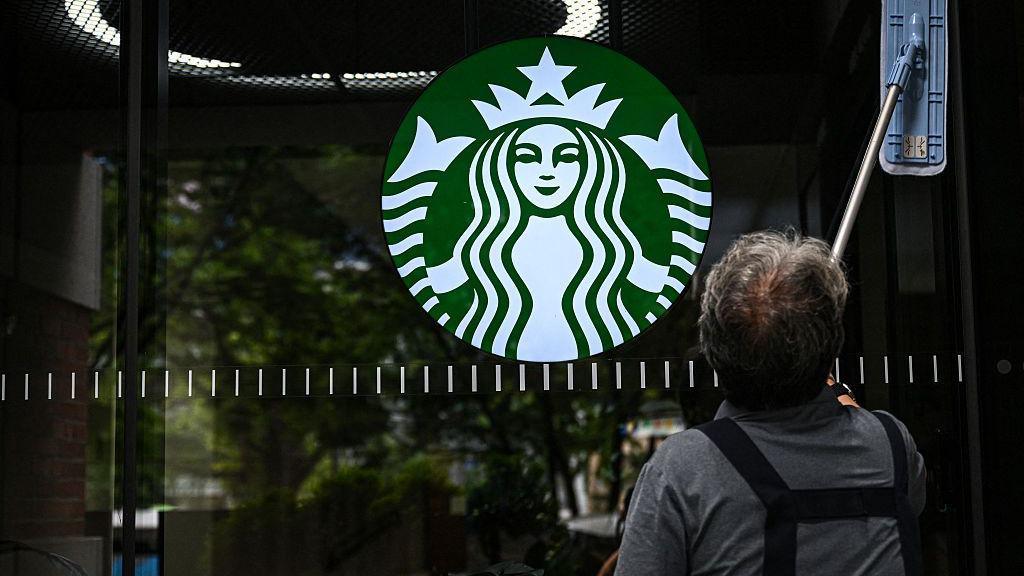
South Korean police descended on the national headquarters of Starbucks Korea on Tuesday after a wave of public outrage over a promotion that many said evoked the 1980 Gwangju Uprising.
The promotion, launched in May, offered a coffee tumbler named “Tank Day” on the anniversary of the uprising, an event in which hundreds were killed by forces of then military dictator Chun Do‑hwan. Many interpreted the “tank” reference as an offensive nod to the tanks that crushed pro‑democracy protestors, sparking a nationwide boycott campaign.
Starbucks Korea quickly pulled the promotion, calling it an unintentional mistake. Civil‑society groups sued the company, demanding a criminal investigation for defamation of the uprising’s victims. The parent company, Shinsegae Group, admitted the error was unintentional and that the team responsible had not understood the historical context.
In June, after the controversy escalated, the company forced a half‑day closure at all stores across the country to allow staff to attend mandatory history lessons. The incident also led to the dismissal of Starbucks Korea’s chief executive.
The standoff has become a political flashpoint, with the opposition elevating Starbucks cups as a symbol of resistance against the current administration. President Lee Jae‑Myung condemned the campaign as an insult to the victims and the struggle of Gwangju residents.
Image source: AFP via Getty Images