In brief
Around 72,000 migrants crossed into Ceuta in a 24‑hour window, prompting a European Union meeting. Spain’s Interior Minister Fernando Grande‑Marlaska led a rapid response that repatriated roughly 70,000 individuals and moved aid into the enclave. In contrast to Italy’s criticism and temporary Schengen suspension, EU leaders reiterated solidarity and called for stronger border security. The incident highlights the complex interplay between humanitarian aid, migration policy, and internal EU politics.
A surge of 72,000 migrants prompts rapid action and mixed EU reactions
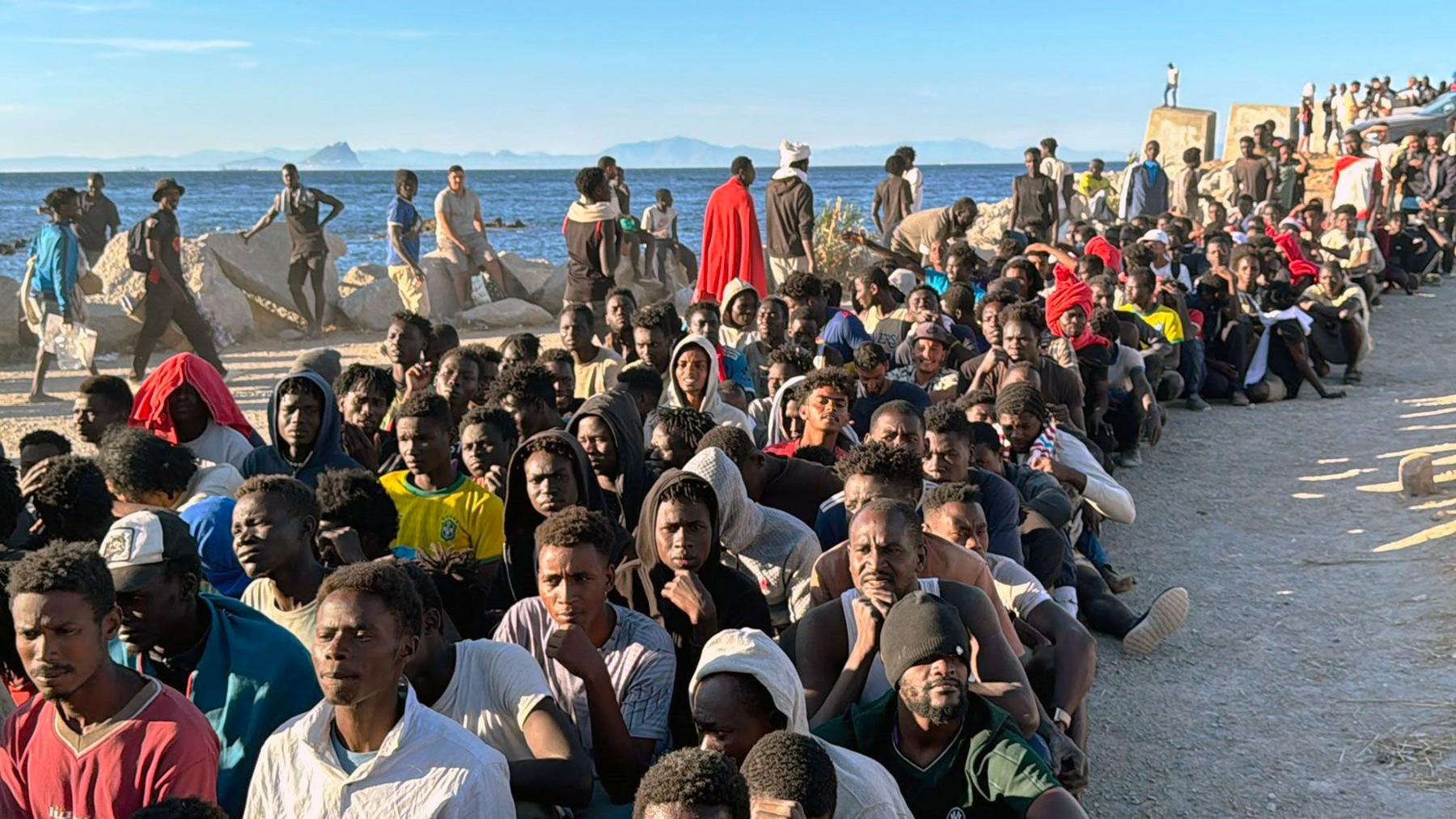
The European Union has praised Spain’s “swift response” to a sudden migrant crisis in the Spanish enclave of Ceuta, following a meeting of the bloc’s interior ministers on Tuesday.
Between 30 and 31 July, around 72,000 migrants crossed into Ceuta from Morocco. Spain’s Interior Minister Fernando Grande‑Marlaska said that “an estimated 70,000 have since been returned to Morocco.”
Swedish: Less than 80 people lost their lives on the Spanish side of the border, while 11 died in Morocco.
The EU meeting was prompted after Italy slammed images from Ceuta as “shocking” and temporarily suspended its Schengen‑zone agreement with Spain. Irish Justice Minister Jim O’Callaghan led the meeting, emphasizing that “migration requires a united European response.”
While the EU expressed solidarity, Italy’s Prime Minister Giorgia Meloni called the surge an uncontrolled security threat. The Schengen setback only affected flights, effectively adding extra security checks for passengers.
Other EU members, including Finland, Denmark and the Czech Republic, voiced support for Spain. The Czech Prime Minister urged a temporary suspension of Spain’s Schengen status, while Denmark’s immigration minister praised Spain’s handling and highlighted the need for firm border control.
Spain’s Prime Minister Pedro Sánchez accused some European governments of attacking Spain based on “prejudice, fake news, ignorance, or political interest.” In reply, Spain said the crisis did not compromise the Schengen zone and called for a quick lifting of any additional controls.
EU Commissioner Magnus Brunner described the incident as a “test” of European resilience and border security, noting that the EU had successfully passed it.
The EU offered emergency financial aid to strengthen Spain’s borders and manage the crisis. The surge was reportedly fueled by criminal networks and social‑media disinformation.
Clinical: Some migrants received aid but remain uncertain about their future status in Spain. The Spanish interior ministry is cooperating closely with Morocco to prevent further violations. The crisis raises concerns about the treatment of unaccompanied minors, with some 800 children reported in facilities around the city.