In brief
The Republican-majority Georgia House has approved a bill requiring nonpartisan elections for local offices in five populous counties around Atlanta, responding to Democratic electoral successes. Critics fear this move is a tactical effort to bolster Republican candidates by removing party identification in elections, particularly targeting areas seen as Democratic strongholds such as Fulton County.
ATLANTA (AP) — Republicans in the Georgia legislature have embraced a new strategy amid the party's declining fortunes in metropolitan Atlanta. They have advanced a bill mandating nonpartisan elections for local offices in the five most populous counties in the area, a significant shift aimed at countering electoral victories by Democrats.
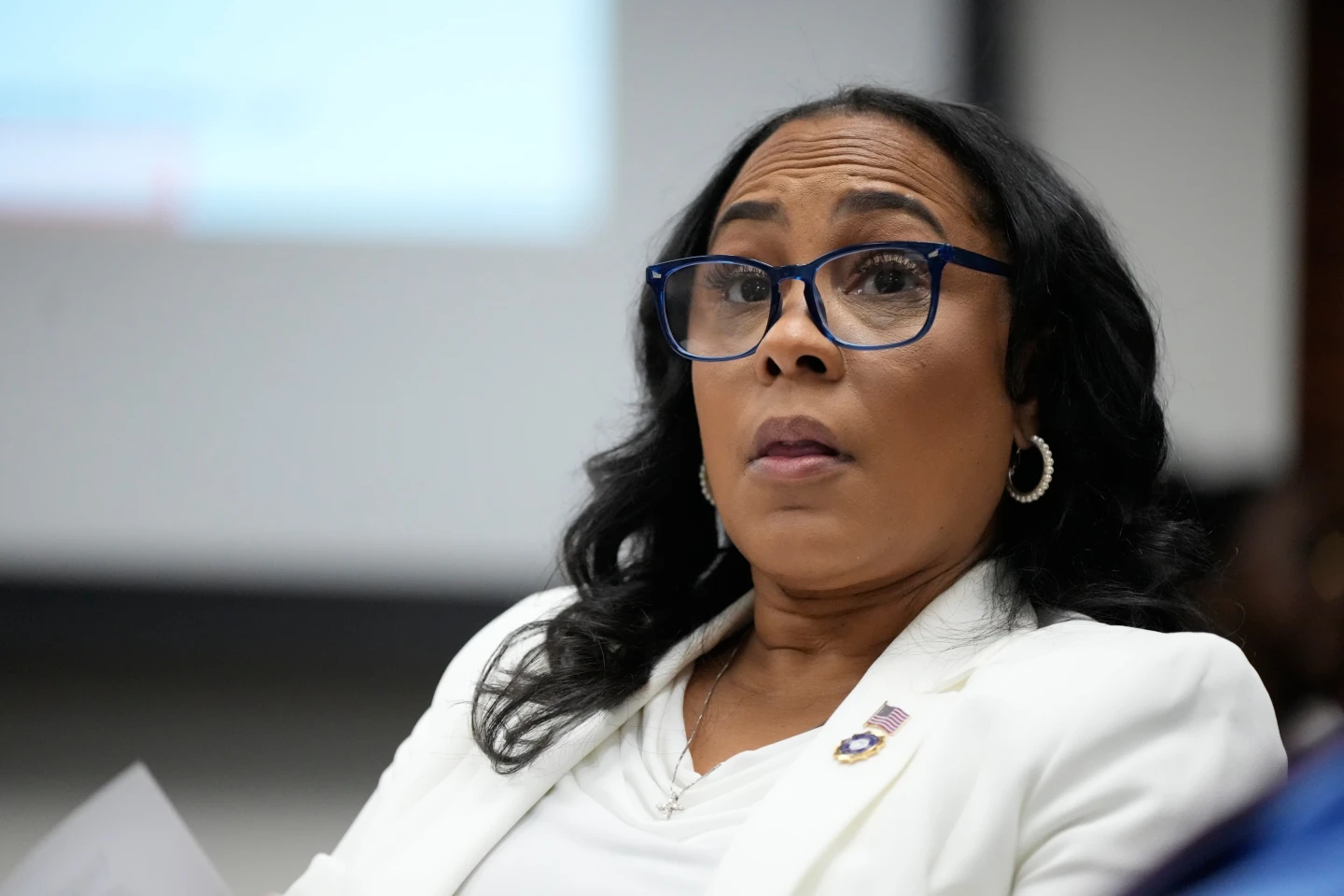
The legislation, passed by the Republican-controlled Georgia House on Friday, is designed to apply to various officials, including district attorneys and county commissioners. A notable target of the law appears to be Fulton County District Attorney Fani Willis, whose recent legal actions against prominent Republicans have made her a contentious figure.
State Sen. John Albers, the bill's proponent, argues that this change is essential for enhancing public safety and reducing partisanship, claiming that current political dynamics hinder effective governance. If you're playing politics, you'll be against this. If you want to keep Georgians safe, you'll be for it, Albers stated during debates.
Democrats, however, quickly condemned the bill, accusing Republicans of attempting to manipulate electoral conditions to regain control in areas that have increasingly leaned Democratic since 2016. State Rep. Gabriel Sanchez characterized the proposal as an effort to 'hide behind a nonpartisan badge' to better compete.
The reaction from the Republican camp was mixed, with some openly acknowledging the implications of the legislation on political competition within the region. Representatives highlighted the law's intent to address what they describe as district attorneys prioritizing partisan politics over law enforcement.
The bill is seen as part of a broader trend where Republicans are attempting to recalibrate their strategies in response to shifting demographics and voting patterns. This includes changing their approach to local elections to boost their electoral prospects in traditionally Democratic strongholds.
The law, which is set to take effect in 2028, would provide a platform for local candidates to run without party affiliation, thereby altering the dynamics of regional elections in a state that has seen increased Democratic engagement.
As Republicans continue to face challenges in battling Democratic electoral dominance in the Atlanta area, the outcome of this bill could significantly reshape Georgia's political landscape in the years to come.