In brief
In Gaza, families like that of Amina Abu al‑Kas wait for months for surgical treatment abroad as a complex security and logistics system stalls the transfer of patients. While 300 Palestinians have already died waiting, the WHO reports more than 15,000 still on the list. Gaza hospitals are battling medicine shortages, power outages, and the inability to replace critical equipment, while the Israeli authorities restrict crossings to a few days a week. Patients are increasingly turning to private agents to speed processes, only to risk fraud or be denied altogether. The dire situation underscores the urgent need for a streamlined, secure evacuation pathway to preserve countless lives.
The Gaza Strip’s tumult is not just about artillery – it is about life‑saving emergency care and the days spent waiting for a chance to cross into safety.
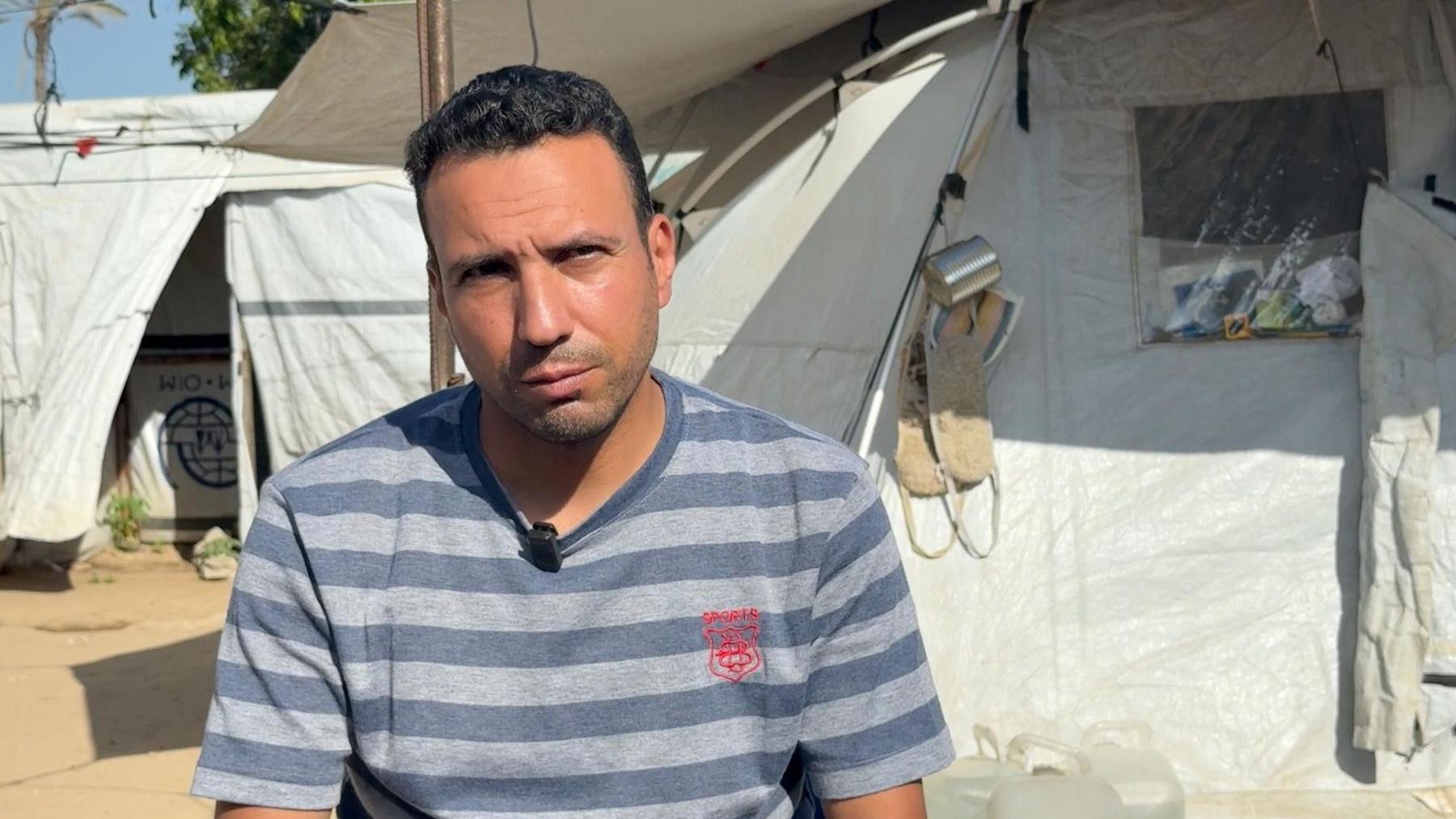
Amina Abu al‑Kas, whose life was gnawed by a necrotising infection that had spread to her skull, was granted permission by Gaza’s medical board to leave for treatment abroad. But her family’s hopes were kept in limbo; she died on 29 May after months of uncertainty. Her son, Saber, recalls the sleepless nights as his mother’s pain took over, and the thin promise of a call that never came until two weeks post‑death.
Since the UN‑brokered cease‑fire in October, 300 Palestinians have died while waiting for evacuation, while the World Health Organization notes 1,977 people have successfully left Gaza for treatment elsewhere. More than 15,000 patients still await clearance – a figure that rolls upward as conditions worsen.
Israeli security protocols and crossing schedules compound the problem: Rafah to Egypt is open only three days a week, and the Kerem Shalom crossing to Israel only once a week. Each patient and companion must gain clearance from Israeli, host nation, and transit authorities – a multi‑layered bottleneck that can turn treatment‑critical time into danger.
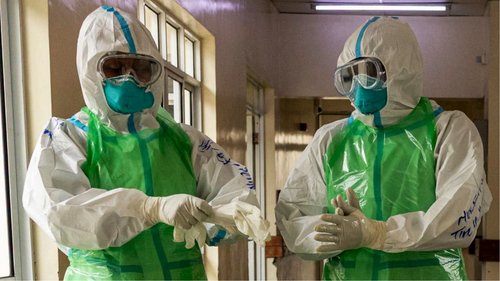
Inside Gaza hospitals, shortages are crippling care. The International Committee of the Red Cross reports that vital consumables – from gauze to chemo drugs – are rationed, while power supply is unstable, forcing surgeries to be cancelled. The ministry of health says Israel has allowed fuel for generators but denies entry of spare parts, new generators, or critical medical equipment.
In desperation, some patients have turned to private “agents,” paying thousands of pounds for alleged fast‑track services – only to face warnings from the WHO’s website that such offers are fraudulent.
Saber, now a grieving father, says the call he received two weeks after his mother’s death – that her paperwork was ready – “was a cruel reminder that a process can close on you while you are still waiting.” His remarks echo the collective frustration of families experiencing “miracle‑like” moments that are rarely achieved.
The delay crisis underlines a broader humanitarian neglect: without guaranteed, secure access to essential medical services, Gaza’s patients continue to face preventable deaths. The international community must address the intricate security matrix and supply shortages that keep desperate lives from moving beyond the Scarred Strip.