In brief
French health authorities confirmed the first human case of the Shamonda virus (Shav) in a severely immunocompromised patient who died in early October. The virus, normally affecting cattle and spread by midges, had not been known to infect humans before this incident. Investigations suggest a midge bite in eastern France led to the infection, which caused neurological complications. The European Centre for Disease Prevention and Control (ECDC) is monitoring the situation and collaborating with partners to assess public‑health implications. The World Health Organization has been notified, and authorities emphasize that there is currently no risk to the general population.
France reports the first human case of the Shamonda virus, a disease that mainly affects cattle and is spread by biting midges.
The patient, who was severely immunocompromised, died in early October, authorities said, stressing that the infection poses no current risk to the general public.
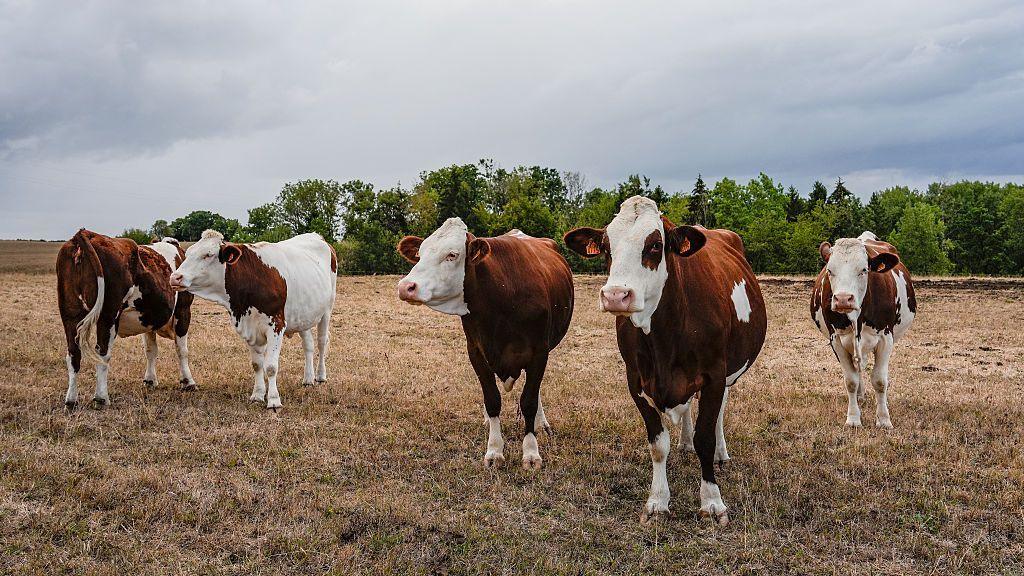
Shamonda virus, known as Shav, is transmitted by infected midges and has been found in cattle, sheep, goats, alpacas and horses; human cases had never been reported before.
The European Centre for Disease Prevention and Control (ECDC) said it was monitoring the situation and working with French and European partners to investigate how the virus reached a human host.
Investigations point to a midge bite in eastern France as the source. The patient was receiving treatment for a serious illness at a Lyon hospital when neurological complications emerged.
Officials noted that the virus was previously considered non‑transmissible to humans, despite decades of circulation in Africa and Asia. Lactating herds affected by the virus can suffer fever, diarrhoea and reduced milk production.
The ECDC remains in contact with the World Health Organization and monitors potential public‑health implications. The first cases of the virus in Europe were identified in late July, with subsequent detections in animal farms across Ireland, Germany, Italy, Spain and Jersey.
Even though the patient's death marks a rare human case, authorities emphasise that the risk to the general population is currently minimal and call for continued vigilance among livestock units throughout the region.