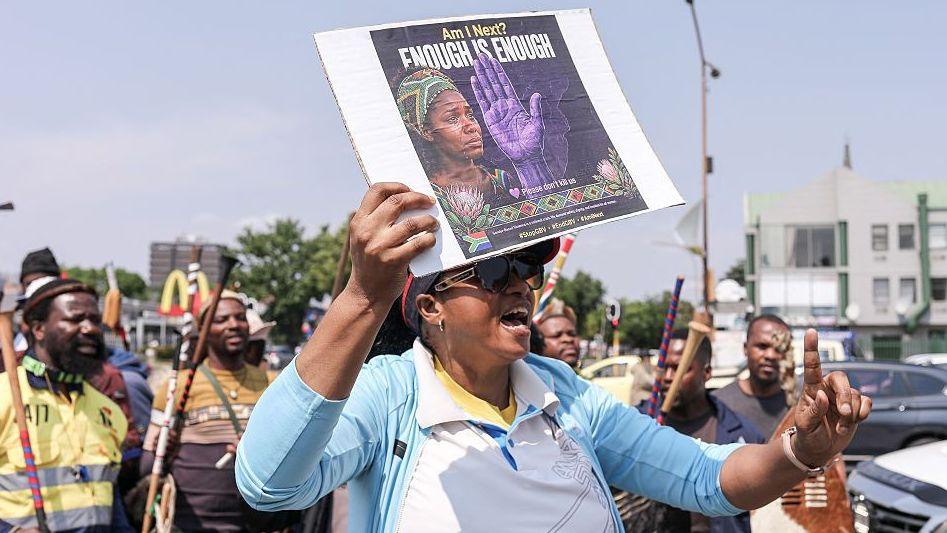
In the narrow streets of Johannesburg’s Organic Market, men gather in a dusty tavern to confront a crisis that has rocked South Africa: rampant violence against women.
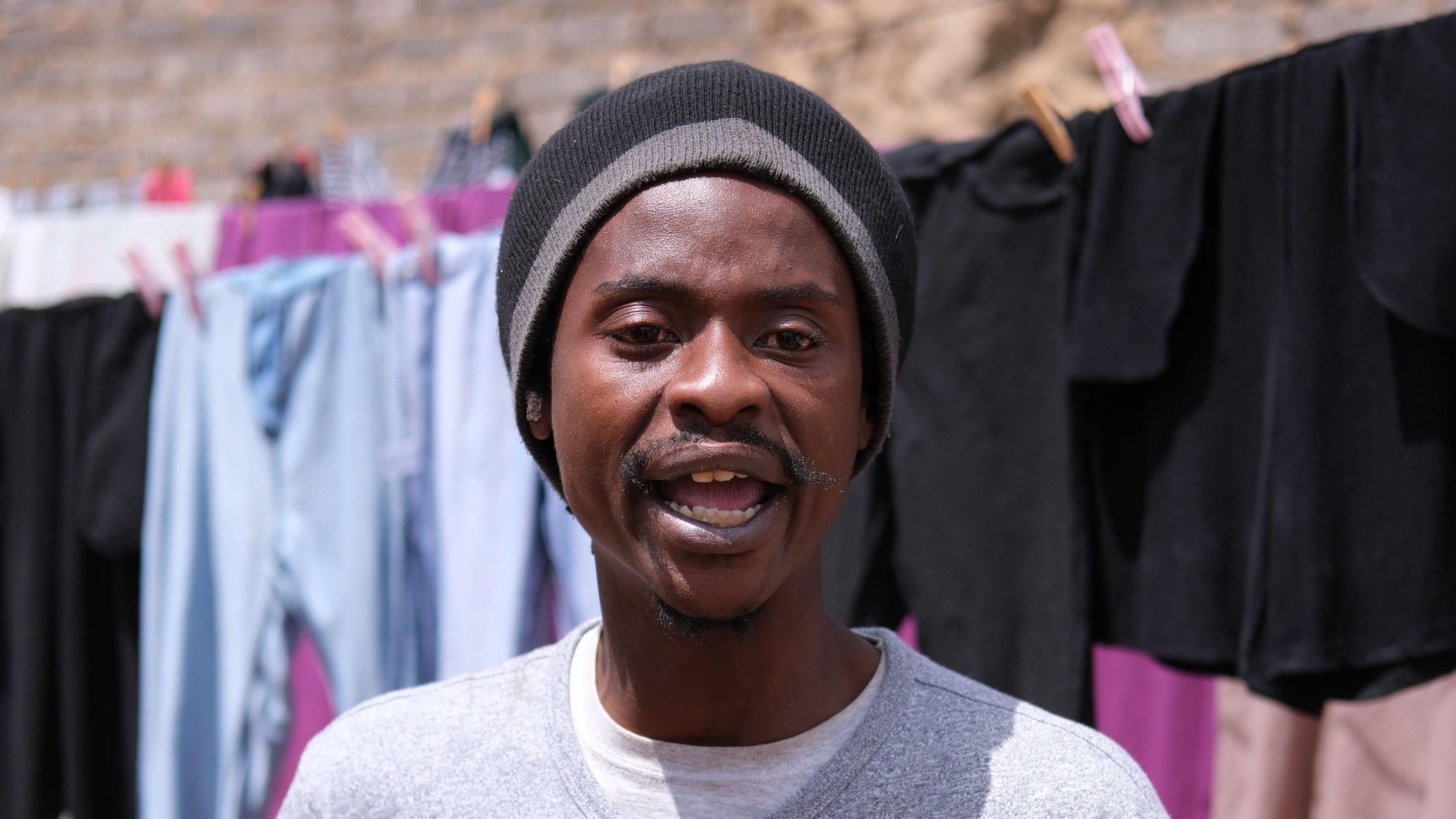
Kgomotso Mathekga, 30, opens by admitting he has slapped his girlfriend after a drunken argument, a confession that echoes the grim reality of intimate‑partner violence that affects over a third of South African women. “I once had an argument with my girlfriend, and I grabbed and slapped her,” he said, his voice low but earnest.
Around him, his fellow men sit in a circle, hands clasped, listening as Bra Steve—lead organiser of Father A Nation—raises his fist and proclaims, “We are men! We must stand together to fight gender‑based violence.”
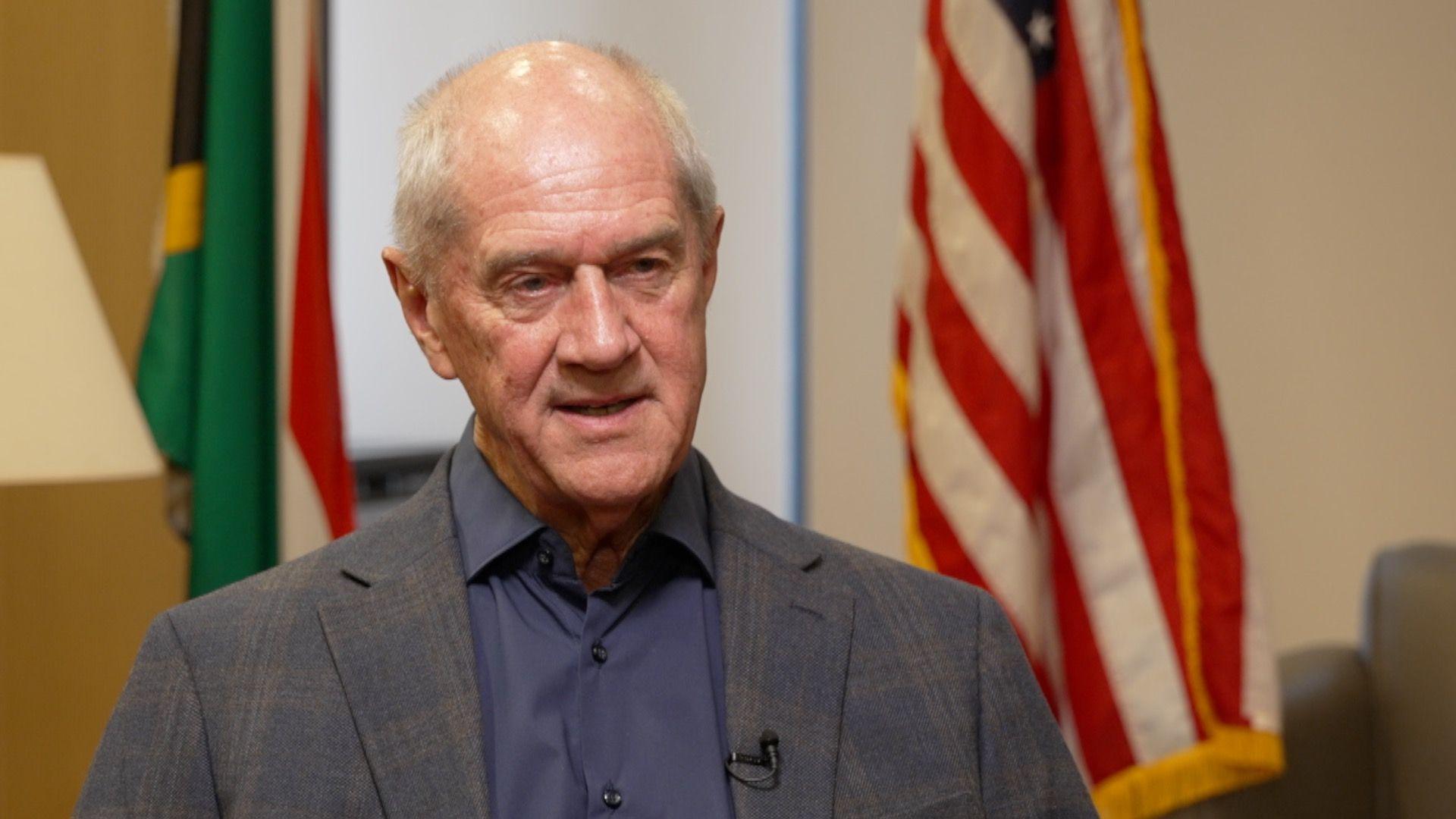
Father A Nation, a non‑profit founded in 2015, runs outreach in over a hundred communities, focusing on ‘positive masculinity’ and offering training to boys and men. “We get men to talk, to process their feelings,” founder Craig Wilkinson explains, hoping that honesty will pave the way for safer women.
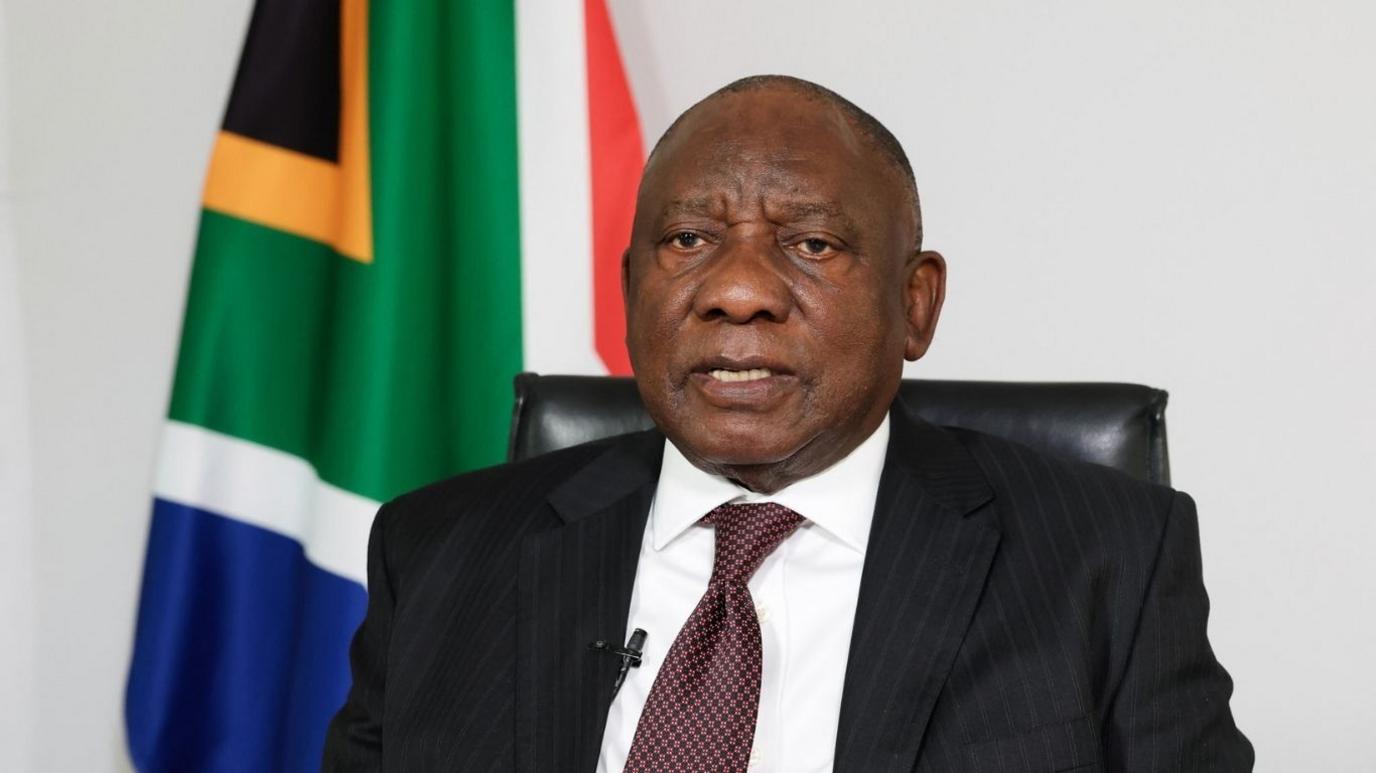
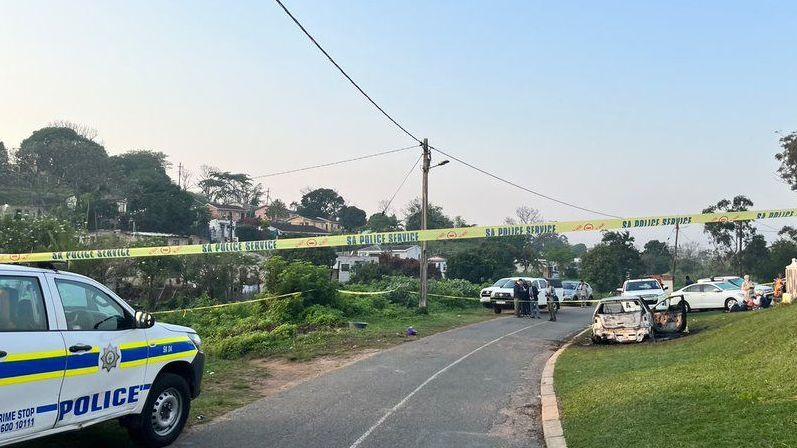
The urgency of these conversations is sharpened by the discovery of 12 women’s bodies in Ekurhuleni over a span of three months, a death toll that has reignited calls for action. President Cyril Ramaphosa recently announced measures—better street lighting and a review of unsolved cases—but activists say such policies are too little, too late.
For Kgomotso and his peers, the movement is an act of defiance and hope. “Our fathers and uncles are in prison. We must now become role models and help make this country better,” he declares, forging a path for future generations.
In the days that follow, local women like Providence Maseko, who now relies on e‑hailing taxis for safety, join the conversation, underscoring that change must ripple through every layer of society. Together, these voices press a single message: every man must play a part in ending violence against women.