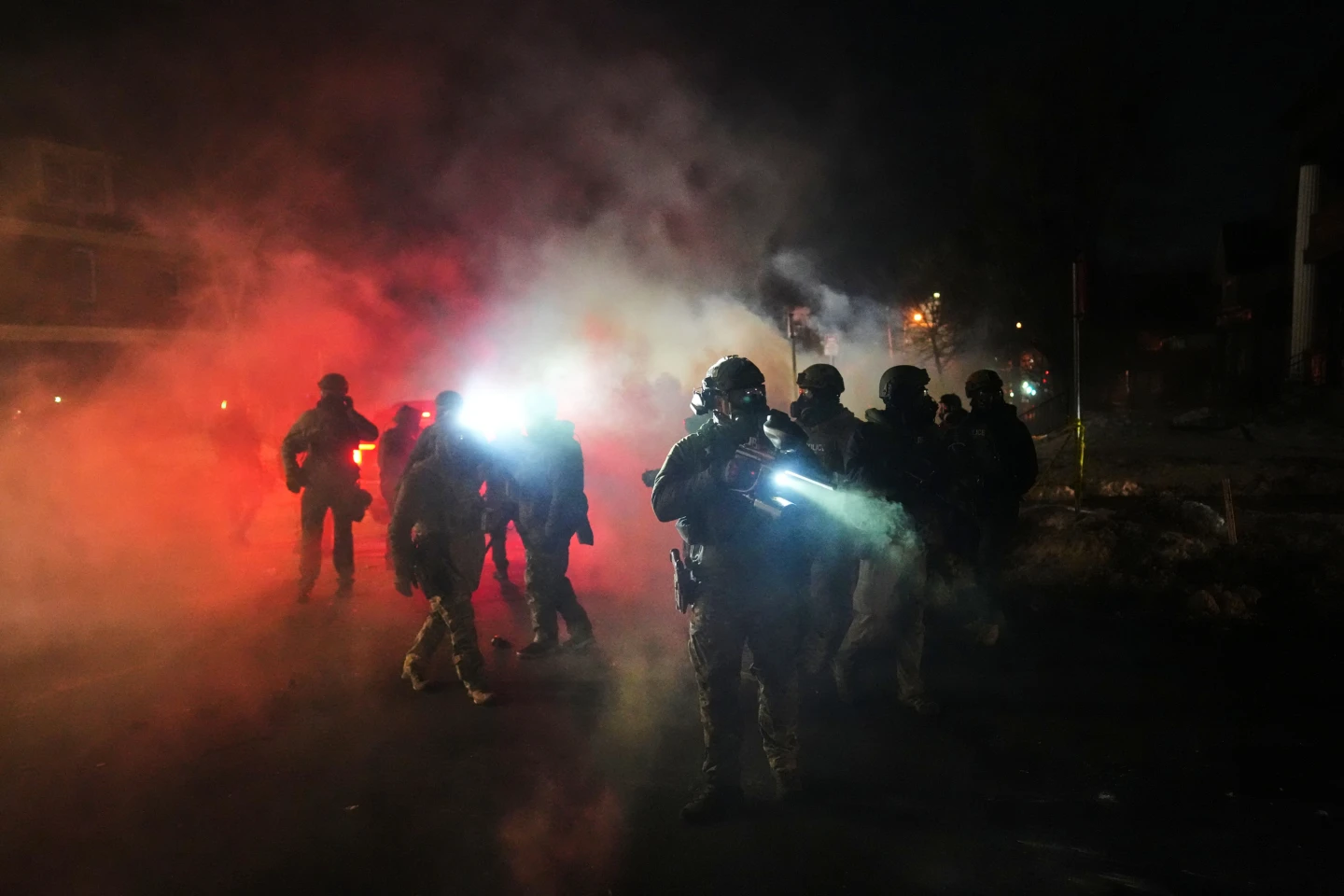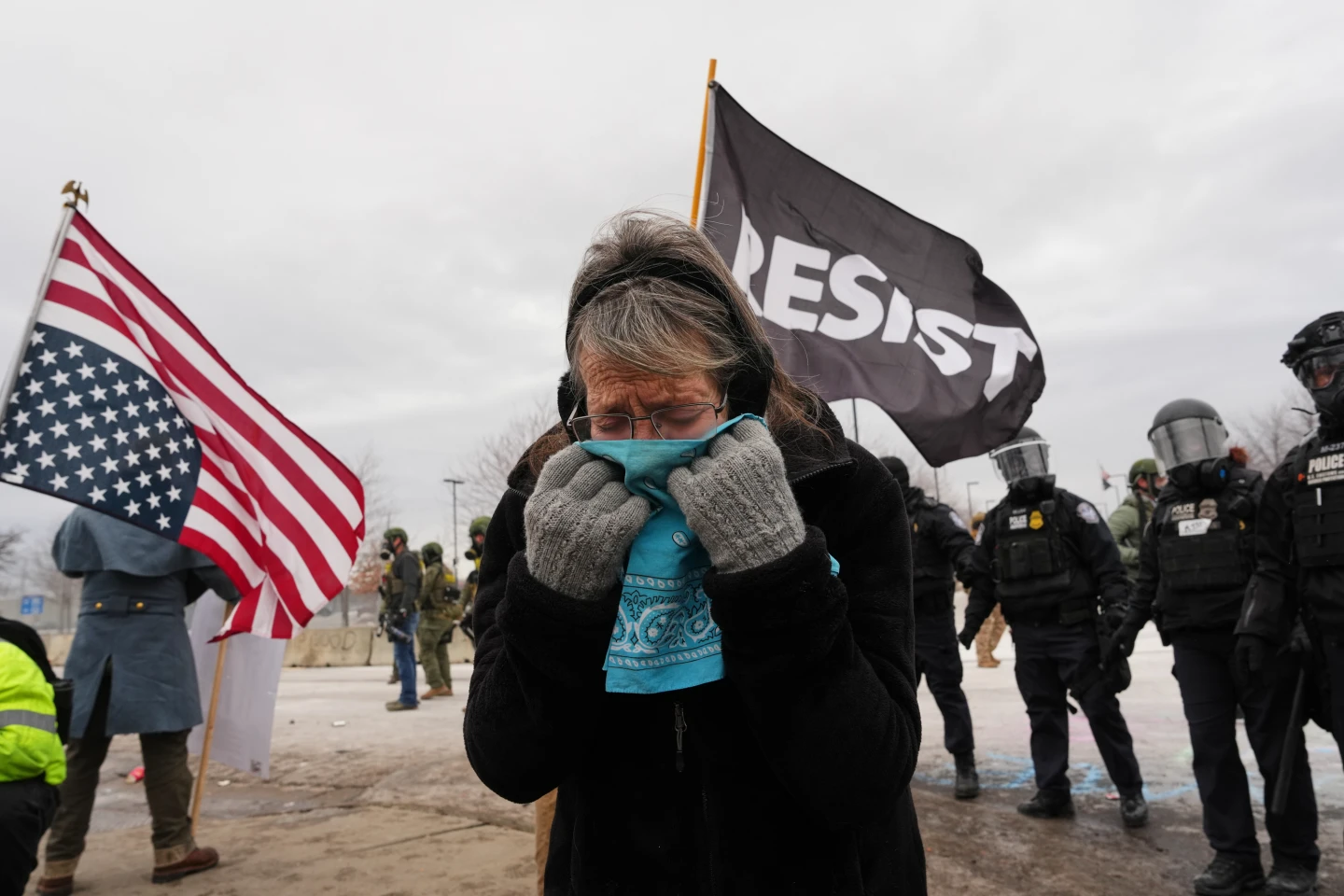
In Minneapolis, federal immigration agents have adopted aggressive crowd-control tactics during ongoing protests, including pointing rifles at demonstrators and dispersing chemical irritants, actions deemed essential by officials for the protection of agents. However, legal and law enforcement experts caution that these aggressive measures escalate risks and are being applied by agents lacking extensive crowd management training.
Reports and video evidence reveal incidents where federal agents have smashed vehicle windows and used chemical agents such as pepper spray in confrontations with protesters, which experts argue is particularly dangerous in a crowd setting.
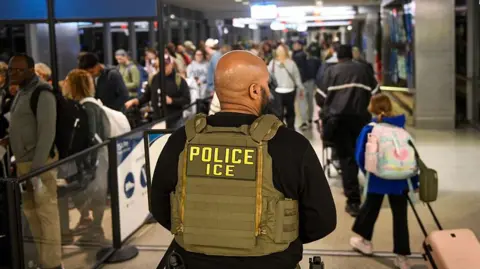
This development follows a considerable immigration crackdown initiated by the Trump administration, funneling over 2,000 officers into the Minneapolis-St. Paul region. Many of these officers typically handle arrests, deportations, and criminal investigations rather than managing public demonstrations.
The situation in Minneapolis marks a concerning trend in federal authority where immigration agents and investigators take on roles historically assigned to local law enforcement, contrary to established de-escalation protocols. This shift has raised alarms about the potential for violent clashes as tensions rise.
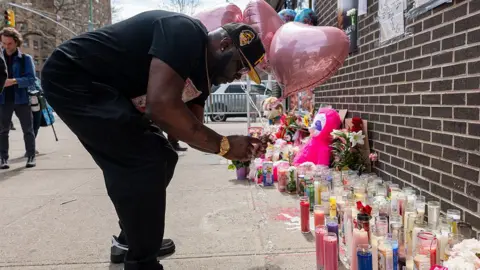
The fatal shooting of 37-year-old Renee Good by an immigration agent, who claimed self-defense, has intensified protests and drawn sharp criticism regarding the federal government's response.
In light of escalating confrontations, the American Civil Liberties Union of Minnesota sought a federal injunction limiting the actions of federal agents during protests, urging restriction on the use of chemical agents and limitations on firearms pointed at unthreatening individuals.
Experts express concern that traditional training for immigration officers does not adequately prepare them for civil unrest scenarios, particularly as they navigate complicated interactions with demonstrators. The call for thorough reassessment of federal tactics comes amid a broader debate about appropriate crowd management and accountability in law enforcement practices.
Ultimately, experts advocate for written policies and regular training updates to ensure federal officers are equipped with the necessary skills to handle dynamic protest environments, emphasizing the vital need for community-based policing approaches that foster trust and communication.