In brief
Close to a thousand households displaced by the Maui wildfires are in limbo as they await a decision from FEMA regarding the continuation of housing assistance. As federal support faces expiry, advocates warn of a looming eviction crisis amid one of the most expensive rental markets in the nation. With limited housing options available and exponential rent increases, the situation is dire for survivors who seek to rebuild their lives in the devastated community of Lahaina.
Nearly 1,000 households displaced by catastrophic wildfires in Maui are anxiously awaiting word on whether federal assistance helping them stay housed will be left to expire, forcing them to find new housing or pay more for it in one of the tightest and most expensive rental environments in the country.
For two and a half years, the Federal Emergency Management Agency (FEMA) has been critical in providing assistance to affected residents. However, with a decision expected soon regarding the future of funding, concerns are mounting over a potential lack of support amidst a broader push from the Trump administration to limit FEMA’s role in disaster response and shift responsibilities to states.
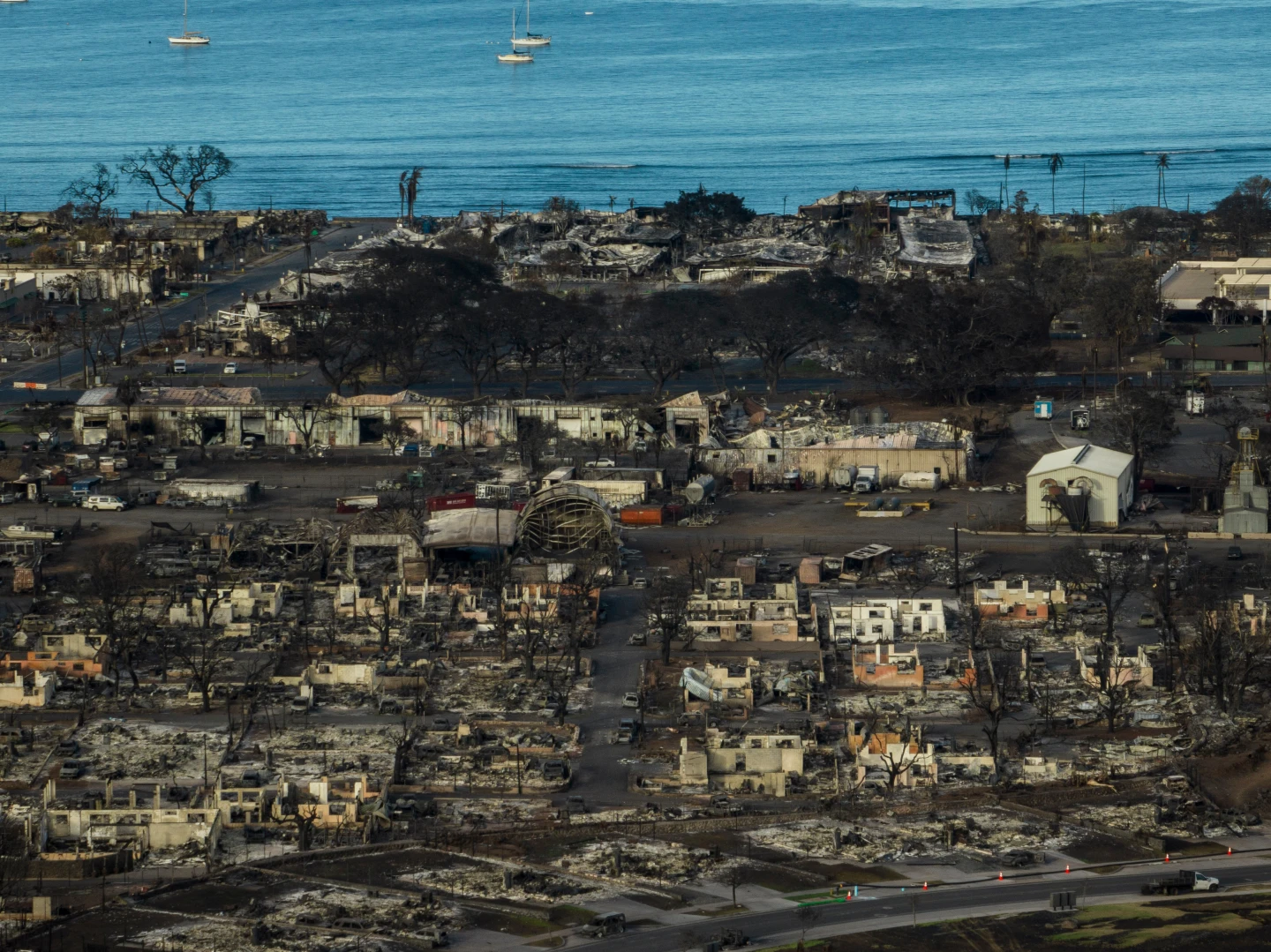
Community advocates have expressed fears that cutting financial aid and evicting renters could exacerbate the recovery efforts in Lahaina, a town devastated by fires on August 8, 2023, resulting in homelessness and further exodus from the island.
“The prospect of hundreds of families entering our already stressed rental market in February is alarming,” said Nicole Huguenin, executive director of Maui Rapid Response.
In the wake of the disasters, significant loss was documented, with over 2,200 structures destroyed and 102 lives lost. A declaration of major disaster by President Joe Biden enabled FEMA assistance to approximately 12,000 displaced individuals, predominantly renters. Although the 18-month program was initially extended to February 2026, many in Maui's housing landscape remain uncertain regarding their futures.
As local and state authorities work toward securing another extension, the looming expiration of assistance threatens housing stability with less than 2% rental vacancy rate across Maui, leading to steep increases in rental costs since the fires.
Looking ahead, discussions have included contingency plans for housing needs should FEMA assistance cease, including the potential takeover of modular housing units by the county.
With rebuilding efforts slowly gaining traction, the recovery is still hampered by ongoing challenges in housing supply, making immediate action essential for the survival of these families.