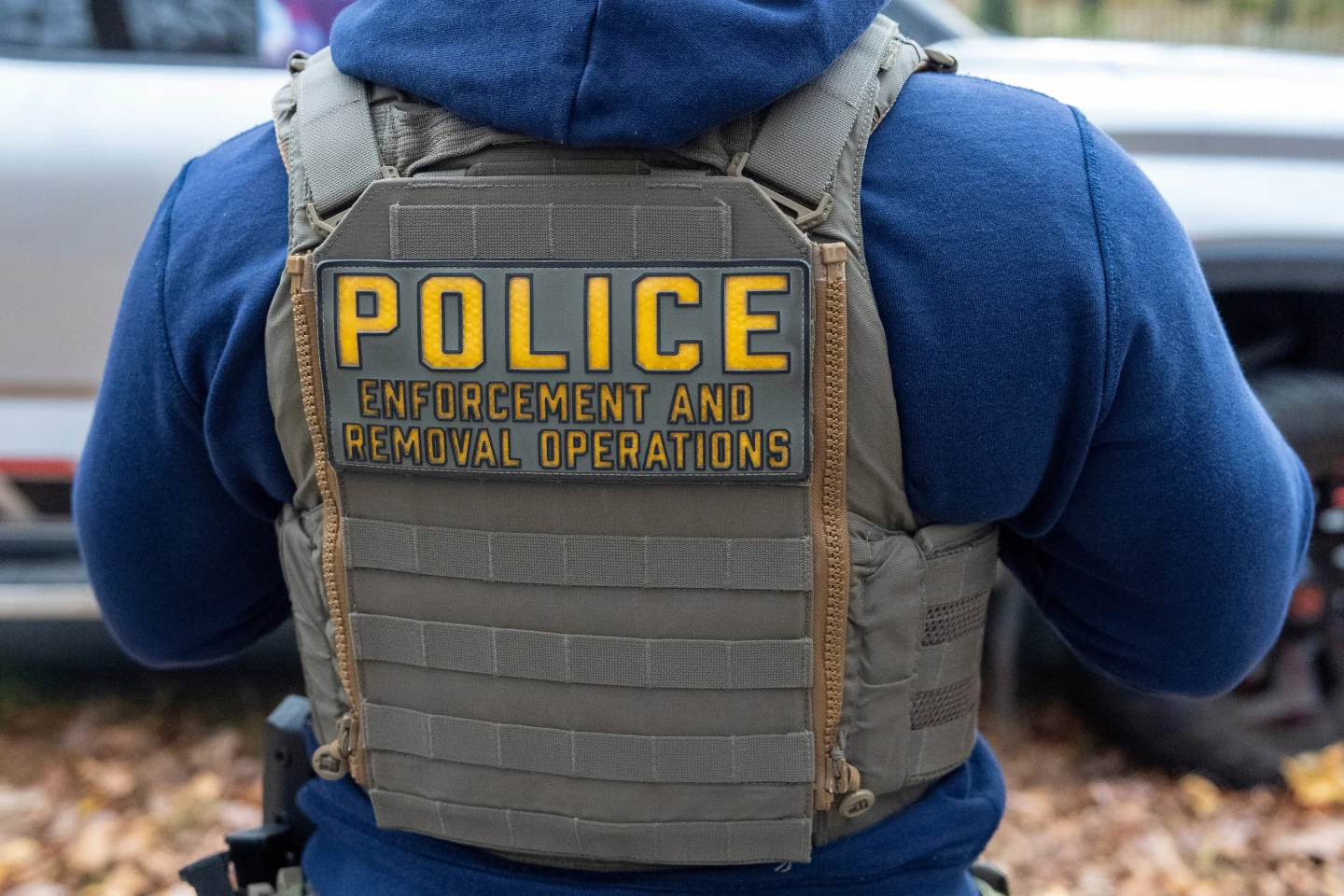
MINNEAPOLIS (AP) — The controversial arrest of Garrison Gibson, a 37-year-old Liberian man, by heavily armed immigration agents in Minneapolis has drawn significant public attention and raised serious legal and ethical questions regarding the operation. Gibson, who had been regularly checking in with immigration authorities for years, was apprehended during an extensive crackdown described by the Department of Homeland Security as its largest enforcement operation to date.
According to Gibson's attorney, Marc Prokosch, the agents involved in the arrest did not possess a proper warrant, constituting a blatant constitutional violation. He emphasized that only an administrative warrant was presented, which does not authorize forced entry into private residences.
Gibson's arrest follows a violent week in the city, during which a 37-year-old immigration agent shot and killed Renee Good during a traffic stop, igniting a wave of indignation and protests from community members and activists. Prokosch argued that if Gibson had been deemed a dangerous individual, there would be no justification for allowing him to maintain his regular check-ins.
While Gibson had a prior drug conviction from 2008, which was dismissed, Prokosch highlighted that his client had been living legally under an order of supervision, necessitating regular meetings with immigration officials. Just days before his arrest, Gibson had checked in with the authorities again. Following his arrest, Gibson was quickly moved to a detention center, raising further concerns about the treatment of detainees.
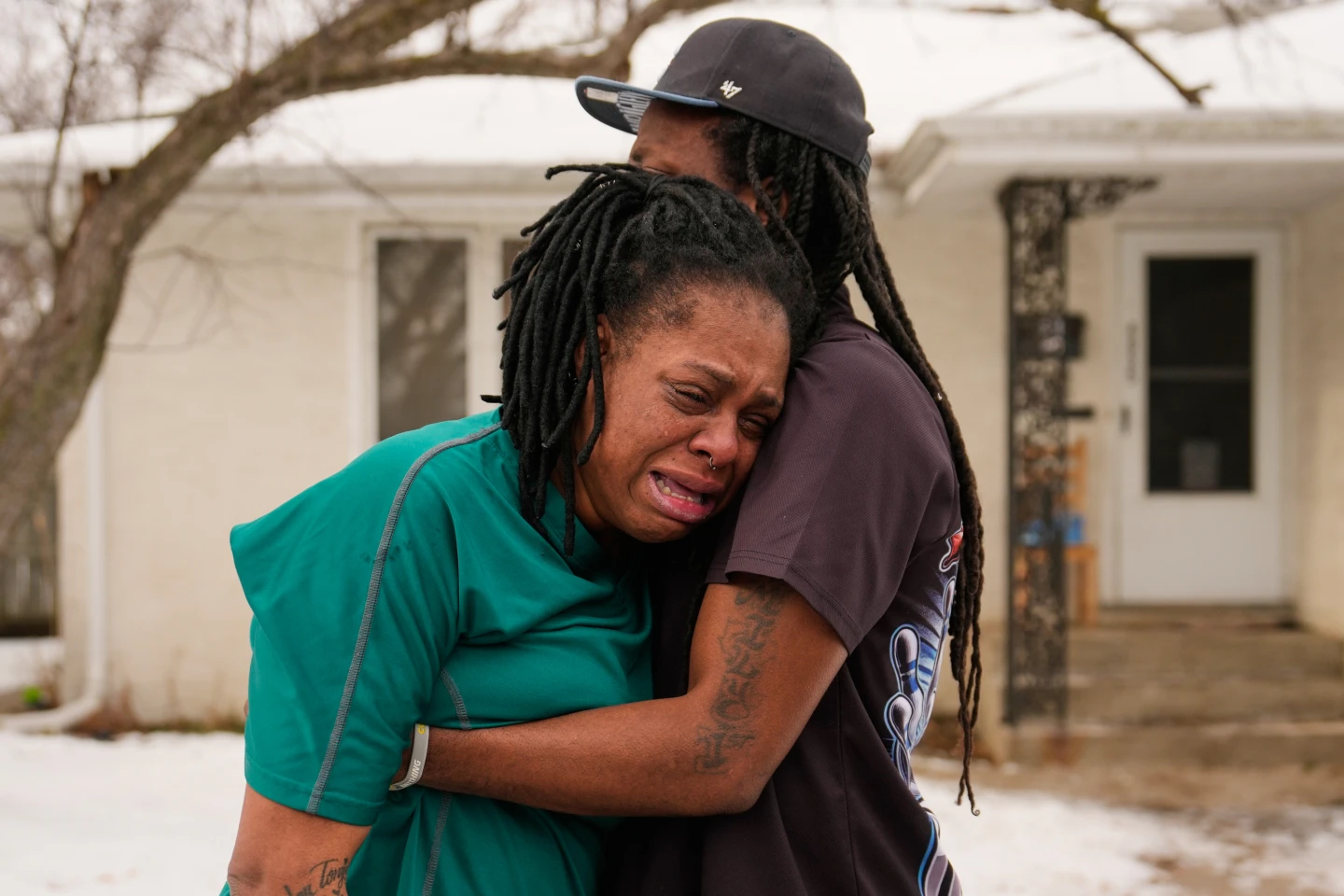
The Minneapolis community has been actively protesting against what they perceive as increasingly aggressive tactics by enforcement agencies. Activists disrupted the arrest with noise and demonstrations, only to face pushback from law enforcement, which included pepper spray and physical clashes.
Despite the outcry against the methods used by immigration authorities, a spokesperson for the Department of Homeland Security defended the operation, referencing Gibson's alleged criminal history, which includes charges such as robbery and drug possession. However, Prokosch disputed the severity of his client's legal history, pointing out that it largely comprises minor offenses and traffic violations.
With more than 2,000 immigration arrests documented in Minnesota since the enforcement operation commenced in early December, community leaders and officials are demanding transparency and accountability in light of recent violence and arrests. As demonstrations continue, the local government scrutinizes federal practices, pressing for justice in the face of perceived injustices.