In brief
The Rev. Sarah Trone Garriott, alongside other clergy Democrats in Iowa, is reshaping political discourse by integrating faith with progressive politics. Addressing issues like healthcare access and fostering inclusivity, these leaders are challenging the traditional association of Christianity with conservatism. As they campaign for higher office, they highlight the necessity of discussing faith openly and authentically within the Democratic Party.
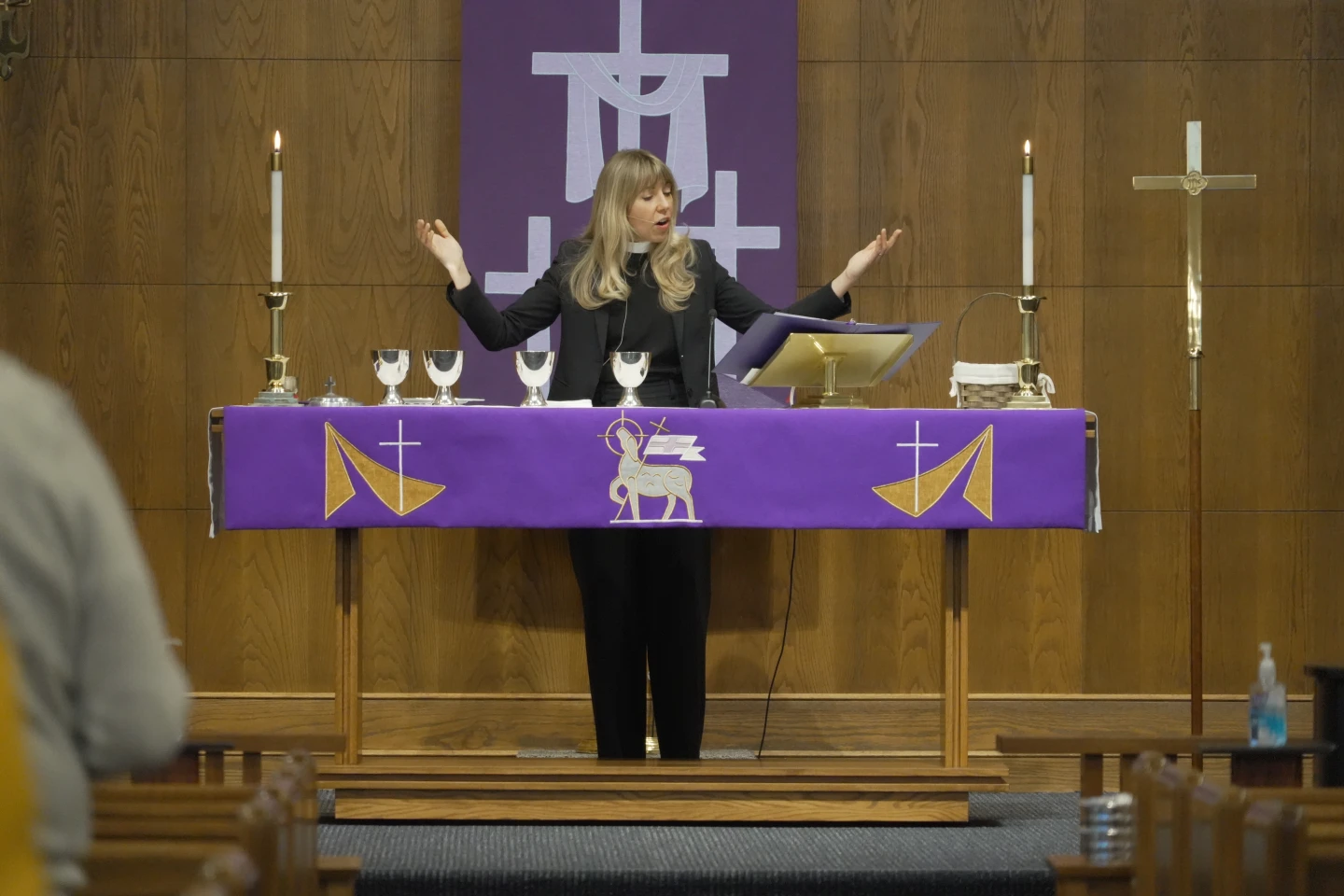
DES MOINES, Iowa (FlashPoint) — The Rev. Sarah Trone Garriott is not shy about discussing the intersections of faith, morality, and politics. Last Sunday, she delivered a heartfelt sermon at Grace Lutheran Church, urging her congregation to embrace inclusivity just as Jesus did. Just a day before, she was on the campaign trail in rural Iowa, advocating against cuts to Medicaid and the harmful implications on healthcare access.
Trone Garriott, a Lutheran pastor and state senator, is one of three clergy candidates running as Democrats for the U.S. House from Iowa. The political landscape is changing, particularly among white clergy, as many are now feeling compelled to take stands on social issues and run for office. This trend follows years of a predominantly conservative Christian voter base overwhelmingly supporting Republican figures.
“There's a renewed understanding that Christianity can be viewed beyond a conservative lens,” remarked Melissa Deckman, CEO of the Public Religion Research Institute, emphasizing the emergence of progressive clergy engaging in political matters.
The challenge for Democrats lies in how to articulate religious beliefs amidst a party that has more religious diversity. Many candidates strive to create a narrative that resonates with voters without alienating those of varying beliefs.
Embodying this spirit, Talarico, a Texas state representative who gained national notoriety through social media platforms, argues about the importance of faith in political discourse, stating, “If we have to force people to put up a poster, to me that means that we have a dead religion.” This perspective puts him at odds with critics who misconstrue religious tenets to support conservative agendas.
As Democratic leaders like Governor Andy Beshear stress the importance of authentic communication grounded in personal beliefs, it becomes clear that faith remains a pivotal, though often under-discussed, element in the political arena. With figures like Trone Garriott and Talarico leading the charge, the narrative around faith in politics is beginning to shift, inviting a dialogue that has been long overdue.
From Iowa to nationwide, a growing number of religious leaders are finding their voices in places where they previously felt marginalized. They challenge the landscape dominated by the religious right and aim to uplift a narrative that reflects a more inclusive and loving approach to governance.