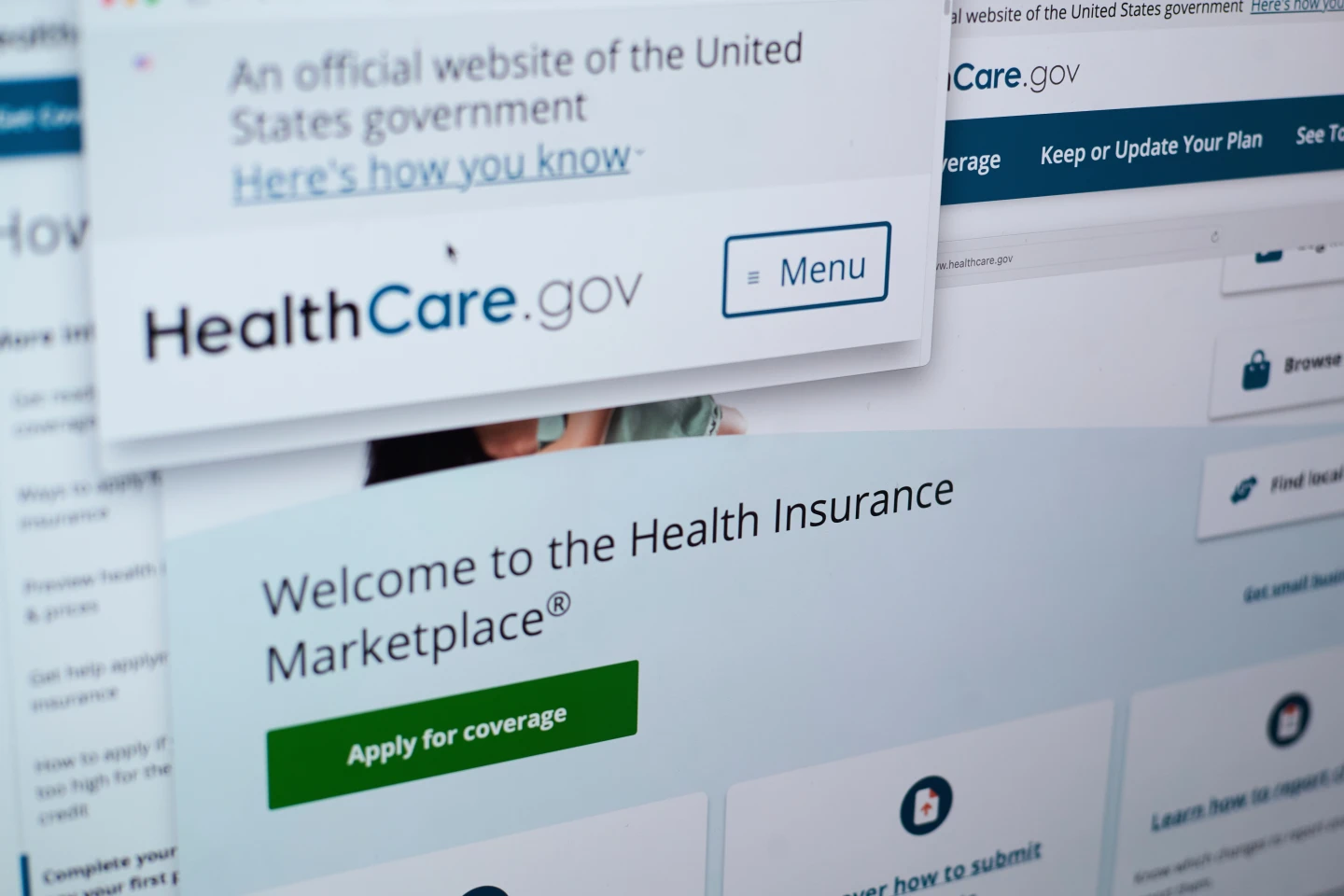
NEW YORK (AP) — Enhanced tax credits that have helped reduce the cost of health insurance for the vast majority of Affordable Care Act enrollees expired overnight, cementing higher health costs for millions of Americans at the start of the new year. Democrats forced a 43-day government shutdown over the issue. Moderate Republicans called for a solution to save their 2026 political aspirations, while former President Donald Trump floated a potential solution but retreated amid conservative backlash. In the end, no efforts were enough to save the subsidies before they expired.
The expiration affects a diverse group of Americans who obtain their health insurance through the ACA and do not qualify for Medicaid or Medicare, including self-employed individuals and small business owners. This occurrence comes as voters express rising concerns about health affordability in a high-stakes election year.
Families are grappling with insurance costs that are skyrocketing, with some premiums doubling or even tripling. The temporary subsidies introduced during the COVID-19 pandemic were first extended by Democrats, moving the expiration to 2026, yet the lack of action has left many feeling abandoned. For example, some lower-income enrollees previously enjoyed health care with no premiums. Now, average premium costs for over 20 million enrollees are projected to rise by 114% in 2026.
The changes will likely push many younger, healthier individuals to drop their coverage altogether, exacerbating program costs. An analysis suggests that approximately 4.8 million Americans may lose coverage as premium costs become prohibitive. As enrollment periods continue through mid-January, the impact of these changes remains uncertain.
Amid months of discussions tolling into the new year, lawmakers have yet to deliver viable solutions. With the final vote in the House for a potential three-year extension looming, many Americans urge action for broader reforms to create lasting health care affordability.
The expiration affects a diverse group of Americans who obtain their health insurance through the ACA and do not qualify for Medicaid or Medicare, including self-employed individuals and small business owners. This occurrence comes as voters express rising concerns about health affordability in a high-stakes election year.
Families are grappling with insurance costs that are skyrocketing, with some premiums doubling or even tripling. The temporary subsidies introduced during the COVID-19 pandemic were first extended by Democrats, moving the expiration to 2026, yet the lack of action has left many feeling abandoned. For example, some lower-income enrollees previously enjoyed health care with no premiums. Now, average premium costs for over 20 million enrollees are projected to rise by 114% in 2026.
The changes will likely push many younger, healthier individuals to drop their coverage altogether, exacerbating program costs. An analysis suggests that approximately 4.8 million Americans may lose coverage as premium costs become prohibitive. As enrollment periods continue through mid-January, the impact of these changes remains uncertain.
Amid months of discussions tolling into the new year, lawmakers have yet to deliver viable solutions. With the final vote in the House for a potential three-year extension looming, many Americans urge action for broader reforms to create lasting health care affordability.